

Aquarium Disease Prevention
Steps to a Health Aquarium & Sick Fish
Steps to a Health Aquarium & Sick Fish
Overview
Disease prevention is probably one of the most important aspects of keeping a healthy aquarium, although a generalized statement. Following the steps outlined in this article will not guarantee a disease-free aquarium, but the facts are your disease incidence will be markedly lower. In fact, my experience with the 1000s of aquariums under my care over the years was that by following ALL STEPS outlined here, longevity increased, many diseases such as Ich when introduced was rarely catastrophic, and some diseases or conditions, in particular Dropsy, had near zero incidence of occurrence!!!
Please read ALL the steps outlined later in this article.
I have kept up many aquariums (marine and freshwater) during my years of aquarium maintenance.
It was more of a challenge with clients than my personal aquariums because many of my customers overfed or did not tell me fish were sick until it was too late. However, with the majority of regular contract clients, I kept a record of most everything that went into and out of the aquarium (equipment, procedures, foods used, water changes, treatments, etc.). With a few clients, most notably the Bahooka Restaurant with over 100 large aquariums here alone, we had full control, meaning we even fed the fish since we were there 5-6 days per week!
So, over the years, I have experimented with many methods to lower disease incidence and increase fish longevity. Since I had many clients with dozens of aquariums under contract, which allowed me to utilize controlled tests to back up my observations in my literally 1000s of aquariums under my care over the years. This provided me a lot of data both observations based, and control test based which I humbly submit differentiates my work from those who make observations based one or two or at most maybe a dozen aquariums in a fish room (which also refutes the Ad Hominem attacks my work sometimes garners in a few small but vocal un-moderated social media fish keeping circles). I also regularly sought out advice of other professionals to further improve my results (which seems to be a lost art of late too based on my experience in attempting to reach out and help others).
Taking measures to lower the chances of fish becoming sick is the best remedy for avoiding illness-related issues. For instance, many common diseases such as Ich can be limited by good preventive measures, while many other diseases such as Dropsy, Columnaris, and Aeromonas are opportunistic and can often be avoided or sometimes even treated by improving all points cited in this article (or often at the very least make treatment more effective).
Now with 2021 USA bans on many antibiotics/antimicrobrials from the retail fish trade, following ALL points in this article are more important than ever (a few can be still found, but many now sold in bulk, in particular Chinese bulk Nitrofurazone, are of very poor quality and at best are much less effective and at worse are dangerous to your aquarium).
My experience and experiments have shown that the need for many of these products are reduced as much as 80-90% by simply following the points outlined in this article and even when treatments are needed, the weaker products are more likely to work. So please do not follow just a couple points, while ignoring other points in this article such as Redox or use of true UV Sterilization. As well, by cutting corners and ordering clearance product from Amazon such as Wonder Shells (instead of Authorized AAP Wonder Shells where stock is rotated out every month), you are likely getting product that is less fresh and thus losing important mineral Cations needed for improved Redox!
References:
• Ich Treatment, Prevention and Lifecycle- Salt and Freshwater
• Dropsy in Fish- Prevention and Possible Treatment
• Treatment, Identification, & Prevention of the Bacterium Columnaris & Fungal Infections
• Prevention and treatment of Aeromonas, Vibrio, Septicemia
These diseases are often the result of poor water quality management which can be outright prevented.
Examples of common preventable problems include Ammonia Poisoning, High DOC, Constant Stressors, Low Calcium and other electrolyte levels, & poor Redox Balance. I also noted that while popular at the time (1970s) fish foods such as the popular TetraMin did not achieve the same results as more natural fish foods including those with Spirulina algae.
It is also noteworthy that all the medications in the world will not cure a fish when poor water parameters and related issues exist in an aquarium; these issues MUST be corrected first!!!
Please read ALL the steps outlined later in this article.
I have kept up many aquariums (marine and freshwater) during my years of aquarium maintenance.
It was more of a challenge with clients than my personal aquariums because many of my customers overfed or did not tell me fish were sick until it was too late. However, with the majority of regular contract clients, I kept a record of most everything that went into and out of the aquarium (equipment, procedures, foods used, water changes, treatments, etc.). With a few clients, most notably the Bahooka Restaurant with over 100 large aquariums here alone, we had full control, meaning we even fed the fish since we were there 5-6 days per week!
So, over the years, I have experimented with many methods to lower disease incidence and increase fish longevity. Since I had many clients with dozens of aquariums under contract, which allowed me to utilize controlled tests to back up my observations in my literally 1000s of aquariums under my care over the years. This provided me a lot of data both observations based, and control test based which I humbly submit differentiates my work from those who make observations based one or two or at most maybe a dozen aquariums in a fish room (which also refutes the Ad Hominem attacks my work sometimes garners in a few small but vocal un-moderated social media fish keeping circles). I also regularly sought out advice of other professionals to further improve my results (which seems to be a lost art of late too based on my experience in attempting to reach out and help others).
Taking measures to lower the chances of fish becoming sick is the best remedy for avoiding illness-related issues. For instance, many common diseases such as Ich can be limited by good preventive measures, while many other diseases such as Dropsy, Columnaris, and Aeromonas are opportunistic and can often be avoided or sometimes even treated by improving all points cited in this article (or often at the very least make treatment more effective).
Now with 2021 USA bans on many antibiotics/antimicrobrials from the retail fish trade, following ALL points in this article are more important than ever (a few can be still found, but many now sold in bulk, in particular Chinese bulk Nitrofurazone, are of very poor quality and at best are much less effective and at worse are dangerous to your aquarium).
My experience and experiments have shown that the need for many of these products are reduced as much as 80-90% by simply following the points outlined in this article and even when treatments are needed, the weaker products are more likely to work. So please do not follow just a couple points, while ignoring other points in this article such as Redox or use of true UV Sterilization. As well, by cutting corners and ordering clearance product from Amazon such as Wonder Shells (instead of Authorized AAP Wonder Shells where stock is rotated out every month), you are likely getting product that is less fresh and thus losing important mineral Cations needed for improved Redox!
References:
• Ich Treatment, Prevention and Lifecycle- Salt and Freshwater
• Dropsy in Fish- Prevention and Possible Treatment
• Treatment, Identification, & Prevention of the Bacterium Columnaris & Fungal Infections
• Prevention and treatment of Aeromonas, Vibrio, Septicemia
These diseases are often the result of poor water quality management which can be outright prevented.
Examples of common preventable problems include Ammonia Poisoning, High DOC, Constant Stressors, Low Calcium and other electrolyte levels, & poor Redox Balance. I also noted that while popular at the time (1970s) fish foods such as the popular TetraMin did not achieve the same results as more natural fish foods including those with Spirulina algae.
It is also noteworthy that all the medications in the world will not cure a fish when poor water parameters and related issues exist in an aquarium; these issues MUST be corrected first!!!
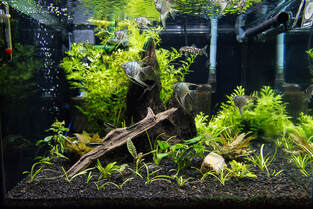
Here is the progression of how much of what I recommended came into full fruition: Noting the difference feeding certain foods had on disease prevention, fish longevity, even cleanliness of the aquarium.
• Late 70s forward. Noting that certain aquariums, in particular those with UV Sterilizers and with mineral blocks (Wonder Shells), mostly during the 1980s had a lower incidence of disease, more vitality, and longevity.
• Increasing use of certain methods to more tanks, later 1980s. Controlled Tests, 1980s to 1990s.
• Research and further tests to explain the results of these tests, 1990s to 2000s. This is how the Redox article came into being and proof of the importance of mineral Cations and use of UVC irradiation.
My experience maintaining literally 10s of 1000s of aquariums gave me a unique perspective as compared to a pure hobbyist. What I mean is that I (and my employees) were at many clients' aquariums only once per week or less. Thus, I did not have the luxury of being able to make sure everything was fine with these fish everyday (kind of like the average hobbyist going away for a one- or two-week vacation and hoping everything would be OK).
In fact, my largest client (the Bahooka Restaurant) was gained because an employee of the restaurant had an Arowana that was sick and none of the medications being advised to her by others were working.
She heard about me through word-of-mouth, and I recognized that she had tank conditions that were not healthy. This prevented her fish's own natural defenses from allowing it to recover. As well the medications sold to her were not the right medicines for treating the illness the fish had. Her fish got better after correcting these problems and the rest was history (this aquarium service account launched many other accounts for us including a contract with Disney).
References:
• Fish as Pets- Bahooka Restaurant
• Aquarium Medications- How they Work & Choosing the Correct Medication
I later utilized about a dozen aquariums in a room as well as the use of multiple aquariums at my now largest client (Coaster Co. of America). With these aquariums, I performed many controlled tests where I monitored certain water parameters. I studied the effect on fish and water parameters of the regular addition of positive mineral ions, filtration methods, UV Sterilization, feeding and more in these tests.
These variables were subtracted/added and measured over time (over 5 years in one test) as compared to control tanks I used.
More recently I have spent 1000s of hours in researching many of the results from my tests along with other's tests in order to provide a better explanation of these results. I do this to separate real fish keeping facts from anecdotal observations.
• Late 70s forward. Noting that certain aquariums, in particular those with UV Sterilizers and with mineral blocks (Wonder Shells), mostly during the 1980s had a lower incidence of disease, more vitality, and longevity.
• Increasing use of certain methods to more tanks, later 1980s. Controlled Tests, 1980s to 1990s.
• Research and further tests to explain the results of these tests, 1990s to 2000s. This is how the Redox article came into being and proof of the importance of mineral Cations and use of UVC irradiation.
My experience maintaining literally 10s of 1000s of aquariums gave me a unique perspective as compared to a pure hobbyist. What I mean is that I (and my employees) were at many clients' aquariums only once per week or less. Thus, I did not have the luxury of being able to make sure everything was fine with these fish everyday (kind of like the average hobbyist going away for a one- or two-week vacation and hoping everything would be OK).
In fact, my largest client (the Bahooka Restaurant) was gained because an employee of the restaurant had an Arowana that was sick and none of the medications being advised to her by others were working.
She heard about me through word-of-mouth, and I recognized that she had tank conditions that were not healthy. This prevented her fish's own natural defenses from allowing it to recover. As well the medications sold to her were not the right medicines for treating the illness the fish had. Her fish got better after correcting these problems and the rest was history (this aquarium service account launched many other accounts for us including a contract with Disney).
References:
• Fish as Pets- Bahooka Restaurant
• Aquarium Medications- How they Work & Choosing the Correct Medication
I later utilized about a dozen aquariums in a room as well as the use of multiple aquariums at my now largest client (Coaster Co. of America). With these aquariums, I performed many controlled tests where I monitored certain water parameters. I studied the effect on fish and water parameters of the regular addition of positive mineral ions, filtration methods, UV Sterilization, feeding and more in these tests.
These variables were subtracted/added and measured over time (over 5 years in one test) as compared to control tanks I used.
More recently I have spent 1000s of hours in researching many of the results from my tests along with other's tests in order to provide a better explanation of these results. I do this to separate real fish keeping facts from anecdotal observations.
Back to the subject, during my time performing aquarium maintenance, I had to look at EVERY parameter and way to keep a healthy aquarium. I could not keep my customers' fish alive by relying on the many aquarium-keeping myths that still to this day float around in this hobby. Unfortunately, many myths that were put to rest many years back such as the Raw Shrimp Cycling method have been resurrected on the Internet.
Reference:
•Aquarium Nitrogen Cycle- Raw Shrimp Cycling
Another example of one such myth is one about bio wheels. This is not to say Bio Wheels do not work, just not to the level of hype they have been made out to be (& this is a very minor myth as to effect on aquarium health compared many of the others still prevalent today).
Reference:
•Do Bio Wheels really work
More noteworthy myths exist to which I conducted many controlled tests and later research to explain my results. Just some of these include: the quality of many popular brands of fish foods, filtration, medications use, cleaning procedures, UV Sterilization, Redox Potential, aquarium cycling & water chemistry including the need of ALL fish for positive mineral ions.
References:
• Aquarium Redox- The Misunderstood Importance of this Water Parameter
• UV Sterilization- Including the indirect benefit of Improved Redox
This aspect of chemistry along with Redox, The Nitrogen Cycle, and the use of UV Sterilizer are among some of the most misunderstood aspects of aquarium keeping I have found based on conversations, emails, forum posts, etc. In fact, when it comes to water chemistry mineral ions and GH the amount of misinformation in forums and elsewhere is mind boggling, making the Chemistry Article a must read!
Reference:
• Aquarium Chemistry- Complete Information
What I found is that if ALL points of disease prevention are practiced; the healthier, more colorful, and long living your fish will be. I had very few losses and many of my newer customers noticed the difference after switching to my service.
I have had many forums criticize me for trying to scare aquarists into needing equipment such as "true" UV Sterilizers (not the UV clarifiers that are passed off as Sterilizers sold on Amazon & elsewhere) or for explaining the science in my aquarium chemistry article. However, I think it is far from that, as everyone should know what all the risks are and every possible way to keep the healthiest aquarium possible. To put this another way, would it be honest to tell someone that their little goldfish they won at a carnival will do just fine in a bowl and not need anything more? I do not think so. My test results and research speak for themselves.
I personally have resisted adding disease charts because these proliferate all over the internet & elsewhere. Many are very “cookie cutter” in their descriptions and can be misleading in my opinion as well as my mentor for aquarium fish disease treatment. I feel that understanding prevention methods and knowledge of antibiotics, chemical treatments, and organic treatments will go much further in treatment and disease prevention than a disease chart that has a "one size fits all" approach.
I recommend reading the companion article below about Medications/Treatments for more information that will help you make an educated choice when treatment of fish is required, rather than using a “dart on the wall” approach.
Reference:
• Aquarium Medications/Treatments; How they work
Also, I recommend reading some of the specific disease articles such as “Columnaris/ Saprolegnia” and many others found Here (or other disease specific articles found on the internet or elsewhere):
• Aquatic Information, Resources
Please read on; Each step listed below is an important part of the Aquarium/Pond disease prevention puzzle (in particular steps 1-10)!
If what you want is a healthy successful aquarium, it is important that ALL steps are followed with the exception of step #13 (which is an important step if you are starting over after constant problems).
These steps represent over three decades of tests and controlled studies. Each time you subtract each of these steps, you lower your chance for success, this includes the use of a true UV Sterilizer which not only helps with disease prevention but is PROVEN to lower oxidative stress. Omitting any of these steps or following one or two halfway, lowers your chance of preventing illness in your fish, so if you are frustrated with your aquarium due to constant “issues”, please follow ALL the steps outlined here before you give up on this wonderful hobby!
Reference:
• Redox As It Pertains To Aquariums
Please note that these steps ARE NOT in order of importance!!!
Reference:
•Aquarium Nitrogen Cycle- Raw Shrimp Cycling
Another example of one such myth is one about bio wheels. This is not to say Bio Wheels do not work, just not to the level of hype they have been made out to be (& this is a very minor myth as to effect on aquarium health compared many of the others still prevalent today).
Reference:
•Do Bio Wheels really work
More noteworthy myths exist to which I conducted many controlled tests and later research to explain my results. Just some of these include: the quality of many popular brands of fish foods, filtration, medications use, cleaning procedures, UV Sterilization, Redox Potential, aquarium cycling & water chemistry including the need of ALL fish for positive mineral ions.
References:
• Aquarium Redox- The Misunderstood Importance of this Water Parameter
• UV Sterilization- Including the indirect benefit of Improved Redox
This aspect of chemistry along with Redox, The Nitrogen Cycle, and the use of UV Sterilizer are among some of the most misunderstood aspects of aquarium keeping I have found based on conversations, emails, forum posts, etc. In fact, when it comes to water chemistry mineral ions and GH the amount of misinformation in forums and elsewhere is mind boggling, making the Chemistry Article a must read!
Reference:
• Aquarium Chemistry- Complete Information
What I found is that if ALL points of disease prevention are practiced; the healthier, more colorful, and long living your fish will be. I had very few losses and many of my newer customers noticed the difference after switching to my service.
I have had many forums criticize me for trying to scare aquarists into needing equipment such as "true" UV Sterilizers (not the UV clarifiers that are passed off as Sterilizers sold on Amazon & elsewhere) or for explaining the science in my aquarium chemistry article. However, I think it is far from that, as everyone should know what all the risks are and every possible way to keep the healthiest aquarium possible. To put this another way, would it be honest to tell someone that their little goldfish they won at a carnival will do just fine in a bowl and not need anything more? I do not think so. My test results and research speak for themselves.
I personally have resisted adding disease charts because these proliferate all over the internet & elsewhere. Many are very “cookie cutter” in their descriptions and can be misleading in my opinion as well as my mentor for aquarium fish disease treatment. I feel that understanding prevention methods and knowledge of antibiotics, chemical treatments, and organic treatments will go much further in treatment and disease prevention than a disease chart that has a "one size fits all" approach.
I recommend reading the companion article below about Medications/Treatments for more information that will help you make an educated choice when treatment of fish is required, rather than using a “dart on the wall” approach.
Reference:
• Aquarium Medications/Treatments; How they work
Also, I recommend reading some of the specific disease articles such as “Columnaris/ Saprolegnia” and many others found Here (or other disease specific articles found on the internet or elsewhere):
• Aquatic Information, Resources
Please read on; Each step listed below is an important part of the Aquarium/Pond disease prevention puzzle (in particular steps 1-10)!
If what you want is a healthy successful aquarium, it is important that ALL steps are followed with the exception of step #13 (which is an important step if you are starting over after constant problems).
These steps represent over three decades of tests and controlled studies. Each time you subtract each of these steps, you lower your chance for success, this includes the use of a true UV Sterilizer which not only helps with disease prevention but is PROVEN to lower oxidative stress. Omitting any of these steps or following one or two halfway, lowers your chance of preventing illness in your fish, so if you are frustrated with your aquarium due to constant “issues”, please follow ALL the steps outlined here before you give up on this wonderful hobby!
Reference:
• Redox As It Pertains To Aquariums
Please note that these steps ARE NOT in order of importance!!!
Cleanliness (Aquarium Cleaning)
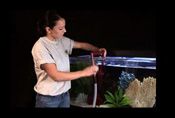
Regular “quality” water changes are extremely important. By quality I mean to not over clean the water by taking fish out of the aquarium and then utilizing methods of "over-maintenance" such as washing the gravel (thus often compromising the nitrogen cycle). You want to use a gravel vacuum and do partial water changes that disrupt the fish as little as possible. The purpose of this is to remove organic debris before it can fully go through the Nitrogen cycle, eventually increasing your Nitrates and lowering your ph.
The use of a recirculating cleaning filter such as a simple Sludge Remover Vacuum in between water changes can increase the efficiency of a cleaning where a tank has high amounts of organic mulm or has been through a period of disease exposure.
Product Resource:
• Eheim Sludge Remover Vacuum
You also want to de-chlorinate the water so as to not add stress to the fish or environment. There are many good products for this: Prime, Safe, AAP Res-Q & Shieldex, Start Right, Stress Coat, Amquel Plus, just to name a few. It is also noteworthy that most water conditioners are temporary Redox reducers which helps with stress. The product AAP Res-Q in particular provides a medicated slime coat/bandage and along with AAP Shieldex are far and away my preferred water conditioners based on long term use in 1000s of aquariums based on results!
Product Resources:
• SeaChem Prime
• AAP Res-Q & Shieldex
Regular small incremental water changes are one of the best maintenance procedures you can perform (if not over done). These will cut pollutants, often add necessary minerals (depending on the water source), and often improve the aquariums Redox Balance (again, depending on the water source).
Here is a list of Reasons why Water Changes/Tank Maintenance on a regular basis is often important:
• Nitrate Control
• Improved Mineralization, (GH, Electrolytes, etc.)
• Generally Improved pH and KH Stability
• Lowering of Organic Mulm/Sludge
• Removal of harmful elements/toxins
• Control of Bio-Load
• Redox Balance
• Removal of Waste
• Control of Algae Growth
• Rinsing of Filter Media
• Aid in Disease Eradication
• Removal of medications and medication by-products
Please see this article for expanded information of these “Reasons”:
• Aquarium Cleaning- Reasons for Water Changes
Another note to regular water changes; these are also important WHEN your fish are sick as well, being performed before each treatment. These water changes should also include a thorough “wiping down” of the glass (on ALL sides) to dislodge algae or "slime" that can harbor disease pathogens.
Water changes (which includes a thorough gravel vacuuming) are also recommended after a disease cure has been reached, for cloudy water, or after many fishless cycling methods that will often leave a tank with high nitrates (this generally is not as much a problem with the “seasoned filter media cycling method”).
For more information about the Aquarium Nitrogen Cycle, please read this article:
• Nitrogen Cycle and Aquarium Cycling- How the Aquarium Nitrogen Cycle Works
Generally, when fish are present, changes over 50% are not recommended as larger water changes can be difficult for fish to cope with large changes in mineralization, pH, etc. (which affect osmoregulation).
Reference:
• Fish Osmoregulation
This again is where a Sludge Removing Vacuum can be a good idea to lower decomposing organic mulm that can affect water parameters and in turn lower fish disease resistance and even harbor disease pathogens such as Aeromonas.
When fish are not present or if it you believe a larger water change is necessary, as the risk of osmotic shock is lower than that of other issues that may kill the fish are present, a 100% water change may be performed.
However it should be noted that a 100% or even double 100% water changes is not always the answer to a problem with pathogens or similar (such as cloudy water) as even with complete water changes with thorough vacuuming will not remove every Ich tomite, nematode, bacterium, or Saprolegnia zoospore.
Only a tank bleaching/chlorination is 100% sure.
Further Reference:
• Saprolegnia in Aquariums
As an example of what I am talking about based on my tests/studies, here are a few examples of why water changes are not a 100% positive method of eradication:
Example A: I have had cases of detritus worms, whereby I changed double 100% water changes and vacuumed only to see them reappear. Luckily these are basically harmless and lowering organic mulm via these water changes (as well as often improving diet to more digestible fish foods such as the "Clay Neighbor's Custom" line of fish foods) will eventually starve most of them out.
Product Resource:
• Clay Neighbor's Custom Fish Food
Example B: Similar to the above example, I have had cloudy water, then again perform double 100% water changes with gravel vacuuming to see this bounce back in a few days, until the source of the problem (generally missed organics or a poorly cycled aquarium) corrected, which often is not an overnight fix.
Example C: I have had Ich outbreaks (or even introduced for the sake of the test), whereby again these double 100% water changes/vacuuming were performed, then fish were re-introduced, and another Ich outbreak occurred.
Example D: In MANY tests of disease pathogens (or opportunistic pathogens) such as Saprolegnia, Streptococcus, Columnaris, etc. This same double 100% water change was performed, only to see the problem return when fish were re-introduced as the pathogen would still be present, even if in much reduced numbers (although the use of a UV Sterilizer improved these results).
Another risk in "too large" of a water change is pH stress if new water alters the pH more than .5 on the logarithmic pH scale. Similar would be oxidative stress from too large a change in Redox. What is also noteworthy is that in my experiments that led up to this article (mostly conducted in the 1990s), aquariums with larger water changes did not show to have lower incidence of disease or higher fish longevity than those with small water changes. It was the lack of any water changes or infrequent water changes that made a difference.
The above examples are NOT to say that water changes (in particular a double 100% water change) do not improve the above situations, it is just that they should not be depended upon to be fail safe. As well while water changes are certainly a good part of many fish disease treatments when performed properly, they also often do not take the place of a treatment regimen or even make up for other poor aquarium maintenance methods (such as failure to maintain a healthy aquarium Redox balance). This is especially true after a fish die out, where the better course of action would be to bleach the tank and then re-start your bacterial colonies.
On the flip side, these large changes may be a good start in taking care of a non lethal detritus worm infestation, bacterial cloud, or even after certain methods of fishless cycling where being 100% certain is either not necessary or less of a concern.
For more about Aquarium Cleaning, please see this article:
• Aquarium Cleaning- reasons and methods for water changes
The use of a recirculating cleaning filter such as a simple Sludge Remover Vacuum in between water changes can increase the efficiency of a cleaning where a tank has high amounts of organic mulm or has been through a period of disease exposure.
Product Resource:
• Eheim Sludge Remover Vacuum
You also want to de-chlorinate the water so as to not add stress to the fish or environment. There are many good products for this: Prime, Safe, AAP Res-Q & Shieldex, Start Right, Stress Coat, Amquel Plus, just to name a few. It is also noteworthy that most water conditioners are temporary Redox reducers which helps with stress. The product AAP Res-Q in particular provides a medicated slime coat/bandage and along with AAP Shieldex are far and away my preferred water conditioners based on long term use in 1000s of aquariums based on results!
Product Resources:
• SeaChem Prime
• AAP Res-Q & Shieldex
Regular small incremental water changes are one of the best maintenance procedures you can perform (if not over done). These will cut pollutants, often add necessary minerals (depending on the water source), and often improve the aquariums Redox Balance (again, depending on the water source).
Here is a list of Reasons why Water Changes/Tank Maintenance on a regular basis is often important:
• Nitrate Control
• Improved Mineralization, (GH, Electrolytes, etc.)
• Generally Improved pH and KH Stability
• Lowering of Organic Mulm/Sludge
• Removal of harmful elements/toxins
• Control of Bio-Load
• Redox Balance
• Removal of Waste
• Control of Algae Growth
• Rinsing of Filter Media
• Aid in Disease Eradication
• Removal of medications and medication by-products
Please see this article for expanded information of these “Reasons”:
• Aquarium Cleaning- Reasons for Water Changes
Another note to regular water changes; these are also important WHEN your fish are sick as well, being performed before each treatment. These water changes should also include a thorough “wiping down” of the glass (on ALL sides) to dislodge algae or "slime" that can harbor disease pathogens.
Water changes (which includes a thorough gravel vacuuming) are also recommended after a disease cure has been reached, for cloudy water, or after many fishless cycling methods that will often leave a tank with high nitrates (this generally is not as much a problem with the “seasoned filter media cycling method”).
For more information about the Aquarium Nitrogen Cycle, please read this article:
• Nitrogen Cycle and Aquarium Cycling- How the Aquarium Nitrogen Cycle Works
Generally, when fish are present, changes over 50% are not recommended as larger water changes can be difficult for fish to cope with large changes in mineralization, pH, etc. (which affect osmoregulation).
Reference:
• Fish Osmoregulation
This again is where a Sludge Removing Vacuum can be a good idea to lower decomposing organic mulm that can affect water parameters and in turn lower fish disease resistance and even harbor disease pathogens such as Aeromonas.
When fish are not present or if it you believe a larger water change is necessary, as the risk of osmotic shock is lower than that of other issues that may kill the fish are present, a 100% water change may be performed.
However it should be noted that a 100% or even double 100% water changes is not always the answer to a problem with pathogens or similar (such as cloudy water) as even with complete water changes with thorough vacuuming will not remove every Ich tomite, nematode, bacterium, or Saprolegnia zoospore.
Only a tank bleaching/chlorination is 100% sure.
Further Reference:
• Saprolegnia in Aquariums
As an example of what I am talking about based on my tests/studies, here are a few examples of why water changes are not a 100% positive method of eradication:
Example A: I have had cases of detritus worms, whereby I changed double 100% water changes and vacuumed only to see them reappear. Luckily these are basically harmless and lowering organic mulm via these water changes (as well as often improving diet to more digestible fish foods such as the "Clay Neighbor's Custom" line of fish foods) will eventually starve most of them out.
Product Resource:
• Clay Neighbor's Custom Fish Food
Example B: Similar to the above example, I have had cloudy water, then again perform double 100% water changes with gravel vacuuming to see this bounce back in a few days, until the source of the problem (generally missed organics or a poorly cycled aquarium) corrected, which often is not an overnight fix.
Example C: I have had Ich outbreaks (or even introduced for the sake of the test), whereby again these double 100% water changes/vacuuming were performed, then fish were re-introduced, and another Ich outbreak occurred.
Example D: In MANY tests of disease pathogens (or opportunistic pathogens) such as Saprolegnia, Streptococcus, Columnaris, etc. This same double 100% water change was performed, only to see the problem return when fish were re-introduced as the pathogen would still be present, even if in much reduced numbers (although the use of a UV Sterilizer improved these results).
Another risk in "too large" of a water change is pH stress if new water alters the pH more than .5 on the logarithmic pH scale. Similar would be oxidative stress from too large a change in Redox. What is also noteworthy is that in my experiments that led up to this article (mostly conducted in the 1990s), aquariums with larger water changes did not show to have lower incidence of disease or higher fish longevity than those with small water changes. It was the lack of any water changes or infrequent water changes that made a difference.
The above examples are NOT to say that water changes (in particular a double 100% water change) do not improve the above situations, it is just that they should not be depended upon to be fail safe. As well while water changes are certainly a good part of many fish disease treatments when performed properly, they also often do not take the place of a treatment regimen or even make up for other poor aquarium maintenance methods (such as failure to maintain a healthy aquarium Redox balance). This is especially true after a fish die out, where the better course of action would be to bleach the tank and then re-start your bacterial colonies.
On the flip side, these large changes may be a good start in taking care of a non lethal detritus worm infestation, bacterial cloud, or even after certain methods of fishless cycling where being 100% certain is either not necessary or less of a concern.
For more about Aquarium Cleaning, please see this article:
• Aquarium Cleaning- reasons and methods for water changes
Good Filtration & Circulation
I ALWAYS recommend two (or more) filters for redundancy, and I never totally throw out all media, rather I rinse part of the filter media in used aquarium water so as to preserve beneficial (aerobic) bacteria for proper biological filtration (ammonia and nitrite removal). While failure is not too common, it can and does happen and if you only have one decent bio filter in particular, the jump in ammonia and possible low oxygen levels can harm and sometimes permanently harm your fish, which is why this a part of "Aquarium Disease Prevention".
In most aquariums I would have at least one Sponge Filter (preferably the AAP Hydro Sponge due to much higher efficiency over all others, especially Chinese knock offs now sold as just as good but are actually NOT). If your Sponge Filter is air powered, I suggest more than one air pump, as if one multi-port air pump is used for all Sponge filters in your aquarium and it fails, your redundancy goes out the window!
Sponge Pre Filters also are a great addition to HOB filters in particular (or canister filters) as they improve bio filtration, especially during filter media changes whereby bacteria is preserved in part of the aquarium's bio filter when a cartridge or other filter media in the Power Filter (HOB Filter) is changed out. However, these do not really count as redundancy since your HOB or canister filter powers these and if they fail, so does your pre-filter.
Product Resources:
• Filter Max Sponge Pre Filters from AAP
• AAP Hydro Sponge Filters
Keep in mind that the primary function of filters is to remove waste mechanically and biologically (& possibly chemically as well). If your filter is not performing these basic tasks, you need to change, add to, or improve your filters.
For more information about filters, please see this article:
• Aquarium Filtration-Filters
One question I am often asked is “Can I have too much Filtration?”, the answer is yes, however let me qualify this answer; as many Reef Keepers can attest to. If your aquarium has multiple aerobic bio filters or even mechanical filters that trap organic debris but are not cleaned/changed often your tank can become what is commonly called a “Nitrate Factory”. Although high nitrates are not as important a factor for many tropical fish (long term exposure is still harmful though), high nitrates over 20 ppm or even less are harmful to many delicate reef inhabitants.
So the point is to counter your aerobic bio filtration (which removes ammonia & nitrites but results in ever increasing nitrates) with water changes, use of micron cleaning filters, live plants such as Hornwort, products such as Purigen, Matrix, or Algone as well as de-nitrifying filter methods such as the use of live rock crumbles (marine tanks only), volcanic rock or similar that allows for anaerobic de-nitrification while not producing Hydrogen Sulfides.
Reference:
• Denitrification, Hydrogen Sulfide Production in an Aquarium
Product Resources:
• SeaChem Purigen; Aquarium Water Quality Control Product
• Algone; Water Clarifier, Nitrate Remover; From AAP
• Volcanic Rock
Please see this article for more about Nitrate reduction including methods specific to marine or freshwater aquariums:
• Aquarium Nitrates; Freshwater, Saltwater, Reduction, Prevention
In most aquariums I would have at least one Sponge Filter (preferably the AAP Hydro Sponge due to much higher efficiency over all others, especially Chinese knock offs now sold as just as good but are actually NOT). If your Sponge Filter is air powered, I suggest more than one air pump, as if one multi-port air pump is used for all Sponge filters in your aquarium and it fails, your redundancy goes out the window!
Sponge Pre Filters also are a great addition to HOB filters in particular (or canister filters) as they improve bio filtration, especially during filter media changes whereby bacteria is preserved in part of the aquarium's bio filter when a cartridge or other filter media in the Power Filter (HOB Filter) is changed out. However, these do not really count as redundancy since your HOB or canister filter powers these and if they fail, so does your pre-filter.
Product Resources:
• Filter Max Sponge Pre Filters from AAP
• AAP Hydro Sponge Filters
Keep in mind that the primary function of filters is to remove waste mechanically and biologically (& possibly chemically as well). If your filter is not performing these basic tasks, you need to change, add to, or improve your filters.
For more information about filters, please see this article:
• Aquarium Filtration-Filters
One question I am often asked is “Can I have too much Filtration?”, the answer is yes, however let me qualify this answer; as many Reef Keepers can attest to. If your aquarium has multiple aerobic bio filters or even mechanical filters that trap organic debris but are not cleaned/changed often your tank can become what is commonly called a “Nitrate Factory”. Although high nitrates are not as important a factor for many tropical fish (long term exposure is still harmful though), high nitrates over 20 ppm or even less are harmful to many delicate reef inhabitants.
So the point is to counter your aerobic bio filtration (which removes ammonia & nitrites but results in ever increasing nitrates) with water changes, use of micron cleaning filters, live plants such as Hornwort, products such as Purigen, Matrix, or Algone as well as de-nitrifying filter methods such as the use of live rock crumbles (marine tanks only), volcanic rock or similar that allows for anaerobic de-nitrification while not producing Hydrogen Sulfides.
Reference:
• Denitrification, Hydrogen Sulfide Production in an Aquarium
Product Resources:
• SeaChem Purigen; Aquarium Water Quality Control Product
• Algone; Water Clarifier, Nitrate Remover; From AAP
• Volcanic Rock
Please see this article for more about Nitrate reduction including methods specific to marine or freshwater aquariums:
• Aquarium Nitrates; Freshwater, Saltwater, Reduction, Prevention
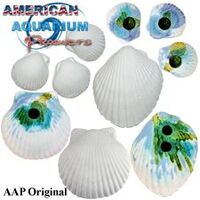
Bowl Filtration: If you have a bowl, this task is more difficult although it most bowls over 1 gallon utilize a Hydro Sponge #1 or Mini Filter, as well regular water changes are important (in a bowl I recommend approximately a 2/3 water change) and the addition of products such as Wonder Shells to aid in water quality in between water changes is important.
Product Resources:
• Aquarium Sponge Filters; Hydro Sponge #1 & Mini
• Wonder Shells- Unique Version Found ONLY Here
Circulation goes hand in hand with filtration and often with more than one filter you will achieve good circulation and gas exchange (oxygen/CO2). Many power heads have aeration adapters that can improve this surface gas exchange further.
An air stone coupled with an air pump can also improve circulation (vertical in particular) and even some filtration via water movement in the aquarium that bathes aerobic bacteria that often cling to surface areas or in the case of live rock in marine aquariums simple water movement actually performs considerable filtration when properly applied by moving water around the live rock (please see the above filtration article). Good circulation coupled with good filtration is important for maintaining dissolved oxygen levels between 5-7 ppm and will allow for better bio filtration and a more balanced Redox Potential as well.
It is noteworthy that low circulation combined with high temperatures can be lethal, especially if CO2 is being added to the aquarium. For this reason, even with fish that might prefer slightly higher temperatures, I have found better results and a lower incidence of "disaster" by keeping temperatures of 75-78 for most tropical fish (there are exceptions of course).
Do not make the mistake of keeping your temperature high as a disease preventative, as even for Ich which can be treated with high temps, long term the harm will outweigh the good and many bacterial & fungal infections thrive at higher temps, in particular Columnaris.
Reference:
• FISH COLUMNARIS | Fungus & Saprolegnia | Treatment & Prevention
As with filtration, the question can be asked is "Can I have too much circulation?" The answer is this is possible, but rarely this is an issue, usually the other way around. This said I have noted in several community and African Cichlid aquariums where flow rates were so high the fish had little area to escape the high flow and the resulting stress showed up as a higher incidence of Columnaris. Think of it this way; many fish such as Neon Tetras or Lake Malawi Cichlids do not come from waters with high natural turbulence; in other words, these fish are not salmon or trout.
Here are a few suggested aquarium turnover rates:
• 6-10 times for an average fish only aquarium or planted aquarium
• 10-12 times for high bio load freshwater aquarium, an average marine FOWLR or very basic reef tank (FOWLR = Fish only with live rock).
• 14-20 times for an Advanced Reef Tank
Product Resources:
• Aquarium Sponge Filters; Hydro Sponge #1 & Mini
• Wonder Shells- Unique Version Found ONLY Here
Circulation goes hand in hand with filtration and often with more than one filter you will achieve good circulation and gas exchange (oxygen/CO2). Many power heads have aeration adapters that can improve this surface gas exchange further.
An air stone coupled with an air pump can also improve circulation (vertical in particular) and even some filtration via water movement in the aquarium that bathes aerobic bacteria that often cling to surface areas or in the case of live rock in marine aquariums simple water movement actually performs considerable filtration when properly applied by moving water around the live rock (please see the above filtration article). Good circulation coupled with good filtration is important for maintaining dissolved oxygen levels between 5-7 ppm and will allow for better bio filtration and a more balanced Redox Potential as well.
It is noteworthy that low circulation combined with high temperatures can be lethal, especially if CO2 is being added to the aquarium. For this reason, even with fish that might prefer slightly higher temperatures, I have found better results and a lower incidence of "disaster" by keeping temperatures of 75-78 for most tropical fish (there are exceptions of course).
Do not make the mistake of keeping your temperature high as a disease preventative, as even for Ich which can be treated with high temps, long term the harm will outweigh the good and many bacterial & fungal infections thrive at higher temps, in particular Columnaris.
Reference:
• FISH COLUMNARIS | Fungus & Saprolegnia | Treatment & Prevention
As with filtration, the question can be asked is "Can I have too much circulation?" The answer is this is possible, but rarely this is an issue, usually the other way around. This said I have noted in several community and African Cichlid aquariums where flow rates were so high the fish had little area to escape the high flow and the resulting stress showed up as a higher incidence of Columnaris. Think of it this way; many fish such as Neon Tetras or Lake Malawi Cichlids do not come from waters with high natural turbulence; in other words, these fish are not salmon or trout.
Here are a few suggested aquarium turnover rates:
• 6-10 times for an average fish only aquarium or planted aquarium
• 10-12 times for high bio load freshwater aquarium, an average marine FOWLR or very basic reef tank (FOWLR = Fish only with live rock).
• 14-20 times for an Advanced Reef Tank
Level One or Higher UVc Sterilization
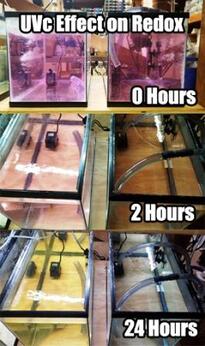
True Level One UV sterilizers help prevent many bacterial, fungal, and protozoa diseases. In addition, they help with oxidation properties (Redox Potential) of the water and in so doing, water clarity AND fish immunity.
This "tool" is not essential; HOWEVER, UV Sterilization is one more piece of the disease prevention puzzle and one of the more important pieces at that. MORE IMPORTANTLY, in the controlled tests I performed that are a good part of the basis of this article, while the aquariums without UV Sterilization but otherwise well maintained as per other points of this article certainly did well, the ones that also had level one UV Sterilization had less disease incidence and longer fish longevity!
The picture above documents this ability of a level one UVC Sterilizer to consistently lower oxidative stress in an aquarium!!!
I would also state that some of the statements that UV Sterilizers are useless are FALSE and NOT based on any real scientific evidence, as they DO help for all fish. In fact, my studies with goldfish and others showed marked health improvement. Simply put, if you can afford one you SHOULD have a true level 1 UV Sterilizer as part of your aquarium equipment.
The FACTs of this controlled study in the 1990s, conducted primarily with fancy goldfish, whereby all parameters were equal including feeding, bio load, etc., the tanks with UV Sterilizers run at a correct level one showed a 20-25% improvement in longevity and lower disease incidence. To ignore this FACT for any aquarium, especially with aquariums that have thousands of dollars, Euros, etc. invested, is simply foolish in my opinion.
Product Resource:
• Level One UV Sterilizers for Aquarium or Pond
Many quality UV sterilizers are not all that expensive especially when the cost of your fish, your time, and often the medications that may not be used are considered (which can easily cost more than the UV Sterilizer). For example, the good quality AAP/Terminator 7-Watt UV Sterilizer is $64.99 as of the last update of this article. If a top-notch UV Sterilizer is desired, the AAP/TMC Vecton or Advantage are second to none and are worth every penny of the approximate $133 and up these UVs cost to purchase (this includes the facts these UVs last as much as 5 times as long as many economy UVs sold via eBay, Amazon, etc.).
This said, with the cut and paste nature of the Internet, many less than capable UV Clarifiers are sold as Sterilizers, when in fact they are not. Beware of the small in-line UV units such as the Cobalt Micro UV, the popular Hang-On-Back Filter UVs, and many others that have almost NO dwell time and in many cases also utilize 7% UVC medium pressure lamps instead of high output low pressure UV lamps which by themselves cost much more. Being experienced in UV construction (having built many myself from scratch), I know what it costs to make a decent true UV Sterilizer and these so-called devices much under $60 are NOT True UV Sterilizers!!!
Product Resources:
• SunSun/Terminator UV Sterilizer
• AAP/TMC Premium High Dwell Time Aquarium or Pond UV Sterilizers
Another point to the use of UV Sterilizers is proper maintenance; often aquarium keepers install a UV Sterilizer and then forget about this device, however it is important to change your UV-C Bulb every six months for optimum performance!
Product Resource:
• High Output Low Pressure UV Replacement Bulbs for Aquarium or Pond
For more information about UV Sterilization, please see this article:
• Ultraviolet Sterilization-How UV sterilization works
Although no one step as outlined here in this article will solve all your aquatic problems, it is noteworthy that the use a properly installed UV Sterilizer is a one of the more proven steps to a healthy aquarium & fish longevity.
The bottom line as to the use UV Sterilizer, is if you are having constant problems and do not have a properly installed TRUE UV Sterilizer for disease prevention and improved Redox balance (of which there are many facets of Redox balance from mineral cations to lowering free radicals such as with UV-C), you have NOT done all you can for maintaining a healthy aquarium. I have years of evidence to support this fact. I would also note that I have noted with clients' aquariums over the years that the addition of a UV Sterilizer cut the use of medications in ½, thus saving money here, so if cost is a question, this along with the value of your prize fish is reason enough!
Further Reference:
• The Importance of a Balanced Redox in Aquarium Disease Prevention
Testimonial from Everything-Aquatic Forum: "On January 23 I installed the Vecton 200 UV sterilizer. There is a hundred times difference in my water now. It not only cleared the discoloration, but all the little specks are gone in just two days. What will it be like in a week? It should be a priority for every aquarium setup to have a Vecton UV sterilizer from AAP. This is a well spent investment for my hobby...
On another note: My SunSun canister filter has a UV sterilizer built in but has never had this kind of effect on my water. It is pointless for SunSun to even put a UV sterilizer this small in a canister filter. I will not be replacing it again; I will just let it burn out...". - Richard
In the end, I certainly understand budget or whether it is even practical to place a True UV Sterilizer on a 2-gallon tank or Betta Bowl. However, purchasing an economy UV Clarifier such as a Green Killing Machine is not the answer to budget, and for small aquariums/bowls, this is why this is advisably not the best place to keep fish in for more reasons than just being able to utilize a true UV Sterilizer.
This "tool" is not essential; HOWEVER, UV Sterilization is one more piece of the disease prevention puzzle and one of the more important pieces at that. MORE IMPORTANTLY, in the controlled tests I performed that are a good part of the basis of this article, while the aquariums without UV Sterilization but otherwise well maintained as per other points of this article certainly did well, the ones that also had level one UV Sterilization had less disease incidence and longer fish longevity!
The picture above documents this ability of a level one UVC Sterilizer to consistently lower oxidative stress in an aquarium!!!
I would also state that some of the statements that UV Sterilizers are useless are FALSE and NOT based on any real scientific evidence, as they DO help for all fish. In fact, my studies with goldfish and others showed marked health improvement. Simply put, if you can afford one you SHOULD have a true level 1 UV Sterilizer as part of your aquarium equipment.
The FACTs of this controlled study in the 1990s, conducted primarily with fancy goldfish, whereby all parameters were equal including feeding, bio load, etc., the tanks with UV Sterilizers run at a correct level one showed a 20-25% improvement in longevity and lower disease incidence. To ignore this FACT for any aquarium, especially with aquariums that have thousands of dollars, Euros, etc. invested, is simply foolish in my opinion.
Product Resource:
• Level One UV Sterilizers for Aquarium or Pond
Many quality UV sterilizers are not all that expensive especially when the cost of your fish, your time, and often the medications that may not be used are considered (which can easily cost more than the UV Sterilizer). For example, the good quality AAP/Terminator 7-Watt UV Sterilizer is $64.99 as of the last update of this article. If a top-notch UV Sterilizer is desired, the AAP/TMC Vecton or Advantage are second to none and are worth every penny of the approximate $133 and up these UVs cost to purchase (this includes the facts these UVs last as much as 5 times as long as many economy UVs sold via eBay, Amazon, etc.).
This said, with the cut and paste nature of the Internet, many less than capable UV Clarifiers are sold as Sterilizers, when in fact they are not. Beware of the small in-line UV units such as the Cobalt Micro UV, the popular Hang-On-Back Filter UVs, and many others that have almost NO dwell time and in many cases also utilize 7% UVC medium pressure lamps instead of high output low pressure UV lamps which by themselves cost much more. Being experienced in UV construction (having built many myself from scratch), I know what it costs to make a decent true UV Sterilizer and these so-called devices much under $60 are NOT True UV Sterilizers!!!
Product Resources:
• SunSun/Terminator UV Sterilizer
• AAP/TMC Premium High Dwell Time Aquarium or Pond UV Sterilizers
Another point to the use of UV Sterilizers is proper maintenance; often aquarium keepers install a UV Sterilizer and then forget about this device, however it is important to change your UV-C Bulb every six months for optimum performance!
Product Resource:
• High Output Low Pressure UV Replacement Bulbs for Aquarium or Pond
For more information about UV Sterilization, please see this article:
• Ultraviolet Sterilization-How UV sterilization works
Although no one step as outlined here in this article will solve all your aquatic problems, it is noteworthy that the use a properly installed UV Sterilizer is a one of the more proven steps to a healthy aquarium & fish longevity.
The bottom line as to the use UV Sterilizer, is if you are having constant problems and do not have a properly installed TRUE UV Sterilizer for disease prevention and improved Redox balance (of which there are many facets of Redox balance from mineral cations to lowering free radicals such as with UV-C), you have NOT done all you can for maintaining a healthy aquarium. I have years of evidence to support this fact. I would also note that I have noted with clients' aquariums over the years that the addition of a UV Sterilizer cut the use of medications in ½, thus saving money here, so if cost is a question, this along with the value of your prize fish is reason enough!
Further Reference:
• The Importance of a Balanced Redox in Aquarium Disease Prevention
Testimonial from Everything-Aquatic Forum: "On January 23 I installed the Vecton 200 UV sterilizer. There is a hundred times difference in my water now. It not only cleared the discoloration, but all the little specks are gone in just two days. What will it be like in a week? It should be a priority for every aquarium setup to have a Vecton UV sterilizer from AAP. This is a well spent investment for my hobby...
On another note: My SunSun canister filter has a UV sterilizer built in but has never had this kind of effect on my water. It is pointless for SunSun to even put a UV sterilizer this small in a canister filter. I will not be replacing it again; I will just let it burn out...". - Richard
In the end, I certainly understand budget or whether it is even practical to place a True UV Sterilizer on a 2-gallon tank or Betta Bowl. However, purchasing an economy UV Clarifier such as a Green Killing Machine is not the answer to budget, and for small aquariums/bowls, this is why this is advisably not the best place to keep fish in for more reasons than just being able to utilize a true UV Sterilizer.
Overfeeding & Quality Food
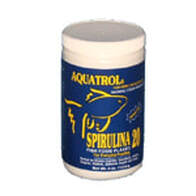
This is an important area of long-term fish health & disease prevention that many miss or simply do not seem to understand, of which I partly place the blame with the mass marketers/discounter that now dominate the industry/hobby. Many will cite that a breeder uses, or the fish grew faster with brand 'X', which actually proves nothing since faster growth actually speeds up the life cycle.
However, long term tests I have performed over decades have shown that such foods (often pushed by popular YouTube personalities) actually in the end result in shorter life spans and higher disease incidence as the fish ages versus diets based on better over analysis of energy levels, fiber content, etc.
A common result is incidence's of fish bloat are much more common due to fatty liver along with osmregulation and long term oxidative stress issues caused by "too high" energy levels (especially in Gouramis as per my research).
Many foods of late actually utilize good ingredients, but still do not use the optimum sources (such as whole Menhaden fish meal), or even more often do not meet proven energy level standards and fiber content. Also, foods high in unusable amino acids (which make up proteins) add to your nitrogenous wastes which in turn eventually add up to higher nitrates, which although are note a major problem, prolonged exposure to high nitrates will weaken fish and lower disease resistance.
What is noteworthy that many fish foods assume that more protein is better, and this is simply not true as often this can cause premature renal failure along with unnecessary pollution of the aquarium. As noted earlier, fiber content & energy levels are another issue directly related to long term fish health, longevity, and even how effective a treatment will be should a fish still get sick. The correct fiber levels provide better digestion and lower incidence of gut infections whole the proper energy levels prevent long term liver issues as well as lower oxidative stress resulting in higher disease resistance and fish longevity. My earliest tests confirmed this over & over!
As an example, while popular and often recommended (partly because it is easily purchased via discounters); New Life Spectrum, while a reasonably decent food, is guilty of these points plus using too much cereal/starch & too low a fiber content.
There are many "good brands", many well marketed, such as NorthFin which is marketed as premium but in all due respect based on energy levels & especially fiber levels is not premium (but still a good fish food). The best being AAP Spirulina 20 along with Clay Neighbor's AAP Custom (upgraded from the original Paradigm formula) which does not need to supplement with additional additives due to the high quality of natural ingredients as well as optimal protein & energy levels; not too much or too little. As well, this fish food is dehydrated at low heat, not baked or extruded so that vitamins & other nutrients are not "cooked out" (which is a problem with most pellets/flakes, despite their convenience). As per Spirulina 20, my professional tests in 100s of aquariums go back decades, NO OTHER Fish Food has been as scientifically proven!
Then there is the new, but excellent AAP/Gamma NutroShots which is a dry fish food that feeds like frozen foods and there is no better dry fish food for weak, picky, or new fish.
Some brands to avoid: Tetra, Hartz. BTW, many have fed Tetra Foods and raised generations of fish on it, however this is NOT scientific proof that it is quality food; the label and side to side tests are a more accurate measure! Often the fish could have done better yet with another food.
For more information about Proper Fish Nutrition, this is a MUST-READ article:
• Quality Fish Food- What Ingredients/Analysis are Needed for Proper Fish Nutrition
However, long term tests I have performed over decades have shown that such foods (often pushed by popular YouTube personalities) actually in the end result in shorter life spans and higher disease incidence as the fish ages versus diets based on better over analysis of energy levels, fiber content, etc.
A common result is incidence's of fish bloat are much more common due to fatty liver along with osmregulation and long term oxidative stress issues caused by "too high" energy levels (especially in Gouramis as per my research).
Many foods of late actually utilize good ingredients, but still do not use the optimum sources (such as whole Menhaden fish meal), or even more often do not meet proven energy level standards and fiber content. Also, foods high in unusable amino acids (which make up proteins) add to your nitrogenous wastes which in turn eventually add up to higher nitrates, which although are note a major problem, prolonged exposure to high nitrates will weaken fish and lower disease resistance.
What is noteworthy that many fish foods assume that more protein is better, and this is simply not true as often this can cause premature renal failure along with unnecessary pollution of the aquarium. As noted earlier, fiber content & energy levels are another issue directly related to long term fish health, longevity, and even how effective a treatment will be should a fish still get sick. The correct fiber levels provide better digestion and lower incidence of gut infections whole the proper energy levels prevent long term liver issues as well as lower oxidative stress resulting in higher disease resistance and fish longevity. My earliest tests confirmed this over & over!
As an example, while popular and often recommended (partly because it is easily purchased via discounters); New Life Spectrum, while a reasonably decent food, is guilty of these points plus using too much cereal/starch & too low a fiber content.
There are many "good brands", many well marketed, such as NorthFin which is marketed as premium but in all due respect based on energy levels & especially fiber levels is not premium (but still a good fish food). The best being AAP Spirulina 20 along with Clay Neighbor's AAP Custom (upgraded from the original Paradigm formula) which does not need to supplement with additional additives due to the high quality of natural ingredients as well as optimal protein & energy levels; not too much or too little. As well, this fish food is dehydrated at low heat, not baked or extruded so that vitamins & other nutrients are not "cooked out" (which is a problem with most pellets/flakes, despite their convenience). As per Spirulina 20, my professional tests in 100s of aquariums go back decades, NO OTHER Fish Food has been as scientifically proven!
Then there is the new, but excellent AAP/Gamma NutroShots which is a dry fish food that feeds like frozen foods and there is no better dry fish food for weak, picky, or new fish.
Some brands to avoid: Tetra, Hartz. BTW, many have fed Tetra Foods and raised generations of fish on it, however this is NOT scientific proof that it is quality food; the label and side to side tests are a more accurate measure! Often the fish could have done better yet with another food.
For more information about Proper Fish Nutrition, this is a MUST-READ article:
• Quality Fish Food- What Ingredients/Analysis are Needed for Proper Fish Nutrition
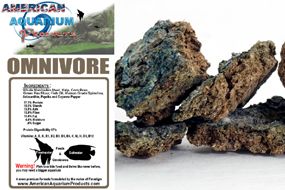
Premium/Professionally Proven Fish Food Product Resources:
• Spirulina 20 Fish Food Flake from AAP
• Kahoja/Sanyu from AAP
• Gamma NutraShots from AAP (feeds like froze, keeps like dry fish food)
• Clay Neighbor's AAP Custom/Paradigm Ultra-Premium Custom Fish Foods
More bluntly, I have seen weak & older fish (especially goldfish) that are showing signs of age and/or poor care (often due to a lifetime of poor food and/or water chemistry) improve simply by feeding an easy to digest Natural, optimal protein, & Spirulina based fish food as well as correcting water chemistry!!!
Further References:
• Spirulina as a Fish Food
• Water Chemistry- The importance of Minerals, Buffers in an Aquarium, Pond
• What's wrong with making Dough in Fish Food?
• Fish Nutrition 101
In summary, fish food is one of the first parts of the disease prevention puzzle I figured out its importance. The use of optimal fish nutrition has come down to both improved fish overall health, but also it plays a small role as to aquarium pollution due to more waste with lower quality and protein over usage (even by so-called premium brands). This is also a simple aspect of "Disease Prevention/Fish Health" to fix, as it is an easy habit to break by switching from buying your fish food from where it is convenient or saves you a few quarters to a true quality fish food (not a discounter so called "best" fish food such as NLS).
• Spirulina 20 Fish Food Flake from AAP
• Kahoja/Sanyu from AAP
• Gamma NutraShots from AAP (feeds like froze, keeps like dry fish food)
• Clay Neighbor's AAP Custom/Paradigm Ultra-Premium Custom Fish Foods
More bluntly, I have seen weak & older fish (especially goldfish) that are showing signs of age and/or poor care (often due to a lifetime of poor food and/or water chemistry) improve simply by feeding an easy to digest Natural, optimal protein, & Spirulina based fish food as well as correcting water chemistry!!!
Further References:
• Spirulina as a Fish Food
• Water Chemistry- The importance of Minerals, Buffers in an Aquarium, Pond
• What's wrong with making Dough in Fish Food?
• Fish Nutrition 101
In summary, fish food is one of the first parts of the disease prevention puzzle I figured out its importance. The use of optimal fish nutrition has come down to both improved fish overall health, but also it plays a small role as to aquarium pollution due to more waste with lower quality and protein over usage (even by so-called premium brands). This is also a simple aspect of "Disease Prevention/Fish Health" to fix, as it is an easy habit to break by switching from buying your fish food from where it is convenient or saves you a few quarters to a true quality fish food (not a discounter so called "best" fish food such as NLS).
Watch Water Chemistry
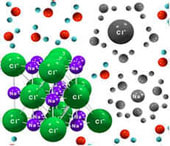
This is probably one of the most important and broad aspects of aquarium disease prevention, along with cleaning/water changes and filtration/circulation, and NOT ONE aspect of Aquarium chemistry should be ignored by a serious aquarist. Unfortunately based on emails, forum questions, and aquarium maintenance "field calls", at least one aspect of aquarium chemistry is often incorrect (such as rH). As well water changes do not correct water chemistry, so persons advocating large regular water changes often fall short here. Water chemistry also encompasses the nitrogen cycle, which shows up in ammonia, nitrites, nitrates, and even pH and KH since high bio loads can create a lot of acids that then drag down pH & KH.
Important parameters include:
• KH - 50 ppm or higher, depending on the fish kept, much higher in SW, etc. A stable KH maintains pH and an unstable KH is a predictor of an unstable or "too high" aquarium bio load (generally due to an overcrowded, over fed, poorly filtered aquarium). Reference: Aquarium/Pond Bio Load.
• pH - Stability is what is most important. Note that ammonia is more toxic at a higher ph (at pH under 6.5, ammonia begins to convert to less toxic ammonium)! As with KH, a pH that drops rapidly can be an indicator of too high a bio load.
• Ammonia - 0 ppm. Any ammonia level that is over .5 ppm for more than 1/2 day likely indicates an unhealthy bio filter and/or an aquarium that is not fully cycled.
• Nitrites - 0 ppm. Similar to ammonia.
• Nitrates - Below 40-50 ppm for FW, below 15-20 ppm for SW and even less for Reef).
• Positive mineral ions. A GH of 100-500 ppm (depending on the fish kept) provides the BASE for needed calcium and other important mineral cations for proper osmotic processes and healing from infections and wounds. NOTE: having a GH over 100 ppm does NOT guarantee positive mineral ions, aka electrolytes are available to fish. Important Further Reference: Aquarium Chemistry; Depletion of Positive Ions.
• A Balanced Redox (including rH), a water chemistry parameter that more recent research is proving its importance in disease prevention! Further Reference: The Importance of Aquarium Redox.
While most aquarium keepers understand the importance of the nitrogen cycle and resulting high ammonia dangers of an aquarium that is not fully cycled (if at all), the importance of Calcium, Magnesium and other positive mineral ions (electrolytes) are an often-forgotten component of proper aquarium health, however they are ESSENTIAL TOO!
I have little incidence of Dropsy and Swim Bladder infections as well as clearly longer lifespans when these elements were present (along with good feeding practices and regular cleanings). This is an area I cannot stress enough and there is so MUCH research to prove this yet is so often ignored in anecdotal forums.
Unfortunately since GH test kits do not differentiate between minerals such as calcium that have lost their positive electrical charge and those still positively charged, this is not always a reliable method of discerning this (a GH of 200 ppm may still be lacking the necessary positive mineral ions).
This is why it is important to regularly change water with ionized water (most tap and well water have adequate ionization, while many bottled, RO, DI, and soft water does not), as well the REGULAR addition of minerals via Wonder Shells, Mineral Blocks, AragaMight, SeaChem Replenish or other methods is extremely important. I have personally found that the Complete Wonder Shells are the most effective and simplest method to achieve this for freshwater aquariums (I have also used these or similar products for marine aquariums too).
Product References:
• Complete Wonder Shells- unique version only at AAP
• AAP Replenish Aquarium RO Mineral Ion Replenisher
Please note that an aquarium is a closed environment, and you cannot expect even with regular water changes, for mineral cations to not get depleted in this closed environment! This is another aspect many aquarium keepers miss, especially those keeping Amazon River or similar environment (biotope) fish. As an example, you must realize that the Amazon is constantly supplied with mineral ions from the Andes Mountains that are then quickly depleted by the acidic soft water environment. Bringing this back to an aquarium, if you immediately drive out all positive mineral ions in a mis-guided attempt to duplicate the Amazon environment, your fish will be constantly deprived of these essential mineral ions! This is analogous to a person avoiding all sun and then refusing to take any vitamin D supplements.
For more information about this, please read these articles (which include links to many research articles to support my points):
• AQUARIUM GH, KH, Ph, MINERAL CATIONS/ELECTROLYTES The section on GH and Calcium in particular is a MUST read for those who truly are interested in preventing disease in their aquarium.
AND:
• How Fish Drink- Proper Osmotic Function
As to pH, many aquarists will spend too much time chasing a “perfect” pH when a STABLE pH is more important, which I can speak to in the 1000s of aquariums I have maintained at different pH and other parameters. I have seen Discus (a fish which comes from waters often under 6.5) breed in aquariums with a pH above 7.5. What is stressful is a pH that is not stable therefore a good KH and/or acid buffer is important.
What I have found THAT'S FAR MORE IMPORTANT is electrolytes and calcium (which will also affect a good Redox Potential) present than a so-called perfect pH.
Back to the Nitrogen cycle - High ammonia and nitrite levels make fish extremely susceptible to infection and will eventually kill the fish outright, of which maintaining an environment conducive to a healthy nitrogen cycle is important. This includes being aware of the dangers of certain medications and realizing that low pH environments are not always conducive to proper nitrification, although at a pH of 6.7, most "total ammonia" is actually NH4 ammonia, but this can change quickly with a any condition that suddenly spikes one's aquarium pH, including a water change resulting in a sudden and deadly conversion of nontoxic NH4 to very toxic NH3!
See the chart found in this article:
• Aquarium & Pond Test Kits; Ammonia and Ammonium Chart
Prolonged nitrate levels above 50 ppm will stunt fish growth and lower fish immunity. Nitrates (along with Redox) are not a problems for fish health in the short term as ammonia is, however the statement that nitrates are not poisonous is another aquarium keeping myth. Nitrates over 30 ppm have been shown to kill cephalopods and nitrates over 20 ppm (some studies show even lower) have been shown to cause blue baby syndrome in humans, so why would long term exposure to higher nitrates not be detrimental to fish?
Please read these articles for more about nitrates:
• Aquarium Answers; Nitrates in Aquariums/Ponds
• Aquarium Nitrogen Cycle
Although not essential, knowing about Aquarium Redox Balance is another tool for keeping disease free aquarium. The simplest way to look at this is if you have Redox reduction (around +125 to -200 mV), your aquarium water would be like having antioxidant vitamins in it. I should be noted that if correct cleaning procedures are met (with healthy new water, as not all new water has a balanced Redox), regular mineral cations, and UV Sterilization, your Aquarium Redox is most likely to be fine. While not easy to understand, more and more studies in human health are showing that properly ionized water with at least a reasonable amount of mineral ions and carbonates will improve immune response and health.
For more, please read this article:
• THE REDOX POTENTIAL IN AQUARIUMS (& PONDS) AND HOW IT RELATES TO AQUATIC HEALTH
The bottom line is that while many aquarium keepers understand the importance of low ammonia, nitrite levels, many do not understand the importance of mineral ions and a stability of water buffering; I cannot emphasize more that your aquarium will never be 100% if your water parameters are not 100%. What is noteworthy from my decades in aquarium maintenance; when I finally have convinced the service client or a person inquiring via email or forums to properly maintain their GH, KH, pH, minerals ions; most often the constant problems ceased.
For whatever reason, improper water management advice seems to run high among Betta keepers (please take this as constructive criticism if you own a Betta or visit a Betta forum), yet once these water parameters are corrected including the use of properly mineralized water, in most instances the health issues decline or cease all together.
Important parameters include:
• KH - 50 ppm or higher, depending on the fish kept, much higher in SW, etc. A stable KH maintains pH and an unstable KH is a predictor of an unstable or "too high" aquarium bio load (generally due to an overcrowded, over fed, poorly filtered aquarium). Reference: Aquarium/Pond Bio Load.
• pH - Stability is what is most important. Note that ammonia is more toxic at a higher ph (at pH under 6.5, ammonia begins to convert to less toxic ammonium)! As with KH, a pH that drops rapidly can be an indicator of too high a bio load.
• Ammonia - 0 ppm. Any ammonia level that is over .5 ppm for more than 1/2 day likely indicates an unhealthy bio filter and/or an aquarium that is not fully cycled.
• Nitrites - 0 ppm. Similar to ammonia.
• Nitrates - Below 40-50 ppm for FW, below 15-20 ppm for SW and even less for Reef).
• Positive mineral ions. A GH of 100-500 ppm (depending on the fish kept) provides the BASE for needed calcium and other important mineral cations for proper osmotic processes and healing from infections and wounds. NOTE: having a GH over 100 ppm does NOT guarantee positive mineral ions, aka electrolytes are available to fish. Important Further Reference: Aquarium Chemistry; Depletion of Positive Ions.
• A Balanced Redox (including rH), a water chemistry parameter that more recent research is proving its importance in disease prevention! Further Reference: The Importance of Aquarium Redox.
While most aquarium keepers understand the importance of the nitrogen cycle and resulting high ammonia dangers of an aquarium that is not fully cycled (if at all), the importance of Calcium, Magnesium and other positive mineral ions (electrolytes) are an often-forgotten component of proper aquarium health, however they are ESSENTIAL TOO!
I have little incidence of Dropsy and Swim Bladder infections as well as clearly longer lifespans when these elements were present (along with good feeding practices and regular cleanings). This is an area I cannot stress enough and there is so MUCH research to prove this yet is so often ignored in anecdotal forums.
Unfortunately since GH test kits do not differentiate between minerals such as calcium that have lost their positive electrical charge and those still positively charged, this is not always a reliable method of discerning this (a GH of 200 ppm may still be lacking the necessary positive mineral ions).
This is why it is important to regularly change water with ionized water (most tap and well water have adequate ionization, while many bottled, RO, DI, and soft water does not), as well the REGULAR addition of minerals via Wonder Shells, Mineral Blocks, AragaMight, SeaChem Replenish or other methods is extremely important. I have personally found that the Complete Wonder Shells are the most effective and simplest method to achieve this for freshwater aquariums (I have also used these or similar products for marine aquariums too).
Product References:
• Complete Wonder Shells- unique version only at AAP
• AAP Replenish Aquarium RO Mineral Ion Replenisher
Please note that an aquarium is a closed environment, and you cannot expect even with regular water changes, for mineral cations to not get depleted in this closed environment! This is another aspect many aquarium keepers miss, especially those keeping Amazon River or similar environment (biotope) fish. As an example, you must realize that the Amazon is constantly supplied with mineral ions from the Andes Mountains that are then quickly depleted by the acidic soft water environment. Bringing this back to an aquarium, if you immediately drive out all positive mineral ions in a mis-guided attempt to duplicate the Amazon environment, your fish will be constantly deprived of these essential mineral ions! This is analogous to a person avoiding all sun and then refusing to take any vitamin D supplements.
For more information about this, please read these articles (which include links to many research articles to support my points):
• AQUARIUM GH, KH, Ph, MINERAL CATIONS/ELECTROLYTES The section on GH and Calcium in particular is a MUST read for those who truly are interested in preventing disease in their aquarium.
AND:
• How Fish Drink- Proper Osmotic Function
As to pH, many aquarists will spend too much time chasing a “perfect” pH when a STABLE pH is more important, which I can speak to in the 1000s of aquariums I have maintained at different pH and other parameters. I have seen Discus (a fish which comes from waters often under 6.5) breed in aquariums with a pH above 7.5. What is stressful is a pH that is not stable therefore a good KH and/or acid buffer is important.
What I have found THAT'S FAR MORE IMPORTANT is electrolytes and calcium (which will also affect a good Redox Potential) present than a so-called perfect pH.
Back to the Nitrogen cycle - High ammonia and nitrite levels make fish extremely susceptible to infection and will eventually kill the fish outright, of which maintaining an environment conducive to a healthy nitrogen cycle is important. This includes being aware of the dangers of certain medications and realizing that low pH environments are not always conducive to proper nitrification, although at a pH of 6.7, most "total ammonia" is actually NH4 ammonia, but this can change quickly with a any condition that suddenly spikes one's aquarium pH, including a water change resulting in a sudden and deadly conversion of nontoxic NH4 to very toxic NH3!
See the chart found in this article:
• Aquarium & Pond Test Kits; Ammonia and Ammonium Chart
Prolonged nitrate levels above 50 ppm will stunt fish growth and lower fish immunity. Nitrates (along with Redox) are not a problems for fish health in the short term as ammonia is, however the statement that nitrates are not poisonous is another aquarium keeping myth. Nitrates over 30 ppm have been shown to kill cephalopods and nitrates over 20 ppm (some studies show even lower) have been shown to cause blue baby syndrome in humans, so why would long term exposure to higher nitrates not be detrimental to fish?
Please read these articles for more about nitrates:
• Aquarium Answers; Nitrates in Aquariums/Ponds
• Aquarium Nitrogen Cycle
Although not essential, knowing about Aquarium Redox Balance is another tool for keeping disease free aquarium. The simplest way to look at this is if you have Redox reduction (around +125 to -200 mV), your aquarium water would be like having antioxidant vitamins in it. I should be noted that if correct cleaning procedures are met (with healthy new water, as not all new water has a balanced Redox), regular mineral cations, and UV Sterilization, your Aquarium Redox is most likely to be fine. While not easy to understand, more and more studies in human health are showing that properly ionized water with at least a reasonable amount of mineral ions and carbonates will improve immune response and health.
For more, please read this article:
• THE REDOX POTENTIAL IN AQUARIUMS (& PONDS) AND HOW IT RELATES TO AQUATIC HEALTH
The bottom line is that while many aquarium keepers understand the importance of low ammonia, nitrite levels, many do not understand the importance of mineral ions and a stability of water buffering; I cannot emphasize more that your aquarium will never be 100% if your water parameters are not 100%. What is noteworthy from my decades in aquarium maintenance; when I finally have convinced the service client or a person inquiring via email or forums to properly maintain their GH, KH, pH, minerals ions; most often the constant problems ceased.
For whatever reason, improper water management advice seems to run high among Betta keepers (please take this as constructive criticism if you own a Betta or visit a Betta forum), yet once these water parameters are corrected including the use of properly mineralized water, in most instances the health issues decline or cease all together.
Lighting
Although this is an area where I have incomplete evidence (this does not mean the assumptions are wrong, just not totally proven), it is still an area where one should not shortchange your fish. I should also note that this IS a proven area when it comes to healthy anemones and coral in marine aquariums and plants in freshwater. The theory (and also as per my more limited tests/observations) is that the wavelengths that are beneficial for many animals such anemones as well as plants benefits fish in proper assimilation of nutrients as well as aiding in a balanced Redox Environment.
This starts with adequate lighting (the watts per gallon suggestion is outdated but still a good starting place) as per watts, lumens per watt and PAR (Photosynthetically Active Radiation). Generally, a lamp/light around 6500 Kelvin temperature will provide this, and many lights employed by aquarists do not meet these simple basics (often having too much algae growing blue light). These lights should generally be run at 12 hours on and 12 hours of to stimulate a natural environment.
There are inexpensive lights such as these CFL 6400 K aquarium lights which fit a standard incandescent fixture, making these lights an easy alternative to cheap/poor quality lights. Another even better option are the "AAP/Aqueon Freshwater Aquarium LED Clip-On Light" which are an excellent Economy LED that is superior to most other Economy LEDs such as the Finnex or Fluval.
Honestly at the price of these previously mentioned light, there is little reason not to have the best lighting for your aquarium possible.
The SHO & T5 lamps/fixtures are another alternative, while the Premium AquaRay GroBeam LED Lights are second to none in the light energy produced and how close these lights duplicate natural sunlight.
Product Resources:
• AAP/Aqueon Freshwater Aquarium LED Clip-On Light
• TMC AquaBeam, GroBeam LED Aquarium Lighting
• High PAR Self Ballasted CFL Aquarium Lights
UPDATE: From Redox Potential; As it Pertains to Aquariums: "Recently reviewed and updated tests have also shown the positive benefit of near infrared to infrared light in the improvement of Redox Reduction and wound healing."
Please read this article for MUCH more about correct aquarium lighting: Aquarium Lighting Information. This is a complex subject that is best understood in full, so I recommend reading the article in its entirety when possible.
I will also add as to lighting, although this is not as important a piece of the fish health puzzle as say Aquarium Cleaning/water changes, it is still a part especially when view as how many aspects of life can be traced back to the sun, even if indirectly. As well this new evidence as per the Aquarium Redox and wound healing further proves the importance of CORRECT lighting for fish only aquariums.
Further Reading/References:
• New Science Sheds Light on Immune Deficiencies
This starts with adequate lighting (the watts per gallon suggestion is outdated but still a good starting place) as per watts, lumens per watt and PAR (Photosynthetically Active Radiation). Generally, a lamp/light around 6500 Kelvin temperature will provide this, and many lights employed by aquarists do not meet these simple basics (often having too much algae growing blue light). These lights should generally be run at 12 hours on and 12 hours of to stimulate a natural environment.
There are inexpensive lights such as these CFL 6400 K aquarium lights which fit a standard incandescent fixture, making these lights an easy alternative to cheap/poor quality lights. Another even better option are the "AAP/Aqueon Freshwater Aquarium LED Clip-On Light" which are an excellent Economy LED that is superior to most other Economy LEDs such as the Finnex or Fluval.
Honestly at the price of these previously mentioned light, there is little reason not to have the best lighting for your aquarium possible.
The SHO & T5 lamps/fixtures are another alternative, while the Premium AquaRay GroBeam LED Lights are second to none in the light energy produced and how close these lights duplicate natural sunlight.
Product Resources:
• AAP/Aqueon Freshwater Aquarium LED Clip-On Light
• TMC AquaBeam, GroBeam LED Aquarium Lighting
• High PAR Self Ballasted CFL Aquarium Lights
UPDATE: From Redox Potential; As it Pertains to Aquariums: "Recently reviewed and updated tests have also shown the positive benefit of near infrared to infrared light in the improvement of Redox Reduction and wound healing."
Please read this article for MUCH more about correct aquarium lighting: Aquarium Lighting Information. This is a complex subject that is best understood in full, so I recommend reading the article in its entirety when possible.
I will also add as to lighting, although this is not as important a piece of the fish health puzzle as say Aquarium Cleaning/water changes, it is still a part especially when view as how many aspects of life can be traced back to the sun, even if indirectly. As well this new evidence as per the Aquarium Redox and wound healing further proves the importance of CORRECT lighting for fish only aquariums.
Further Reading/References:
• New Science Sheds Light on Immune Deficiencies
Too Much Care
This section may sound ridiculous, however in both observations of customers who took care of their own aquariums (admittedly anecdotal) and my own my scientific tests of service clients aquariums I have noted that when a tank is “over cared for” that the end result is a more problematic aquarium.
What I mean by this statement are these points where both in tests and observations can have detrimental effect on an aquarium environment:
Chasing pH: Often aquarists purchase products such as pH down or even use products such as Baking Soda which may be temporarily OK for pH adjustment, however the end result is often a pH that bounces around as much as .5 to 1 point on the pH scale. This constant change in pH is actually more dangerous than the actual pH since the pH scale is logarithmic and a 1-point change in pH is a tenfold increase or decrease in actual pH.
Better is establishing a stable KH and GH via products such as Wonder Shells for GH and SeaChem Buffer for KH (there are other satisfactory products as well). Even in soft water aquaria, the use of blended RO water may be helpful in keeping a stable pH.
Product Resources:
• Wonder Shells for Mineral Ions
• SeaChem Alkaline Buffer
For further information on this subject, please read this article:
• AQUARIUM CHEMISTRY: How to maintain a Proper KH, why calcium and electrolytes are important
Worrying too much about every water parameter or "over testing". My statistics based on clients, emails, forums, etc. is that these fish keepers have a much higher incidence of aquarium or pond problems. As a couple of examples, I have noted that persons who test constantly, then worry as to whether an ammonia level varies between .10 or .25 is going to kill their fish (neither of which are dangerous numbers by themselves) or worry about a perceived high GH when this is not a factor unless very high (over 500 ppm) or very low (under 100 ppm for most fish). Worrying about a "too high" GH in particular is something I have noted in persons with constant problems with their aquarium.
The main concern of testing is to find trends such as an increasing ammonia level or constantly dropping KH after every water change, not to worry about slight subtle variations or parameter that not even a problem such as a GH of 300 in a community tank.
Please Reference this article for more about GH:
• Aquarium Chemistry- GH
Too large a water change: Often aquarists will over worry about certain aspects of their aquarium such as nitrates or simply by seeing what is perceived as too much “dirt” and end up changing copious amounts of water such as 80% changes that can be disruptive to aquarium chemistry often resulting in fish stress.
Also washing gravel, washing all filter media in tap water (or completely changing all filter media/cartridges) or similar procedures (such as removing everything to clean aquariums) so as to have a sterile environment will result in a tank never fully cycling which is very dangerous for long term fish health.
See this article for more about Cycling:
• NITROGEN CYCLE AND AQUARIUM CYCLING; How the Aquarium Nitrogen Cycle Works
Following varying and different advice that often does not agree with the real science behind what is outlined here. Unfortunately the internet is flooded with anecdotal advice, forums, articles that regurgitate the same tired information that has been around often for decades that has NO basis in modern science.
See the bottom of this article for more background of the information contained in this and other articles: Aquarium/Pond Information; Summary/Background (see the last section at the bottom of the page).
Over medicating: This can be especially problematic with some antibiotics that are primarily gram positive such as Erythromycin (found in Maracyn) as this can also severely disrupt your nitrogen cycle.
There is nothing wrong with treating a sick fish tank, especially when the entire tank is sick or likely will be, however choose medications wisely and do not continue to pump medications for every problem you might perceive. A medicated bath or dip may often be a better answer (or a hospital tank) over constant medication.
Please see this article for more about Aquarium Medications:
• Aquarium Medications/Treatments- How they work
Simply having your hands in the tank constantly: This is a more anecdotal statement; however, I have observed that my customers that constantly had their hands in the tank “messing with things” would often encounter more problems. This may be from stress to the fish, oils or other substances form ones hands and arms or simply disruption of the environment in unseen ways.
This also includes constantly changing water in an otherwise healthy aquarium. While I recommend water changes as noted in Section 1, especially during treatments; my controlled studies have shown that aquariums/bowls that are changed too frequently, such as a couple times per week had a higher incidence of problems & disease.
Part of the reason is potential contamination as noted in the previous paragraph, but also these constant water changes can interrupt your tanks bio environment from setting into a stable environment, including a balanced Redox (assuming mineral Cations and UV Sterilization are used). There may be other explanations, but the statistics do not lie, so this over care should avoided, as you are not doing your fish a favor, especially if you have a healthy bio filter.
As an example, one of my largest aquarium maintenance clients that had many large aquariums in their executive offices also had about a dozen fish bowls with Bettas of about 2-5 gallons on the desks of many personnel. The desks where the employee simply fed the fish and then allowed for our weekly to bi-weekly maintenance to do the rest, had almost NO ISSUES. HOWEVER, those that constantly "played and messed around" with their Bettas were the ones that had most of the problems!!!
While not always related to "over-care" the slime (mucoprotein) coat can be damaged by rough handling (especially from fish nets). Startling of the fish can also damage this mucoprotein coat as it runs into objects, especially if abrasive.
This slime coat can also be damaged by issues not necessarily related to over care such as too much salt being used which can help generate this mucoprotein coat, but too much has the opposite effect of destroying it. Drastic pH swings, oxidizers and more can also damage the slime coat. Whatever the cause, loss of a healthy mucoprotein coat can result in many opportunistic infections such as fungus/saprolegnia to get a hold. Reducers can help as well such as AAP/SeaChem Prime & especially StressGuard, along with products that restore slime directly (AAP Sheildex being far and away the best as per professional use) as well as AAP Wonder Shell mineral blocks to create constant mineral Cations to spur the mucoprotein coat.
Product Resources:
• AAP Sheildex
• AAP/SeaChem Prime & StressGuard
• AAP Wonder Shells; Regular & Medicated
What Is Slime Coat in Fish? Mucoprotein is what is commonly referred to as "The slime coat in fish". This is the primary barrier to most everything from microscopic bacteria, fungi, viruses and even large objects in the fish' environment. This mucoprotein barrier is also essential in the osmoregulation working to keep essential fluids and electrolytes within the fish. Compare this Mucoprotein to a person's epidermis (skin).
Loss of this barrier is like you or I losing part of our skin and opens the fish to opportunistic infections.
What I mean by this statement are these points where both in tests and observations can have detrimental effect on an aquarium environment:
Chasing pH: Often aquarists purchase products such as pH down or even use products such as Baking Soda which may be temporarily OK for pH adjustment, however the end result is often a pH that bounces around as much as .5 to 1 point on the pH scale. This constant change in pH is actually more dangerous than the actual pH since the pH scale is logarithmic and a 1-point change in pH is a tenfold increase or decrease in actual pH.
Better is establishing a stable KH and GH via products such as Wonder Shells for GH and SeaChem Buffer for KH (there are other satisfactory products as well). Even in soft water aquaria, the use of blended RO water may be helpful in keeping a stable pH.
Product Resources:
• Wonder Shells for Mineral Ions
• SeaChem Alkaline Buffer
For further information on this subject, please read this article:
• AQUARIUM CHEMISTRY: How to maintain a Proper KH, why calcium and electrolytes are important
Worrying too much about every water parameter or "over testing". My statistics based on clients, emails, forums, etc. is that these fish keepers have a much higher incidence of aquarium or pond problems. As a couple of examples, I have noted that persons who test constantly, then worry as to whether an ammonia level varies between .10 or .25 is going to kill their fish (neither of which are dangerous numbers by themselves) or worry about a perceived high GH when this is not a factor unless very high (over 500 ppm) or very low (under 100 ppm for most fish). Worrying about a "too high" GH in particular is something I have noted in persons with constant problems with their aquarium.
The main concern of testing is to find trends such as an increasing ammonia level or constantly dropping KH after every water change, not to worry about slight subtle variations or parameter that not even a problem such as a GH of 300 in a community tank.
Please Reference this article for more about GH:
• Aquarium Chemistry- GH
Too large a water change: Often aquarists will over worry about certain aspects of their aquarium such as nitrates or simply by seeing what is perceived as too much “dirt” and end up changing copious amounts of water such as 80% changes that can be disruptive to aquarium chemistry often resulting in fish stress.
Also washing gravel, washing all filter media in tap water (or completely changing all filter media/cartridges) or similar procedures (such as removing everything to clean aquariums) so as to have a sterile environment will result in a tank never fully cycling which is very dangerous for long term fish health.
See this article for more about Cycling:
• NITROGEN CYCLE AND AQUARIUM CYCLING; How the Aquarium Nitrogen Cycle Works
Following varying and different advice that often does not agree with the real science behind what is outlined here. Unfortunately the internet is flooded with anecdotal advice, forums, articles that regurgitate the same tired information that has been around often for decades that has NO basis in modern science.
See the bottom of this article for more background of the information contained in this and other articles: Aquarium/Pond Information; Summary/Background (see the last section at the bottom of the page).
Over medicating: This can be especially problematic with some antibiotics that are primarily gram positive such as Erythromycin (found in Maracyn) as this can also severely disrupt your nitrogen cycle.
There is nothing wrong with treating a sick fish tank, especially when the entire tank is sick or likely will be, however choose medications wisely and do not continue to pump medications for every problem you might perceive. A medicated bath or dip may often be a better answer (or a hospital tank) over constant medication.
Please see this article for more about Aquarium Medications:
• Aquarium Medications/Treatments- How they work
Simply having your hands in the tank constantly: This is a more anecdotal statement; however, I have observed that my customers that constantly had their hands in the tank “messing with things” would often encounter more problems. This may be from stress to the fish, oils or other substances form ones hands and arms or simply disruption of the environment in unseen ways.
This also includes constantly changing water in an otherwise healthy aquarium. While I recommend water changes as noted in Section 1, especially during treatments; my controlled studies have shown that aquariums/bowls that are changed too frequently, such as a couple times per week had a higher incidence of problems & disease.
Part of the reason is potential contamination as noted in the previous paragraph, but also these constant water changes can interrupt your tanks bio environment from setting into a stable environment, including a balanced Redox (assuming mineral Cations and UV Sterilization are used). There may be other explanations, but the statistics do not lie, so this over care should avoided, as you are not doing your fish a favor, especially if you have a healthy bio filter.
As an example, one of my largest aquarium maintenance clients that had many large aquariums in their executive offices also had about a dozen fish bowls with Bettas of about 2-5 gallons on the desks of many personnel. The desks where the employee simply fed the fish and then allowed for our weekly to bi-weekly maintenance to do the rest, had almost NO ISSUES. HOWEVER, those that constantly "played and messed around" with their Bettas were the ones that had most of the problems!!!
While not always related to "over-care" the slime (mucoprotein) coat can be damaged by rough handling (especially from fish nets). Startling of the fish can also damage this mucoprotein coat as it runs into objects, especially if abrasive.
This slime coat can also be damaged by issues not necessarily related to over care such as too much salt being used which can help generate this mucoprotein coat, but too much has the opposite effect of destroying it. Drastic pH swings, oxidizers and more can also damage the slime coat. Whatever the cause, loss of a healthy mucoprotein coat can result in many opportunistic infections such as fungus/saprolegnia to get a hold. Reducers can help as well such as AAP/SeaChem Prime & especially StressGuard, along with products that restore slime directly (AAP Sheildex being far and away the best as per professional use) as well as AAP Wonder Shell mineral blocks to create constant mineral Cations to spur the mucoprotein coat.
Product Resources:
• AAP Sheildex
• AAP/SeaChem Prime & StressGuard
• AAP Wonder Shells; Regular & Medicated
What Is Slime Coat in Fish? Mucoprotein is what is commonly referred to as "The slime coat in fish". This is the primary barrier to most everything from microscopic bacteria, fungi, viruses and even large objects in the fish' environment. This mucoprotein barrier is also essential in the osmoregulation working to keep essential fluids and electrolytes within the fish. Compare this Mucoprotein to a person's epidermis (skin).
Loss of this barrier is like you or I losing part of our skin and opens the fish to opportunistic infections.
Fish Old Age, Genetics, Irreversible Tissue Damage, or When NOT to Treat
My apologies ahead of time for this section, as while I may seem harsh, it would not be honest of me to not provide a bit of a reality check in the care of certain fish. This does not mean we do not love our finned friends and provide them the best care possible, but sometimes this best care may not include dumping loads of medications in the water.
This is a subject I have made many observations over the years in fish "doctor" calls, etc. As an example, if you have a fish that was exposed to very high ammonia levels that permanently damaged the gills and kidneys, this fish will be predisposed to be more easily sick and more difficult to treat if even possible with certain infections. Ditto genetically weak or old fish.
An analogy would be expecting a miracle cure for a 70-year-old person that has smoked a carton of cigarettes every day since 16 and who has had both parents die before 70 to respond the same way a 30-year-old who never smoked, and still has grandparents alive in their 80s. Ditto can be said about a Betta (as an example) that is 4 years old (average is 3), from an inbred gene pool purchased from Walmart, that was exposed to high ammonia levels for an extended time before being acquired by its owner, to respond well to ANY treatment.
One thing is certain though and that is if a fish is not responding after making a couple legitimate attempts to treat, it is best to cease treatment, at least for a week. Improving water parameters during this respite are greatly advised in making a fish that does not respond to treatment "comfortable" (optimum feeding is also important too).
Further Reference:
• Aquarium Medications Part 1; Switching Treatments
As per "Old Age", this can vary greatly from fish to fish with genetics and water temperature playing a role as well. Regardless of the exact age of your fish, there will be a point where the fish becomes weak and opportunistic pathogens often attack the fish. Unfortunately pouring in medication after medications is likely not going to change anything, and if anything, possibly make the situation worse.
While this might be more subjective in determining that this is the cause, what is not subjective is what to do to keep a fish comfortable during his/her last weeks as possible prolong the fish' life in a reasonably comfortable way (a fish that is still feeding is a good gauge from my experience).
Essentially most of the points outlined in this article apply just as much or maybe even more so to a weak geriatric fish!
A few key points would be:
• Near 0 Ammonia and nitrites along with nitrates under 50 ppm
• A stable pH (do not worry too much about the exact number)
• A Good balanced Redox is a proven way to keep an optimum fish immune system
• Level One UV Sterilization
• Regular, but not excessive water changes
• A healthy diet with optimum nutrients such as Clay Neighbors Custom fish food and Spirulina 20
Product Resources:
• Clay Neighbors Custom Fish Food
• Spirulina 20 Flake Fish Food
As per medication use in older, genetically weak, or damaged fish; certainly, the use of proven stronger medication therapy is worth attempting, however you will be doing yourself and your fish a favor to save your money and cease treatment if no improvement is forthcoming after a strong medication use is attempted.
A couple of strong treatments worth considering:
• A combination of a Medicated Wonder Shell with AAP Yellow Powder; Premium Nitrofurazone
• AAP PolyGuard
• Often with weak or older fish using generally more mild but safer treatments or simply boosting natural fish resistance is the best route to follow.
Some procedures worth considering for fish with permanent or genetic damage where full recovery is unlikely: Medicated AAP Wonder Shell, even then do not use the Medicated version without a 2–4-week break. Products to help fish to improve their own resistance such as a regular AAP Wonder Shell and/or AAP Shieldex, or AAP StressGuard (do not combine Medicated Wonder Shell with StressGuard). More mild treatments that address osmogregulation and add vitamins such as AAP Bettamax. Be wary of regular use of products that claim to improve immunity, but in reality, are actually oxidizers that will fact do just the opposite. This includes Microbe-Lift Herbtana & Artemiss sold by discounters (not professionals)! In the end if the fish ceases to eat, euthanization may be the best recourse.
Product Resources:
• Medicated Wonder Shells
• AAP Shieldex
• AAP PolyGuard
•AAP "Yellow Powder", Premium Nitrofurazone
• AAP StressGuard
This is a subject I have made many observations over the years in fish "doctor" calls, etc. As an example, if you have a fish that was exposed to very high ammonia levels that permanently damaged the gills and kidneys, this fish will be predisposed to be more easily sick and more difficult to treat if even possible with certain infections. Ditto genetically weak or old fish.
An analogy would be expecting a miracle cure for a 70-year-old person that has smoked a carton of cigarettes every day since 16 and who has had both parents die before 70 to respond the same way a 30-year-old who never smoked, and still has grandparents alive in their 80s. Ditto can be said about a Betta (as an example) that is 4 years old (average is 3), from an inbred gene pool purchased from Walmart, that was exposed to high ammonia levels for an extended time before being acquired by its owner, to respond well to ANY treatment.
One thing is certain though and that is if a fish is not responding after making a couple legitimate attempts to treat, it is best to cease treatment, at least for a week. Improving water parameters during this respite are greatly advised in making a fish that does not respond to treatment "comfortable" (optimum feeding is also important too).
Further Reference:
• Aquarium Medications Part 1; Switching Treatments
As per "Old Age", this can vary greatly from fish to fish with genetics and water temperature playing a role as well. Regardless of the exact age of your fish, there will be a point where the fish becomes weak and opportunistic pathogens often attack the fish. Unfortunately pouring in medication after medications is likely not going to change anything, and if anything, possibly make the situation worse.
While this might be more subjective in determining that this is the cause, what is not subjective is what to do to keep a fish comfortable during his/her last weeks as possible prolong the fish' life in a reasonably comfortable way (a fish that is still feeding is a good gauge from my experience).
Essentially most of the points outlined in this article apply just as much or maybe even more so to a weak geriatric fish!
A few key points would be:
• Near 0 Ammonia and nitrites along with nitrates under 50 ppm
• A stable pH (do not worry too much about the exact number)
• A Good balanced Redox is a proven way to keep an optimum fish immune system
• Level One UV Sterilization
• Regular, but not excessive water changes
• A healthy diet with optimum nutrients such as Clay Neighbors Custom fish food and Spirulina 20
Product Resources:
• Clay Neighbors Custom Fish Food
• Spirulina 20 Flake Fish Food
As per medication use in older, genetically weak, or damaged fish; certainly, the use of proven stronger medication therapy is worth attempting, however you will be doing yourself and your fish a favor to save your money and cease treatment if no improvement is forthcoming after a strong medication use is attempted.
A couple of strong treatments worth considering:
• A combination of a Medicated Wonder Shell with AAP Yellow Powder; Premium Nitrofurazone
• AAP PolyGuard
• Often with weak or older fish using generally more mild but safer treatments or simply boosting natural fish resistance is the best route to follow.
Some procedures worth considering for fish with permanent or genetic damage where full recovery is unlikely: Medicated AAP Wonder Shell, even then do not use the Medicated version without a 2–4-week break. Products to help fish to improve their own resistance such as a regular AAP Wonder Shell and/or AAP Shieldex, or AAP StressGuard (do not combine Medicated Wonder Shell with StressGuard). More mild treatments that address osmogregulation and add vitamins such as AAP Bettamax. Be wary of regular use of products that claim to improve immunity, but in reality, are actually oxidizers that will fact do just the opposite. This includes Microbe-Lift Herbtana & Artemiss sold by discounters (not professionals)! In the end if the fish ceases to eat, euthanization may be the best recourse.
Product Resources:
• Medicated Wonder Shells
• AAP Shieldex
• AAP PolyGuard
•AAP "Yellow Powder", Premium Nitrofurazone
• AAP StressGuard
When to Treat Disease
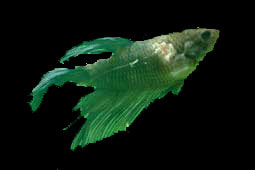
Do not over medicate or under medicate, then change water (preferably before each treatment too).
Another point is a that often a weak, old, or constantly stressed fish (such a Mbuna Cichlid that is at the bottom of the “pecking order” that is constantly harassed), will often be a starting point for opportunistic infections and as hard as it may be to do, removal of these fish which includes putting the fish down (out of his/her misery) is often albeit sadly a must do!
Also note that all the medication in the world will not help if you have not followed the above steps and keep good water conditions.
With this in mind, I strongly urge readers to read this article about the basics of successful fish treatment:
• Fish Diseases | How to Treat Sick Fish
Another point is a that often a weak, old, or constantly stressed fish (such a Mbuna Cichlid that is at the bottom of the “pecking order” that is constantly harassed), will often be a starting point for opportunistic infections and as hard as it may be to do, removal of these fish which includes putting the fish down (out of his/her misery) is often albeit sadly a must do!
Also note that all the medication in the world will not help if you have not followed the above steps and keep good water conditions.
With this in mind, I strongly urge readers to read this article about the basics of successful fish treatment:
• Fish Diseases | How to Treat Sick Fish
Medications to Keep on Hand
• Methylene Blue (Premium AAP Version): This is a must have product to have on hand for use with most fish introductions, disease treatment regimens, etc. I was NEVER without this product!
Even when Methylene Blue may not have much affect on the pathogens harming the fish, the immediate use in a bath or hospital tank can make a BIG difference by its therapeutic affect; think an IV in a person as an analogy. I cannot emphasize more how many times MB was the difference in saving a fish or not in my 1000s of "fish doctor" applications over 3 decades, both with and without.
QUOTE: "Since Methylene blue is a redox dye and raises the oxygen consumption of cells, this causes the hydrogen oxidized to be passed on to the oxygen. Each molecule of the dye is oxidized and reduced about 100 times per second. Thus, while disinfection results from this, methylene blue is also excellent against methemoglobin intoxication. The therapeutic action of methylene blue on bacteria and other parasites is probably due to its binding effect with cytoplasmic structures within the cell and also its interference with oxidation-reduction processes."
Above Quoted/Referenced From:
• Aquarium Medications Part 3; Methylene Blue
For a medicated bath, see link below for instructions:
• How to Perform a Fish Bath, Dip, or Swab
• AAP Merbromin (Wound Control): This has similar uses as to Methylene Blue; however, it also is much more effective for many instances where a swab is called for and it too is a must have product! Merbromin (AAP Wound Control) is the product of choice for wounds, scrapes, and abrasions as well as opportunistic bacterial infections that often result from these problems.
If you ever have an outbreak of Columnaris, in particular if there are lesions that this disease is known for (saddleback, cotton mouth, etc.), this becomes MUST have product. QUOTE: "The effectiveness of Merbromin lies in the fact Merbromin is an organomercuric disodium salt compound and a fluorescein that is effective on external infections because of its permanence, and lethality to bacteria, IN PARTICULAR COLUMNARIS!"
• AAP/SeaChem StressGuard: (Please purchase this product from AAP to continue to support our mission of good aquarium information rather than discounters): A complimentary or possibly alternative product that should also be kept on hand is StressGuard. This product promotes a slime coat via an active colloidal protein agent actively seeks out any wounds, abrasions, or places where exposed proteins are and attaches to this area to help directly deliver the disinfectant in the product and start the healing process. This is a VASTLY superior product than many of the popular old standby products such as Stress Coat, Novaqua, etc.
WHY? Instead of adding "blobs" of aloe, synthetic slimes, etc. like most other products such as the vastly inferior Stress Coat, AAP/SeaChem StressGuard contains protein active colloids. These protein active colloidal agents actively seeks out any wounds, abrasions, or places where exposed proteins are and attaches to this area to help directly deliver the disinfectant in the product and start the healing process.
The exception is not to use with products containing Copper, but even then these products can be added a day after using StressGuard (such as the also highly recommended Medicated Wonder Shells).
Even when Methylene Blue may not have much affect on the pathogens harming the fish, the immediate use in a bath or hospital tank can make a BIG difference by its therapeutic affect; think an IV in a person as an analogy. I cannot emphasize more how many times MB was the difference in saving a fish or not in my 1000s of "fish doctor" applications over 3 decades, both with and without.
QUOTE: "Since Methylene blue is a redox dye and raises the oxygen consumption of cells, this causes the hydrogen oxidized to be passed on to the oxygen. Each molecule of the dye is oxidized and reduced about 100 times per second. Thus, while disinfection results from this, methylene blue is also excellent against methemoglobin intoxication. The therapeutic action of methylene blue on bacteria and other parasites is probably due to its binding effect with cytoplasmic structures within the cell and also its interference with oxidation-reduction processes."
Above Quoted/Referenced From:
• Aquarium Medications Part 3; Methylene Blue
For a medicated bath, see link below for instructions:
• How to Perform a Fish Bath, Dip, or Swab
• AAP Merbromin (Wound Control): This has similar uses as to Methylene Blue; however, it also is much more effective for many instances where a swab is called for and it too is a must have product! Merbromin (AAP Wound Control) is the product of choice for wounds, scrapes, and abrasions as well as opportunistic bacterial infections that often result from these problems.
If you ever have an outbreak of Columnaris, in particular if there are lesions that this disease is known for (saddleback, cotton mouth, etc.), this becomes MUST have product. QUOTE: "The effectiveness of Merbromin lies in the fact Merbromin is an organomercuric disodium salt compound and a fluorescein that is effective on external infections because of its permanence, and lethality to bacteria, IN PARTICULAR COLUMNARIS!"
• AAP/SeaChem StressGuard: (Please purchase this product from AAP to continue to support our mission of good aquarium information rather than discounters): A complimentary or possibly alternative product that should also be kept on hand is StressGuard. This product promotes a slime coat via an active colloidal protein agent actively seeks out any wounds, abrasions, or places where exposed proteins are and attaches to this area to help directly deliver the disinfectant in the product and start the healing process. This is a VASTLY superior product than many of the popular old standby products such as Stress Coat, Novaqua, etc.
WHY? Instead of adding "blobs" of aloe, synthetic slimes, etc. like most other products such as the vastly inferior Stress Coat, AAP/SeaChem StressGuard contains protein active colloids. These protein active colloidal agents actively seeks out any wounds, abrasions, or places where exposed proteins are and attaches to this area to help directly deliver the disinfectant in the product and start the healing process.
The exception is not to use with products containing Copper, but even then these products can be added a day after using StressGuard (such as the also highly recommended Medicated Wonder Shells).
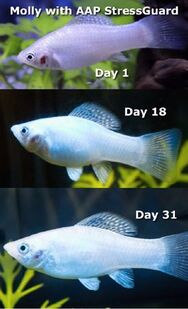
The picture above displays a one-month progression of a Molly where AAP StressGuard was used daily for the first two weeks of therapy to help the fish naturally heal without infection after the gill plate was damaged/missing.
• AAP Quinex, & Sheildex: Similar to StressGuard, except Quinex is also a reducing water conditioner that also removes chlorine from tap water and provides some other unique benefits too such as a medicated bandage.
AAP Quinex is a good choice for a water conditioner when fish have frayed fins or have visible abuse. A most effective product with seven-way action. Quinex detoxifies and conditions water by polymeric complexing (bonding) of metallic ions. Coats the fish with a slippery medicated bandage, balances osmotic processes, removes chlorine, clarifies water and aids in safe shipment of fish. Used in lieu of other water conditioners if medication on the fish is indicated such as after injury or introduction of new fish. Great when used in conjunction of a Medicated Wonder Shell.
My controlled tests showed that Quinex when used as a First Aid (not serious infections) can help heal quicker a fish with injury or fin damage. In a comparison with Stress Coat, no difference was ever observed from use. AAP Quinex is a vastly superior product compared to "Hikari Bio Bandage" as per my professional use.
For injured or sick fish, suggested Quinex use is first netting fish and bringing the fish near the surface, but not out of the water, then using a syringe, eye dropper, or similar to squirt the fish directly with AAP Quinex.
AAP Shieldex is a Vitamin E fortified protective, stress relief and disease preventing slime coat treatment for ALL fish (freshwater/saltwater). Shieldex has a specific use when setting up a new tank. Nitrifying bacteria enjoy clinging to the slime coat it produces. Success in cycling tanks has been achieved by squirting the liquid directly into the filter bed prior to adding water.
Both of these products were ALWAYS part of my "Go Box" during my aquarium maintenance and "Fish Doctor" years.
• Medicated Wonder Shells: Excellent for prevention of many external parasites such as Ich and velvet, these are also useful for fungus/Saprolegnia. Quite bluntly, these are one of the best follow up and preventative treatments available and should be part of any serious aquarium keepers "on hand" arsenal. As well, I strongly recommend using the Medicated Wonder Shell ANYTIME a new fish is added to an existing fish only aquarium. Please note that these are safe for snails when used properly but use with more delicate invertebrates such as many shrimp species, should be avoided.
Medicated Wonder shells are also useful as an in-tank/hospital tank treatment to accompany fish baths using stronger medications. The therapeutic and synergistic effect of Methylene Blue combined with the mineral Cations (among other ingredients) can really make this a useful treatment that any serious fish keeper should always have on hand (see also the Methylene Blue section earlier for reasons of the therapeutic affect).
This product is especially useful when introducing sensitive fish such as Discus (which also often suffer from lack of many minerals that this product also provides). Wonder Shells also come in bowl size. It is also noteworthy, the use of Regular AAP Wonder Shells (even if not used on a regular basis) be included during any treatment since AAP Wonder Shells are a proven way to increase essential mineral cations that fish need even more during times of stress or disease.
Reference:
• Aquarium Chemistry - Depletion of Positive Ions
Medicated Wonder Shells can also be combined with AAP AAP "Yellow Powder", Premium Nitrofurazone (better than Furan 2) to make a very strong treatment that is very broad spectrum.
• Super Ich Plus (strongest, but not for delicate fish) or ParaGuard: Super Ich can used at half dose and may combined with Sulfathiazole for malachite green sensitive fish. SeaChem ParaGuard makes an excellent substitute for more sensitive fish and more recent tests have shown this to be one of the more effective Ich/external parasite treatments available today. ParaGuard or Super Ich Plus can also be combined with AAP Furan 2 & Kanaplex for "last resort" very strong treatment when multiple problems exist.
• AAP Nitrofuracin Green: Excellent for newly arrived fish in quarantine situations. Also good for healing wounds and ammonia burn on newly arriving fish. Works well for sores on fish in Koi ponds. This product is wide spectrum and is: Anti- microbial, anti- protozoan, anti-bacterial, anti-fungal.
• AAP "Yellow Powder", Premium Nitrofurazone: (Furan 2 is similar but not as effective or the same quality and requires many more doses). Excellent for lower ph applications for gram negative and some gram-positive infections. Can be combined with Malachite Green formulations for cold water fish disease such as Furunculosis. As well AAP Yellow Powder can be combined with AAP Kanaplex (Kanamycin)
• Metronidazole: A unique internal and external anti parasite treatment that also has anti-bacterial properties (especially internal bacterial issues of the gut).
• AAP Sulfaplex: Sulfathiazole is often a useful standby that can work when other fail and is especially helpful when used with Malachite Green formulations such as Super Ich with more delicate fish and to prevent secondary infections.
• Pimafix: An albeit mild herbal gram negative anti-bacterial and anti-fungal for early-stage treatment (generally not full-blown diseases). A MAYBE treatment to have on hand.
• Melafix: The cousin treatment to Pimafix which is more gram positive and generally less effective, however it is still useful to have on hand to combine with Pimafix or to treat just by itself usually in the case of fish injuries or ulcers, especially in pond fish. The best way to think of Melafix is as a treatment used like you would Neosporin for a wound in humans, except that Melafix is used in the water.
The best way to use either product is often combined and even then, only as a first response and then for mild infections, NOT full-blown infections! I would also consider this a MAYBE to keep on hand as its usefulness is over-rated!
• AAP Eye Fungex (Silver Nitrate/Potassium Dichromate): This is a product combination I always had in my aquarium maintenance "sick fish" tool kit when out on calls for clients. While I did not use it nearly as often as many other treatment "tools", it was invaluable and the only truly effective treatment when the eye infection was the primary issue (although Merbromin was often helpful too), but not as effective (albeit still useful) when the eye infection was more of a symptom of another disease/issue.
• AAP Naladin (Naladixic Acid): This is a product that is not as likely to be used, but when it is called for, it is often the ONLY treatment I've found to work, which is why it should be part of your fish medication "stockpile". For Neon, Cardinal and Tetra Disease, Naladin IS THE treatment of choice! As well, erratic swimming and whirling. Finally, Naladin is often a good last resort treatment for unexplained death in all fish, especially Livebearers, Cichlids & Tetras
• Sodium Chloride (plain salt) and Epsom Salts: Sodium chloride will help with osmotic function in your display aquarium and Epsom salts (best used in a hospital tank) are also helpful for improving osmotic function (in diseases such as Dropsy.
See these articles for more:
• Use of Salt in Freshwater Aquariums
• Proper Osmotic Function
For Livebearers and especially for Brackish fish, I recommend the use of Marine Salt for "in-tank" use.
For the "best of the best", being pharmaceutical grade and more bio-available, I recommend AAP-Tropic Marin Marine Reef Salt
Product Resource:
• APP-Tropic Marin Marine Reef Salt (sold by pound)
• AAP Neoplex/Neomycin: This is a “maybe” medication to keep on hand, I find its uses a little more limited, however it can be very useful for diseases of the digestive tract due to some of its properties.
It is also noteworthy that Neosporin or similar (such as Generic Triple Antibiotic Ointments) can be used to directly rub onto fish wounds provided this can be done without adding more injury to the fish.
• AAP/SeaChem PolyGuard: This is a newer wide spectrum medication that treats external parasites, fungus, & many mild to moderate bacterial issues with a little more emphasis on external parasitic issues and secondary issues caused by external parasites.
Please also remember to support the provider of largest FREE Aquarium/Pond information library ANYWHERE on the Internet before you utilize this information to purchase at Amazon, eBay or elsewhere. The provider is American Aquarium Products who also owns the "Aquarium/Pond Answers" website as well as sponsoring the excellent "Fish Beginner" website.
For more information about Aquarium Medications, please see this article:
• AQUARIUM MEDICATIONS, treatments, how they work, and which ones to use and not to use
• AAP Quinex, & Sheildex: Similar to StressGuard, except Quinex is also a reducing water conditioner that also removes chlorine from tap water and provides some other unique benefits too such as a medicated bandage.
AAP Quinex is a good choice for a water conditioner when fish have frayed fins or have visible abuse. A most effective product with seven-way action. Quinex detoxifies and conditions water by polymeric complexing (bonding) of metallic ions. Coats the fish with a slippery medicated bandage, balances osmotic processes, removes chlorine, clarifies water and aids in safe shipment of fish. Used in lieu of other water conditioners if medication on the fish is indicated such as after injury or introduction of new fish. Great when used in conjunction of a Medicated Wonder Shell.
My controlled tests showed that Quinex when used as a First Aid (not serious infections) can help heal quicker a fish with injury or fin damage. In a comparison with Stress Coat, no difference was ever observed from use. AAP Quinex is a vastly superior product compared to "Hikari Bio Bandage" as per my professional use.
For injured or sick fish, suggested Quinex use is first netting fish and bringing the fish near the surface, but not out of the water, then using a syringe, eye dropper, or similar to squirt the fish directly with AAP Quinex.
AAP Shieldex is a Vitamin E fortified protective, stress relief and disease preventing slime coat treatment for ALL fish (freshwater/saltwater). Shieldex has a specific use when setting up a new tank. Nitrifying bacteria enjoy clinging to the slime coat it produces. Success in cycling tanks has been achieved by squirting the liquid directly into the filter bed prior to adding water.
Both of these products were ALWAYS part of my "Go Box" during my aquarium maintenance and "Fish Doctor" years.
• Medicated Wonder Shells: Excellent for prevention of many external parasites such as Ich and velvet, these are also useful for fungus/Saprolegnia. Quite bluntly, these are one of the best follow up and preventative treatments available and should be part of any serious aquarium keepers "on hand" arsenal. As well, I strongly recommend using the Medicated Wonder Shell ANYTIME a new fish is added to an existing fish only aquarium. Please note that these are safe for snails when used properly but use with more delicate invertebrates such as many shrimp species, should be avoided.
Medicated Wonder shells are also useful as an in-tank/hospital tank treatment to accompany fish baths using stronger medications. The therapeutic and synergistic effect of Methylene Blue combined with the mineral Cations (among other ingredients) can really make this a useful treatment that any serious fish keeper should always have on hand (see also the Methylene Blue section earlier for reasons of the therapeutic affect).
This product is especially useful when introducing sensitive fish such as Discus (which also often suffer from lack of many minerals that this product also provides). Wonder Shells also come in bowl size. It is also noteworthy, the use of Regular AAP Wonder Shells (even if not used on a regular basis) be included during any treatment since AAP Wonder Shells are a proven way to increase essential mineral cations that fish need even more during times of stress or disease.
Reference:
• Aquarium Chemistry - Depletion of Positive Ions
Medicated Wonder Shells can also be combined with AAP AAP "Yellow Powder", Premium Nitrofurazone (better than Furan 2) to make a very strong treatment that is very broad spectrum.
• Super Ich Plus (strongest, but not for delicate fish) or ParaGuard: Super Ich can used at half dose and may combined with Sulfathiazole for malachite green sensitive fish. SeaChem ParaGuard makes an excellent substitute for more sensitive fish and more recent tests have shown this to be one of the more effective Ich/external parasite treatments available today. ParaGuard or Super Ich Plus can also be combined with AAP Furan 2 & Kanaplex for "last resort" very strong treatment when multiple problems exist.
• AAP Nitrofuracin Green: Excellent for newly arrived fish in quarantine situations. Also good for healing wounds and ammonia burn on newly arriving fish. Works well for sores on fish in Koi ponds. This product is wide spectrum and is: Anti- microbial, anti- protozoan, anti-bacterial, anti-fungal.
• AAP "Yellow Powder", Premium Nitrofurazone: (Furan 2 is similar but not as effective or the same quality and requires many more doses). Excellent for lower ph applications for gram negative and some gram-positive infections. Can be combined with Malachite Green formulations for cold water fish disease such as Furunculosis. As well AAP Yellow Powder can be combined with AAP Kanaplex (Kanamycin)
• Metronidazole: A unique internal and external anti parasite treatment that also has anti-bacterial properties (especially internal bacterial issues of the gut).
• AAP Sulfaplex: Sulfathiazole is often a useful standby that can work when other fail and is especially helpful when used with Malachite Green formulations such as Super Ich with more delicate fish and to prevent secondary infections.
• Pimafix: An albeit mild herbal gram negative anti-bacterial and anti-fungal for early-stage treatment (generally not full-blown diseases). A MAYBE treatment to have on hand.
• Melafix: The cousin treatment to Pimafix which is more gram positive and generally less effective, however it is still useful to have on hand to combine with Pimafix or to treat just by itself usually in the case of fish injuries or ulcers, especially in pond fish. The best way to think of Melafix is as a treatment used like you would Neosporin for a wound in humans, except that Melafix is used in the water.
The best way to use either product is often combined and even then, only as a first response and then for mild infections, NOT full-blown infections! I would also consider this a MAYBE to keep on hand as its usefulness is over-rated!
• AAP Eye Fungex (Silver Nitrate/Potassium Dichromate): This is a product combination I always had in my aquarium maintenance "sick fish" tool kit when out on calls for clients. While I did not use it nearly as often as many other treatment "tools", it was invaluable and the only truly effective treatment when the eye infection was the primary issue (although Merbromin was often helpful too), but not as effective (albeit still useful) when the eye infection was more of a symptom of another disease/issue.
• AAP Naladin (Naladixic Acid): This is a product that is not as likely to be used, but when it is called for, it is often the ONLY treatment I've found to work, which is why it should be part of your fish medication "stockpile". For Neon, Cardinal and Tetra Disease, Naladin IS THE treatment of choice! As well, erratic swimming and whirling. Finally, Naladin is often a good last resort treatment for unexplained death in all fish, especially Livebearers, Cichlids & Tetras
• Sodium Chloride (plain salt) and Epsom Salts: Sodium chloride will help with osmotic function in your display aquarium and Epsom salts (best used in a hospital tank) are also helpful for improving osmotic function (in diseases such as Dropsy.
See these articles for more:
• Use of Salt in Freshwater Aquariums
• Proper Osmotic Function
For Livebearers and especially for Brackish fish, I recommend the use of Marine Salt for "in-tank" use.
For the "best of the best", being pharmaceutical grade and more bio-available, I recommend AAP-Tropic Marin Marine Reef Salt
Product Resource:
• APP-Tropic Marin Marine Reef Salt (sold by pound)
• AAP Neoplex/Neomycin: This is a “maybe” medication to keep on hand, I find its uses a little more limited, however it can be very useful for diseases of the digestive tract due to some of its properties.
It is also noteworthy that Neosporin or similar (such as Generic Triple Antibiotic Ointments) can be used to directly rub onto fish wounds provided this can be done without adding more injury to the fish.
• AAP/SeaChem PolyGuard: This is a newer wide spectrum medication that treats external parasites, fungus, & many mild to moderate bacterial issues with a little more emphasis on external parasitic issues and secondary issues caused by external parasites.
Please also remember to support the provider of largest FREE Aquarium/Pond information library ANYWHERE on the Internet before you utilize this information to purchase at Amazon, eBay or elsewhere. The provider is American Aquarium Products who also owns the "Aquarium/Pond Answers" website as well as sponsoring the excellent "Fish Beginner" website.
For more information about Aquarium Medications, please see this article:
• AQUARIUM MEDICATIONS, treatments, how they work, and which ones to use and not to use
Fish From Reputable Source
This cannot be emphasized more, yet is quite simple, if you continue to have problems with a current source from your fish, try another (maybe you can get a good recommendation from a friend, etc.) If you find a good source, stick with it, even if the price is higher.
This is one of the more basic points in disease prevention/aquarium success yet is one I have found many aquarium keepers constantly ignore.
This is one of the more basic points in disease prevention/aquarium success yet is one I have found many aquarium keepers constantly ignore.
Quarantine, Baths, & Dips
This is also an important step that both retailers and retail buyers of fish often miss the importance there-of.
The quarantine or at least bath/dip method of acclimation can prevent the many ectoparasites that are often present on fish brought in by retailers from large fish farms. This includes Ich, Monogeneans & Trematode Flukes & many more. There is also often a high incidence of internal parasites such as many Nematodes (worms) found in imported fish from these large fish farms. These are more difficult to prevent, although medicated diets (such as those containing Metronidazole) can be effective, as well medicated baths (with salt, Metronidazole, Methylene Blue) can help somewhat as well.
Further Information:
• Treatment, Identification, and Prevention of common Aquarium Fish Parasites
Please see this study that verifies the importance of Quarantines or Acclimation Baths/Dips:
• Parasitic infections in live freshwater tropical fishes
NEW ARRIVALS/ACCLIMATION: Whether simple acclimation or more advanced acclimation is used, this process is important even if your source for fish were 100% disease free (which none is), as the stress of pH changes, ammonia build up in the shipping bag, and more can causes stresses that add considerably to the chances your new fish will come down with a disease, OR WORSE; become ground zero for a new disease outbreak that infects your entire tank! The point is, this is an important step of aquarium disease prevention and should NEVER be ignored!
Simple Acclimation: For fish just moved a short distance such as your local fish/aquarium store to your home or office): Make sure all the fish in the aquarium are healthy (if the fish store has a centralized system [which I do not recommend, but most do nowadays], check ALL the aquariums).
Float your fish in the bag for 30-60 minutes for temperature and osmotic stabilization, then open the bag and SLOWLY add your aquarium water to the bag, a little at a time during this time period.
I also like to add a drop or two of Methylene Blue at this time (Methylene Blue is very difficult to overdose, so exact amounts are not as important as other medications/treatments). Metronidazole or ParaGuard can be added during this acclimation time (Metronidazole can be safely double dosed for this short time, however ParaGuard should be used at normal dose or only half dose for sensitive fish). An excellent product that can be used for both a bath and "in bag" treatment that combines Methylene Blue, salts, as well as Sulfas and Nitrofurazone is AAP Nitrofuracin Green. Best use for this purpose is one measure (measuring spoon is included) per 5 gallons of fish water.
Another alternative treatment to add to the fish bag or acclimation container is "AAP/Kordon Fish Therapy Curative Bath". This is an all-natural fish bath containing natural therapeutic oils (including citrus, neem, and lavender oils), and aloe vera. It is noteworthy that Neem is both anti-parasitic (used in pet flea remedies) and anti-bacterial. Do not combine this with Methylene blue or other chemical treatments, either use "Fish Therapy Curative Bath" or the previously mentioned products during the acclimation process to prevent disease.
Product Resources:
• AAP Nitrofuracin Green
• SeaChem ParaGuard Ich, Fungus Treatment, Prevention
• Metronidazole from AAP
• AAP MethyBlu Premium Concentrated Methylene Blue (recommended)
Further Information about Methylene Blue and its uses:
• Aquarium Medication Information Part 3; Methylene Blue
Dispose of the water in the bag to avoid contamination. Add a shock preventative that adds electrolytes and/or a slime coat such as Start Right, Prime, AAP Shieldex, AAP Res-Q, etc.
Product Resources:
• AAP Res-Q
• SeaChem Prime from AAP
If a quarantine tank is not used (as is often this is not possible for most aquarium keepers), the use of a preventative treatment in the display tank after adding the new fish is advisable. The Medicated Wonder Shell is very useful for this; however, the use of half doses of ParaGuard, AAP Super Ich Plus, or similar products can also be helpful (although not quite as wide spectrum).
Additional Marine Fish Acclimation Info: Besides the above, I ALWAYS at minimum provide a 3–5-minute pure freshwater dip (acclimated with marine buffers to the correct pH/KH to prevent stress)
This is 90% effective for prevention of Cryptocaryon and Oodinium. Consider the more advanced quarantine below.
Advanced Acclimation: Better or for fish shipped over longer time periods (such as fish purchased online or from overseas breeders, etc.).
You need to be even more careful in the acclimation process. Depending on the care given to the fish you are receiving (whether fresh or saltwater), this can take up to a few hours. The usual problems for fish that have spent more than 4 hours in shipping is ammonia/nitrite toxicity and CO2 buildup which results in much lower pH than the water originally shipped in. Once the shipping bag is opened there will be “gassing out” of CO2 resulting in rapid increases in pH which can stress or even kill fish that are already stressed very quickly.
To address this, the shipping bag should only be opened just enough to allow a drip tube so as to slowly drip water from the display (or whatever aquarium will be receiving the new fish) at a rate of a drop every few seconds. Adding a small amount of SeaChem/AAP Prime to this process can also help with any ammonium to ammonia conversion that may arise from the CO2 gassing out.
Be wary though of using products that might help in one way but hurt in another. A good example is the use of "The Poly Pad" or SeaChem Purigen. While I am not necessarily advocating against these products under normal aquarium circumstances, these are oxidizers and using these for ammonia removal during a time of stress is the last thing you want to do based on my experience, since you would want a more reducing Redox during this acclimation period.
A much better suggestion that I have used (& strongly recommend) that addressed the Redox issue (as per Cations) is an AAP Small Wonder Shell or fragment of a larger WS (or similar reducing agent if anything would be a better idea during this time).
Reference:
• Aquarium Redox
I usually place the bag in a bucket/tub of aquarium water so as to slowly temperature adjust and allow for gravity dripping of the water (I use an airline valve to adjust the drip). If air temperature in the room is much more than 10 degrees Fahrenheit cooler than the bucket being used for this drip acclimation, the use of a Hydor 7.5-watt UG Heater can solve any issues of degrading temperature during this process (or the 15-watt model for full buckets). However, if the temperature is only slightly less, do not be overly concerned as the slightly cooler temperature is actually calming.
I will also add a dose of Methylene Blue as per water volume for ammonia/nitrite toxicity (brown blood syndrome) to the water during this slow acclimation time. This is an important step for fish any fish, but more important for fish shipped over long distances.
After a few hours, I will add the fish to the quarantine tank if available, otherwise the main holding tank/aquarium. If a quarantine tank is used, I will follow up with a Medicated Wonder Shells for further disease prevention and Redox Balance. If the fish goes into the main aquarium (which is usually the case), I will still generally add the Medicated Wonder Shell but for most planted aquariums.
Product Resources:
• Lees Air Line Control Valve
• Hydor UG Heaters (these are safe in low water environments, unlike glass heaters)
The quarantine or at least bath/dip method of acclimation can prevent the many ectoparasites that are often present on fish brought in by retailers from large fish farms. This includes Ich, Monogeneans & Trematode Flukes & many more. There is also often a high incidence of internal parasites such as many Nematodes (worms) found in imported fish from these large fish farms. These are more difficult to prevent, although medicated diets (such as those containing Metronidazole) can be effective, as well medicated baths (with salt, Metronidazole, Methylene Blue) can help somewhat as well.
Further Information:
• Treatment, Identification, and Prevention of common Aquarium Fish Parasites
Please see this study that verifies the importance of Quarantines or Acclimation Baths/Dips:
• Parasitic infections in live freshwater tropical fishes
NEW ARRIVALS/ACCLIMATION: Whether simple acclimation or more advanced acclimation is used, this process is important even if your source for fish were 100% disease free (which none is), as the stress of pH changes, ammonia build up in the shipping bag, and more can causes stresses that add considerably to the chances your new fish will come down with a disease, OR WORSE; become ground zero for a new disease outbreak that infects your entire tank! The point is, this is an important step of aquarium disease prevention and should NEVER be ignored!
Simple Acclimation: For fish just moved a short distance such as your local fish/aquarium store to your home or office): Make sure all the fish in the aquarium are healthy (if the fish store has a centralized system [which I do not recommend, but most do nowadays], check ALL the aquariums).
Float your fish in the bag for 30-60 minutes for temperature and osmotic stabilization, then open the bag and SLOWLY add your aquarium water to the bag, a little at a time during this time period.
I also like to add a drop or two of Methylene Blue at this time (Methylene Blue is very difficult to overdose, so exact amounts are not as important as other medications/treatments). Metronidazole or ParaGuard can be added during this acclimation time (Metronidazole can be safely double dosed for this short time, however ParaGuard should be used at normal dose or only half dose for sensitive fish). An excellent product that can be used for both a bath and "in bag" treatment that combines Methylene Blue, salts, as well as Sulfas and Nitrofurazone is AAP Nitrofuracin Green. Best use for this purpose is one measure (measuring spoon is included) per 5 gallons of fish water.
Another alternative treatment to add to the fish bag or acclimation container is "AAP/Kordon Fish Therapy Curative Bath". This is an all-natural fish bath containing natural therapeutic oils (including citrus, neem, and lavender oils), and aloe vera. It is noteworthy that Neem is both anti-parasitic (used in pet flea remedies) and anti-bacterial. Do not combine this with Methylene blue or other chemical treatments, either use "Fish Therapy Curative Bath" or the previously mentioned products during the acclimation process to prevent disease.
Product Resources:
• AAP Nitrofuracin Green
• SeaChem ParaGuard Ich, Fungus Treatment, Prevention
• Metronidazole from AAP
• AAP MethyBlu Premium Concentrated Methylene Blue (recommended)
Further Information about Methylene Blue and its uses:
• Aquarium Medication Information Part 3; Methylene Blue
Dispose of the water in the bag to avoid contamination. Add a shock preventative that adds electrolytes and/or a slime coat such as Start Right, Prime, AAP Shieldex, AAP Res-Q, etc.
Product Resources:
• AAP Res-Q
• SeaChem Prime from AAP
If a quarantine tank is not used (as is often this is not possible for most aquarium keepers), the use of a preventative treatment in the display tank after adding the new fish is advisable. The Medicated Wonder Shell is very useful for this; however, the use of half doses of ParaGuard, AAP Super Ich Plus, or similar products can also be helpful (although not quite as wide spectrum).
Additional Marine Fish Acclimation Info: Besides the above, I ALWAYS at minimum provide a 3–5-minute pure freshwater dip (acclimated with marine buffers to the correct pH/KH to prevent stress)
This is 90% effective for prevention of Cryptocaryon and Oodinium. Consider the more advanced quarantine below.
Advanced Acclimation: Better or for fish shipped over longer time periods (such as fish purchased online or from overseas breeders, etc.).
You need to be even more careful in the acclimation process. Depending on the care given to the fish you are receiving (whether fresh or saltwater), this can take up to a few hours. The usual problems for fish that have spent more than 4 hours in shipping is ammonia/nitrite toxicity and CO2 buildup which results in much lower pH than the water originally shipped in. Once the shipping bag is opened there will be “gassing out” of CO2 resulting in rapid increases in pH which can stress or even kill fish that are already stressed very quickly.
To address this, the shipping bag should only be opened just enough to allow a drip tube so as to slowly drip water from the display (or whatever aquarium will be receiving the new fish) at a rate of a drop every few seconds. Adding a small amount of SeaChem/AAP Prime to this process can also help with any ammonium to ammonia conversion that may arise from the CO2 gassing out.
Be wary though of using products that might help in one way but hurt in another. A good example is the use of "The Poly Pad" or SeaChem Purigen. While I am not necessarily advocating against these products under normal aquarium circumstances, these are oxidizers and using these for ammonia removal during a time of stress is the last thing you want to do based on my experience, since you would want a more reducing Redox during this acclimation period.
A much better suggestion that I have used (& strongly recommend) that addressed the Redox issue (as per Cations) is an AAP Small Wonder Shell or fragment of a larger WS (or similar reducing agent if anything would be a better idea during this time).
Reference:
• Aquarium Redox
I usually place the bag in a bucket/tub of aquarium water so as to slowly temperature adjust and allow for gravity dripping of the water (I use an airline valve to adjust the drip). If air temperature in the room is much more than 10 degrees Fahrenheit cooler than the bucket being used for this drip acclimation, the use of a Hydor 7.5-watt UG Heater can solve any issues of degrading temperature during this process (or the 15-watt model for full buckets). However, if the temperature is only slightly less, do not be overly concerned as the slightly cooler temperature is actually calming.
I will also add a dose of Methylene Blue as per water volume for ammonia/nitrite toxicity (brown blood syndrome) to the water during this slow acclimation time. This is an important step for fish any fish, but more important for fish shipped over long distances.
After a few hours, I will add the fish to the quarantine tank if available, otherwise the main holding tank/aquarium. If a quarantine tank is used, I will follow up with a Medicated Wonder Shells for further disease prevention and Redox Balance. If the fish goes into the main aquarium (which is usually the case), I will still generally add the Medicated Wonder Shell but for most planted aquariums.
Product Resources:
• Lees Air Line Control Valve
• Hydor UG Heaters (these are safe in low water environments, unlike glass heaters)
Obviously, time in shipment, amount of food in the fish’ gut at time of shipment, amount of fish and air in the bag will all affect how stressed the fish will be upon arrival especially as per CO2, ammonia/nitrites.
I should note that Kordon makes a “breathable” shipping bag that had quite an internet “buzz” going at one time, however my interviews with several international shippers gives a mostly thumbs down to this product.
Here are a few points (+ or -) about this bag:
+ The bags allow oxygen and CO2 exchange which also lowers pH shock upon arrival.
+ Lowers size of shipping container as NO air needs to be added to the bag.
- The bags rupture easily; many shippers have told me that bag ruptures are triple normal.
- They still do not aid with ammonia/nitrites.
- If bags come in contact with each other, they do not work well and packing them for the inevitable rough handling of shipping is nearly impossible or at least very time consuming.
- The bags do poorly with multiple fish per bag, in part because the bags are designed to hold small amounts of water so that fish can come close to the sides of the bags which multiple fish per bags usually does not allow.
- Higher cost.
- The bottom line is that the shippers I asked reported HIGHER losses with these bags. Do not get me wrong, I think these are a unique idea, especially for smaller individual shipments, however based on my discussions with real world shippers that do not work well.
Cross Contamination of Equipment: As an aquarium maintenance professional for a few decades, this was a major concern and should be for any aquarium keeper who has more than one aquarium. This becomes even more acute when one adds new fish to one tank/aquarium that this aquarium and any others do not come in contact in any way.
Steps to take (All are Important):
• Wash your hands with soap and rinse well between each tank.
• Soak all nets, scrubbers, or any other cleaning tools in Potassium Permanganate, Hydrogen Peroxide, or in particular bleach if known problems exist.
• Generally, 15 minutes in a 5 to 1 dilution of bleach or Potassium Permanganate or full strength of Hydrogen Peroxide will work.
• Soak and rinse this same equipment in any chlorine removing water conditioner (such as SeaChem Prime) prior to use after these soaks.
• Store Equipment in a DRY location.
QUARANTINE OR HOSPITAL TANKS: If possible, a quarantine or baths are good disease transfer preventative steps.
For a quarantine tank I recommend as large and aquarium as space allows for this, generally at least a 10 gallon (although this is not always possible and even a sterile 5-gallon bucket or Rubbermaid type container can work if need be). Having this tank running constantly OR at least adding aged filter media is very important so as to not have ammonia spikes that will defeat the purpose of quarantine.
I recommend a bare tank with a seasoned high-capacity Sponge Filter such as the AAP Hydro Sponge Filter. Running this sponge filter with an air pump is recommended over a power head water pump as the air pump method will provide a gentler current that is generally less stressful to new fish. After use of any treatment a bag of activated carbon can be placed under the base of the Sponge Filter for help in removal of medication.
Reference:
• Sponge Filter Use Information
A saltwater quarantine tank for prevention or treatment may be set using live rock and an air stone for bio filtration.
Product Resource:
• AAP Hydro Sponge Premium High Bio Capacity Aquarium Sponge Filters
It is important to note that when quarantine tanks/hospital tanks are employed that I have aquarists inadvertently cause more stress using this quarantine/hospital due to high ammonia/nitrite levels which is why I strongly recommend keeping a running sponge filter or similar for your quarantine/hospital tank.
Simply moving a seasoned sponge filters or a piece or two of live rock from your display tank (for saltwater) is often all is required. If Methylene Blue is used, this may temporarily destroy your bacteria in your bio filter or live rock, however this is still a minor price to pay so as to not add further stress from high ammonia/nitrites, especially when the quarantine lasts more than 48 hours.
For treatment I recommend a Medicated Wonder Shell OR (not “and”) Methylene Blue combined with a Malachite Green products such as ParaGuard (use MG at half dose). For delicate fish, the Medicated Wonder Shell would be my choice since medications within the shell are introduced more slowly and this product also helps maintain a better Redox balance (which helps with fish immunity). Monitor ammonia and other parameters (make sure there are no pH swings) while the fish are in quarantine.
Generally, if your fish come from a good source 48 hours is enough, however up to a week up to six weeks may be needed for delicate or disease prone fish.
Metronidazole can be added to either the MB/ParaGuard method or Wonder Shell for added Trematode, Nematode, Monogenean Parasite prevention.
Product Resources:
• SeaChem ParaGuard Ich, Fungus Treatment, Prevention
• Methylene Blue at AAP
• Medicated Wonder Shells
• SeaChem Metrononidazole; Parasite, Anaerobic Bacteria Treatment
Finally, it is important to cover this quarantine or hospital tank with a towel or similar so as to keep in near total darkness. What this achieves is to calm fish, lowering stress which in fact speeds recovery and/or allows for better disease prevention of new fish arrivals in quarantine.
I also have a theory as to why keeping a hospital tank in the dark often helps considerably (sometimes even main display aquarium); Fish instinctually hide and get stressed for their own fear of being harmed or even killed by other aquatic inhabitants. This then causes fish to often get even more sick from this stress. By calming the fish, both the medications and the fish' own natural defenses can work together for a more quick recovery or sometimes recovery itself when just using medications fails.
Baths: Often a quarantine tank is not possible or practical (as in my aquarium maintenance business). This is where a 30–45-minute bath is very useful for BOTH freshwater and saltwater. I would make sure to adjust pH so that there is no pH shock, especially for saltwater fish.
A bath can be performed in as little as 1 quart of water (or even less) or in a 1 gallon Rubbermaid (or similar) container or a small BARE tank (not gravel, décor though). I generally use a 1 quart pitcher with ½ teaspoon of salt and several drops of MB (I also recommend rubber gloves and old towels, rags, paper, etc spread around since Methylene Blue is messy and stains).
For freshwater I would add Methylene Blue at double normal tank treatment strength (as per bottle instructions) then add salt (NaCl) at about 1 teaspoon per gallon (Epsom Salts can also be uses at 1/4 teaspoon per gallon in baths used for treatment, especially in cases of bloat, water retention, selling, etc.).
The salt (regular salt; NaCl) can be increased for difficult treatments, especially with salt tolerant fish such as livebearers (it is best to slowly add dissolved salt to increase levels gently in salt amounts over 3 teaspoons per gallon, even in salt tolerant fish). Generally for most fish (even catfish based on University of Florida studies) 2 teaspoons per gallon can be tolerated for up to 30 minutes (many fish can tolerate 4 teaspoons per gallon), although if unsure about your fish’ tolerance, gradually add the salt via a dissolved solution during the first half of the bath.
I should note that Kordon makes a “breathable” shipping bag that had quite an internet “buzz” going at one time, however my interviews with several international shippers gives a mostly thumbs down to this product.
Here are a few points (+ or -) about this bag:
+ The bags allow oxygen and CO2 exchange which also lowers pH shock upon arrival.
+ Lowers size of shipping container as NO air needs to be added to the bag.
- The bags rupture easily; many shippers have told me that bag ruptures are triple normal.
- They still do not aid with ammonia/nitrites.
- If bags come in contact with each other, they do not work well and packing them for the inevitable rough handling of shipping is nearly impossible or at least very time consuming.
- The bags do poorly with multiple fish per bag, in part because the bags are designed to hold small amounts of water so that fish can come close to the sides of the bags which multiple fish per bags usually does not allow.
- Higher cost.
- The bottom line is that the shippers I asked reported HIGHER losses with these bags. Do not get me wrong, I think these are a unique idea, especially for smaller individual shipments, however based on my discussions with real world shippers that do not work well.
Cross Contamination of Equipment: As an aquarium maintenance professional for a few decades, this was a major concern and should be for any aquarium keeper who has more than one aquarium. This becomes even more acute when one adds new fish to one tank/aquarium that this aquarium and any others do not come in contact in any way.
Steps to take (All are Important):
• Wash your hands with soap and rinse well between each tank.
• Soak all nets, scrubbers, or any other cleaning tools in Potassium Permanganate, Hydrogen Peroxide, or in particular bleach if known problems exist.
• Generally, 15 minutes in a 5 to 1 dilution of bleach or Potassium Permanganate or full strength of Hydrogen Peroxide will work.
• Soak and rinse this same equipment in any chlorine removing water conditioner (such as SeaChem Prime) prior to use after these soaks.
• Store Equipment in a DRY location.
QUARANTINE OR HOSPITAL TANKS: If possible, a quarantine or baths are good disease transfer preventative steps.
For a quarantine tank I recommend as large and aquarium as space allows for this, generally at least a 10 gallon (although this is not always possible and even a sterile 5-gallon bucket or Rubbermaid type container can work if need be). Having this tank running constantly OR at least adding aged filter media is very important so as to not have ammonia spikes that will defeat the purpose of quarantine.
I recommend a bare tank with a seasoned high-capacity Sponge Filter such as the AAP Hydro Sponge Filter. Running this sponge filter with an air pump is recommended over a power head water pump as the air pump method will provide a gentler current that is generally less stressful to new fish. After use of any treatment a bag of activated carbon can be placed under the base of the Sponge Filter for help in removal of medication.
Reference:
• Sponge Filter Use Information
A saltwater quarantine tank for prevention or treatment may be set using live rock and an air stone for bio filtration.
Product Resource:
• AAP Hydro Sponge Premium High Bio Capacity Aquarium Sponge Filters
It is important to note that when quarantine tanks/hospital tanks are employed that I have aquarists inadvertently cause more stress using this quarantine/hospital due to high ammonia/nitrite levels which is why I strongly recommend keeping a running sponge filter or similar for your quarantine/hospital tank.
Simply moving a seasoned sponge filters or a piece or two of live rock from your display tank (for saltwater) is often all is required. If Methylene Blue is used, this may temporarily destroy your bacteria in your bio filter or live rock, however this is still a minor price to pay so as to not add further stress from high ammonia/nitrites, especially when the quarantine lasts more than 48 hours.
For treatment I recommend a Medicated Wonder Shell OR (not “and”) Methylene Blue combined with a Malachite Green products such as ParaGuard (use MG at half dose). For delicate fish, the Medicated Wonder Shell would be my choice since medications within the shell are introduced more slowly and this product also helps maintain a better Redox balance (which helps with fish immunity). Monitor ammonia and other parameters (make sure there are no pH swings) while the fish are in quarantine.
Generally, if your fish come from a good source 48 hours is enough, however up to a week up to six weeks may be needed for delicate or disease prone fish.
Metronidazole can be added to either the MB/ParaGuard method or Wonder Shell for added Trematode, Nematode, Monogenean Parasite prevention.
Product Resources:
• SeaChem ParaGuard Ich, Fungus Treatment, Prevention
• Methylene Blue at AAP
• Medicated Wonder Shells
• SeaChem Metrononidazole; Parasite, Anaerobic Bacteria Treatment
Finally, it is important to cover this quarantine or hospital tank with a towel or similar so as to keep in near total darkness. What this achieves is to calm fish, lowering stress which in fact speeds recovery and/or allows for better disease prevention of new fish arrivals in quarantine.
I also have a theory as to why keeping a hospital tank in the dark often helps considerably (sometimes even main display aquarium); Fish instinctually hide and get stressed for their own fear of being harmed or even killed by other aquatic inhabitants. This then causes fish to often get even more sick from this stress. By calming the fish, both the medications and the fish' own natural defenses can work together for a more quick recovery or sometimes recovery itself when just using medications fails.
Baths: Often a quarantine tank is not possible or practical (as in my aquarium maintenance business). This is where a 30–45-minute bath is very useful for BOTH freshwater and saltwater. I would make sure to adjust pH so that there is no pH shock, especially for saltwater fish.
A bath can be performed in as little as 1 quart of water (or even less) or in a 1 gallon Rubbermaid (or similar) container or a small BARE tank (not gravel, décor though). I generally use a 1 quart pitcher with ½ teaspoon of salt and several drops of MB (I also recommend rubber gloves and old towels, rags, paper, etc spread around since Methylene Blue is messy and stains).
For freshwater I would add Methylene Blue at double normal tank treatment strength (as per bottle instructions) then add salt (NaCl) at about 1 teaspoon per gallon (Epsom Salts can also be uses at 1/4 teaspoon per gallon in baths used for treatment, especially in cases of bloat, water retention, selling, etc.).
The salt (regular salt; NaCl) can be increased for difficult treatments, especially with salt tolerant fish such as livebearers (it is best to slowly add dissolved salt to increase levels gently in salt amounts over 3 teaspoons per gallon, even in salt tolerant fish). Generally for most fish (even catfish based on University of Florida studies) 2 teaspoons per gallon can be tolerated for up to 30 minutes (many fish can tolerate 4 teaspoons per gallon), although if unsure about your fish’ tolerance, gradually add the salt via a dissolved solution during the first half of the bath.
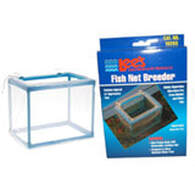
A few more tips: I also recommend keeping the “bath” container in a location that does not allow the temperature to drop more than 2 degrees during this time so as to prevent shock when transferred back to the holding/display tank.
If at all possible, I recommend keeping the fish that are being given baths in a Breeder Net Box (see picture) or similar in the tank or in another filtered bare tank so as to make capture easy and less stressful for both you and the fish (if too much stress is incurred capturing the fish for each bath, this can negate the positive effects of the bath).
Product Resource:
• Lees Net Fish Isolation in Tank Box for sick, injured fish, bath holding
ALL baths should start with water from the fish’ holding tanks water, so as to avoid pH and temperature shock. As well, ALL baths should have fresh Methylene Blue, salt & other medications if used, otherwise many medications can and will degrade and be less effective or even toxic in some cases. The bottom line here is to throw away all bath water after completion of each and every bath.
Although most bottles of Methylene Blue do not come with a dropper anymore, I recommend finding a dropper that will fit the bottle or use an eye dropper so as to limit MB stains/mess.
I generally do not recommend baths for larger fish (unless you are sure of your fish handling abilities), such as over 6-8 inches (15- 20 cm.), as often handling of these fish can be difficult and cause quite a mess. As well larger fish can be more easily injured due to the difficulty in handling them.
However, if a larger fish is in poor condition and question arises that the fish is already in a severely weakened condition, a bath or better, a dip may be attempted (see below for more about “dips”)
Potassium Permanganate can be substituted for Methylene Blue for treatment baths for ailments such as Flukes, cloudy eyes, & some parasite and bacterial infections. HOWEVER, for "pure" preventative baths, ammonia poisoning or unknown problems, Methylene Blue is by far the better choice.
Product Resource:
• Potassium Permanganate, Clear Water from AAP
See this article under Potassium Permanganate or Methylene Blue for more:
• Aquarium Medications- Chemical Treatments
Another key point is that Methylene Blue can quite SAFELY be overdosed as it takes high amounts with long term exposure to be toxic, while Potassium Permanganate should never be overdosed.
For saltwater I would add Methylene Blue at double normal tank treatment strength the Dilute the saltwater to 1.015 to 1.009, making sure your pH stays up by adding any buffers necessary before adding fish (1.009 is a must for Cryptocaryon prevention/removal). The purpose of adding or lowering salt (whether SW or FW) is to change osmotic pressure which is an aid to parasite removal as most parasites such as Ich or Cryptocaryon cannot tolerate these changes as well as fish.
Medications in Baths; Another options to baths is (IN ADDITION to the salts and Methylene Blue, but NOT combined with Potassium Permanganate), you can safely add many antibiotics at double normal recommended dose for the 30 minute bath, this can both increase the effectiveness of the bath and the antibiotic added.
Medications that generally are good choices for baths are:
• Metronidazole which is a good choice for intestinal infections since it is not readily absorbed through the intestines.
• Kanaplex OR Minocyline for Columnaris, Dropsy.
• Nitrofurazone for Columnaris, Aeromonas or Furunculosis.
• Usnea is an experimental alternative that has similar properties to Metronidazole and can also be effective for some viruses and possibly tumors. I use about 1 tablespoon per 6 oz. preparation for a 1-quart bath.
Please see this article for more about Aquarium Medications:
• Aquarium Medications/Treatments; How they work
Dips and Similar: For known problems (or sometimes as a preventative for new fish from questionable sources) a 5-minute dip is even more effective (albeit more stressful to the fish). In a dip, I again adjust pH and add Methylene Blue, however in the case of the marine fish, I will use a specific gravity of 1.001 for the saltwater fish and a specific gravity of 1.015 for the freshwater fish. This dip should be no less than 3 minutes and no more than 5 minutes to be effective.
A dip is often a better choice than a bath for a large or otherwise “spastic” fish due to the much shorter duration. As well a dip, albeit much more harsh than a bath (when used as described), may be a better choice for a very ill fish that may be “at deaths door” and the risks of a dip are low when compared to the fact of the probable imminent death of the fish. A dip is also a good choice for problems that stem from fluid build-up and poor osmotic function, such as many causes of “Pop-Eye”.
Another similar idea is to directly swab, drop, or “paint” with a Q-Tip (or similar implement) Methylene Blue, Potassium Permanganate, or Hydrogen Peroxide onto a problem area such as Saprolegnia/fungus, Columnaris, or similar. This can be VERY effective for stubborn external infected areas on a fish.
Potassium Permanganate & Hydrogen Peroxide are generally more effective for the above noted infections, but extreme care should be exercised that Potassium Permanganate does not get into the gills. A quick bath in water with a 2-3 times dose of Prime or similar water conditioner can help if this were to occur by accident.
For an expanded article about Fish Baths & Dips, please see this article/post from Aquarium Answers:
• Aquarium Answers-Fish Baths/Dips
A FEW HELPFUL CONVERSIONS (use accurate teaspoons, not silverware):
• Teaspoon = 4.929 mL.
• Tablespoon = .5 fl. oz. = 14.787 mL.
• For mixing salt for a dip; 1/2 dry cup will make a specific gravity of about 1.023- 1.025; For 1.015 specific gravity for a dip, use approximately 1/3 dry cup.
If at all possible, I recommend keeping the fish that are being given baths in a Breeder Net Box (see picture) or similar in the tank or in another filtered bare tank so as to make capture easy and less stressful for both you and the fish (if too much stress is incurred capturing the fish for each bath, this can negate the positive effects of the bath).
Product Resource:
• Lees Net Fish Isolation in Tank Box for sick, injured fish, bath holding
ALL baths should start with water from the fish’ holding tanks water, so as to avoid pH and temperature shock. As well, ALL baths should have fresh Methylene Blue, salt & other medications if used, otherwise many medications can and will degrade and be less effective or even toxic in some cases. The bottom line here is to throw away all bath water after completion of each and every bath.
Although most bottles of Methylene Blue do not come with a dropper anymore, I recommend finding a dropper that will fit the bottle or use an eye dropper so as to limit MB stains/mess.
I generally do not recommend baths for larger fish (unless you are sure of your fish handling abilities), such as over 6-8 inches (15- 20 cm.), as often handling of these fish can be difficult and cause quite a mess. As well larger fish can be more easily injured due to the difficulty in handling them.
However, if a larger fish is in poor condition and question arises that the fish is already in a severely weakened condition, a bath or better, a dip may be attempted (see below for more about “dips”)
Potassium Permanganate can be substituted for Methylene Blue for treatment baths for ailments such as Flukes, cloudy eyes, & some parasite and bacterial infections. HOWEVER, for "pure" preventative baths, ammonia poisoning or unknown problems, Methylene Blue is by far the better choice.
Product Resource:
• Potassium Permanganate, Clear Water from AAP
See this article under Potassium Permanganate or Methylene Blue for more:
• Aquarium Medications- Chemical Treatments
Another key point is that Methylene Blue can quite SAFELY be overdosed as it takes high amounts with long term exposure to be toxic, while Potassium Permanganate should never be overdosed.
For saltwater I would add Methylene Blue at double normal tank treatment strength the Dilute the saltwater to 1.015 to 1.009, making sure your pH stays up by adding any buffers necessary before adding fish (1.009 is a must for Cryptocaryon prevention/removal). The purpose of adding or lowering salt (whether SW or FW) is to change osmotic pressure which is an aid to parasite removal as most parasites such as Ich or Cryptocaryon cannot tolerate these changes as well as fish.
Medications in Baths; Another options to baths is (IN ADDITION to the salts and Methylene Blue, but NOT combined with Potassium Permanganate), you can safely add many antibiotics at double normal recommended dose for the 30 minute bath, this can both increase the effectiveness of the bath and the antibiotic added.
Medications that generally are good choices for baths are:
• Metronidazole which is a good choice for intestinal infections since it is not readily absorbed through the intestines.
• Kanaplex OR Minocyline for Columnaris, Dropsy.
• Nitrofurazone for Columnaris, Aeromonas or Furunculosis.
• Usnea is an experimental alternative that has similar properties to Metronidazole and can also be effective for some viruses and possibly tumors. I use about 1 tablespoon per 6 oz. preparation for a 1-quart bath.
Please see this article for more about Aquarium Medications:
• Aquarium Medications/Treatments; How they work
Dips and Similar: For known problems (or sometimes as a preventative for new fish from questionable sources) a 5-minute dip is even more effective (albeit more stressful to the fish). In a dip, I again adjust pH and add Methylene Blue, however in the case of the marine fish, I will use a specific gravity of 1.001 for the saltwater fish and a specific gravity of 1.015 for the freshwater fish. This dip should be no less than 3 minutes and no more than 5 minutes to be effective.
A dip is often a better choice than a bath for a large or otherwise “spastic” fish due to the much shorter duration. As well a dip, albeit much more harsh than a bath (when used as described), may be a better choice for a very ill fish that may be “at deaths door” and the risks of a dip are low when compared to the fact of the probable imminent death of the fish. A dip is also a good choice for problems that stem from fluid build-up and poor osmotic function, such as many causes of “Pop-Eye”.
Another similar idea is to directly swab, drop, or “paint” with a Q-Tip (or similar implement) Methylene Blue, Potassium Permanganate, or Hydrogen Peroxide onto a problem area such as Saprolegnia/fungus, Columnaris, or similar. This can be VERY effective for stubborn external infected areas on a fish.
Potassium Permanganate & Hydrogen Peroxide are generally more effective for the above noted infections, but extreme care should be exercised that Potassium Permanganate does not get into the gills. A quick bath in water with a 2-3 times dose of Prime or similar water conditioner can help if this were to occur by accident.
For an expanded article about Fish Baths & Dips, please see this article/post from Aquarium Answers:
• Aquarium Answers-Fish Baths/Dips
A FEW HELPFUL CONVERSIONS (use accurate teaspoons, not silverware):
• Teaspoon = 4.929 mL.
• Tablespoon = .5 fl. oz. = 14.787 mL.
• For mixing salt for a dip; 1/2 dry cup will make a specific gravity of about 1.023- 1.025; For 1.015 specific gravity for a dip, use approximately 1/3 dry cup.
Aquarium Sanitation/Sterilization (Using Bleach, Salt, or Vinegar)
Salt: Sometimes it becomes necessary to sterilize an aquarium after a disease or storage. Assuming you have not stored any chemicals nearby (especially with acrylic tanks which tend to absorb more).
All you need to do to sterilize an aquarium for use is to clean it with a saltwater solution (about 1.035 specific gravity or about 2/3 cup salt per us gallon). You can let it sit for a few days or just rinse out your tank after about 30 minutes with freshwater. For marine tanks, let the tank sit for about 30 minutes with freshwater first. This is effective for cases of restarting an aquarium after storage or uncertain water conditions.
Bleach (household bleach): In cases where parasites, bacteria, or other unknown pathogens have ravaged your aquarium (major disease outbreaks that have wiped out a tank), the above salt method may not be enough and use of chlorine/bleach sterilization (usually at an approximate ratio of 20/1; water/bleach).
Many disease pathogens capable of encasing themselves in a hard shell which is capable of withstanding changes in temperature, drying, high or low salt (which is why the salt method is NOT 100%), acids, bases, and other conditions that occur in nature, for which chlorine/bleach is the only sure way of ridding your aquarium of these bugs.
I recommend running the tank, ALL filters, décor WITH this bleach solution for 24-48 hours (make sure ALL carbon and other chemical absorbents such resins are removed). This may create quite a foam up, especially if you have a lot of organics in your aquarium, so do not be alarmed by this.
When you use bleach, make sure to use a de-chlorinator such as Start Right and rinse VERY well chlorine breaks down rapidly and the sun can also be employed for bleach removal).
You can also use chlorine bleach (no perfumes) to clean rocks, ornaments prior to introduction to your aquarium or simply to disinfect or clean. Contrary to some online urban myths, this is perfectly safe as long as you leave it either in the sun for a few days or what I and my other Professional Aquarium Maintenance colleagues do; soak them in rinse water that contains a de-chlorinator that contains Sodium Thiosulfate or complexed hydrosulfite salts (such as Prime).
For more information about the truths of water conditioners/de-chlorinators, please read this article:
• Aquarium & Pond Water Conditioners
Or for more information about chlorine (bleach) and more, this article is helpful:
• What should I know about tap water for my aquarium? From Chlorine and Chloramines to Phosphates (this includes a table with information about the amount of de-chlorinator to remove a given amount of chlorine/bleach).
Vinegar: I have only used and tested this method a few times, so I cannot provide as good of information as I did with the previous methods (my tests were more anecdotal than controlled).
What I will say is than from my observations this method is the least effective of the three (again this is based on observations, not controlled tests). As well make sue to neutralize the vinegar with baking soda after finishing the sterilization process so as to not leave residual vinegar that although not nearly as harmful as bleach (which bleach is Very easy to neutralize with most common aquarium water conditioners), residual vinegar can still alter chemistry if it slowly leaches out from seams of the aquarium, and this can result in dangerous pH drops, especially in tanks with low buffers (KH).
NEVER use detergents for cleaning an aquarium!!!
All you need to do to sterilize an aquarium for use is to clean it with a saltwater solution (about 1.035 specific gravity or about 2/3 cup salt per us gallon). You can let it sit for a few days or just rinse out your tank after about 30 minutes with freshwater. For marine tanks, let the tank sit for about 30 minutes with freshwater first. This is effective for cases of restarting an aquarium after storage or uncertain water conditions.
Bleach (household bleach): In cases where parasites, bacteria, or other unknown pathogens have ravaged your aquarium (major disease outbreaks that have wiped out a tank), the above salt method may not be enough and use of chlorine/bleach sterilization (usually at an approximate ratio of 20/1; water/bleach).
Many disease pathogens capable of encasing themselves in a hard shell which is capable of withstanding changes in temperature, drying, high or low salt (which is why the salt method is NOT 100%), acids, bases, and other conditions that occur in nature, for which chlorine/bleach is the only sure way of ridding your aquarium of these bugs.
I recommend running the tank, ALL filters, décor WITH this bleach solution for 24-48 hours (make sure ALL carbon and other chemical absorbents such resins are removed). This may create quite a foam up, especially if you have a lot of organics in your aquarium, so do not be alarmed by this.
When you use bleach, make sure to use a de-chlorinator such as Start Right and rinse VERY well chlorine breaks down rapidly and the sun can also be employed for bleach removal).
You can also use chlorine bleach (no perfumes) to clean rocks, ornaments prior to introduction to your aquarium or simply to disinfect or clean. Contrary to some online urban myths, this is perfectly safe as long as you leave it either in the sun for a few days or what I and my other Professional Aquarium Maintenance colleagues do; soak them in rinse water that contains a de-chlorinator that contains Sodium Thiosulfate or complexed hydrosulfite salts (such as Prime).
For more information about the truths of water conditioners/de-chlorinators, please read this article:
• Aquarium & Pond Water Conditioners
Or for more information about chlorine (bleach) and more, this article is helpful:
• What should I know about tap water for my aquarium? From Chlorine and Chloramines to Phosphates (this includes a table with information about the amount of de-chlorinator to remove a given amount of chlorine/bleach).
Vinegar: I have only used and tested this method a few times, so I cannot provide as good of information as I did with the previous methods (my tests were more anecdotal than controlled).
What I will say is than from my observations this method is the least effective of the three (again this is based on observations, not controlled tests). As well make sue to neutralize the vinegar with baking soda after finishing the sterilization process so as to not leave residual vinegar that although not nearly as harmful as bleach (which bleach is Very easy to neutralize with most common aquarium water conditioners), residual vinegar can still alter chemistry if it slowly leaches out from seams of the aquarium, and this can result in dangerous pH drops, especially in tanks with low buffers (KH).
NEVER use detergents for cleaning an aquarium!!!
Summary
Without trying to sound too modest, I rarely had outbreaks of even common diseases such as Ich in the 100s of aquariums in my care (discounting my LFS quarantine system), as I was VERY careful to take EVERY step in preventative care.
This included optimum water parameters for the fish kept, regular and PROPER water changes (proper meaning good vacuuming procedures even in “live sand” of reef tanks that many say should not be performed, the key is the correct way), good feeding practices with a varied and healthy diet, and finally the use of properly installed well-made level 1 capable UV Sterilizers using HO low pressure UVC lamps (not the cheap UVs sold by many internet retailers for $50 often using 7% output medium pressure UV lamps).
Keep in mind that just because someone states that they have raised many fish in a certain way using a certain procedure that is not scientifically based, does not make it so, especially if this aquarist performs most other aquatic husbandry procedures to the best-known scientific standards, these will often override the one or two poor procedures.
Water changes is an area where I have observed most aquarists doing this well, and being a very important procedure, this can help cover the poor or left out procedures such as poor diet, lack of proper mineralization or even non-essential procedures that are still very useful such as UV Sterilization.
But why leave out other good procedures, especially when they are within your budget?
A little background (from “Aquarium Information”); when I first started writing these articles for the internet (something many of my clients asked for years), I made them VERY basic. My early feedback was rather harsh as many said it was "nothing special", then some who knew me better said that although they were still better than many in content due to less anecdotal information, they did not come close to the delivering the information they knew I could and that my constant research should be reflected. Many experts in SEO told me similar as well. So now, although some of the articles are still more basic and not all that unique, many however will have well researched information you will not find elsewhere in one location and this information is only best understood when read in full.
I will make my point via a quote as to why I feel it is so important that these articles and their links/resources be read in full and not in snips which can result in anecdotal or poor information dissemination: "In the 1980s I was mentored by an Endocrinologist (MD) whom was also an avid fish keeper (mostly marine). He helped me much understand the ins and outs of medications and one time gave me an in-depth medical article that he thought had useful information that could be applied to fish as well. Much of the information was not readily easy to understand for me, so I skipped over many sections and gleaned the points I wanted. Later I was making some points to the Dr., and he stopped me and said I was incorrect and if I had read the article in full, to which I replied, 'no'. He then said that there is no way I could understand this article without reading it in full and applying ALL the information contained therein".
My point is, often it is easy and unfortunately ALL too common in this hobby to read just what we want, and many web sites and forums (especially social media aquarium keeping forums found on Facebook) are good at satisfying this basically lazy desire (of which I too have been guilty of), however this often leads to poor understandings of the subject or worse.
Another point for those who stick to the closely held anecdotal beliefs that so badly permeate the aquarium keeping hobby rather than read researched articles such as these here or at Aquarium/Pond Answers, is best summed up by another Mentor of mine, (Reggie) at an aquarium supply wholesaler in Southern California that finished his business career there told me this (after most of his decades of business in different industries specializing in making poorly managed businesses successful again):
"I have never seen a more dishonest and back stabbing business than the Aquarium industry".
His rather blunt but unfortunately accurate point was about how often he found persons in this business/hobby would outright lie or simply ignore new/good science to either make a sale or not give up their tightly held anecdotal beliefs.
This included optimum water parameters for the fish kept, regular and PROPER water changes (proper meaning good vacuuming procedures even in “live sand” of reef tanks that many say should not be performed, the key is the correct way), good feeding practices with a varied and healthy diet, and finally the use of properly installed well-made level 1 capable UV Sterilizers using HO low pressure UVC lamps (not the cheap UVs sold by many internet retailers for $50 often using 7% output medium pressure UV lamps).
Keep in mind that just because someone states that they have raised many fish in a certain way using a certain procedure that is not scientifically based, does not make it so, especially if this aquarist performs most other aquatic husbandry procedures to the best-known scientific standards, these will often override the one or two poor procedures.
Water changes is an area where I have observed most aquarists doing this well, and being a very important procedure, this can help cover the poor or left out procedures such as poor diet, lack of proper mineralization or even non-essential procedures that are still very useful such as UV Sterilization.
But why leave out other good procedures, especially when they are within your budget?
A little background (from “Aquarium Information”); when I first started writing these articles for the internet (something many of my clients asked for years), I made them VERY basic. My early feedback was rather harsh as many said it was "nothing special", then some who knew me better said that although they were still better than many in content due to less anecdotal information, they did not come close to the delivering the information they knew I could and that my constant research should be reflected. Many experts in SEO told me similar as well. So now, although some of the articles are still more basic and not all that unique, many however will have well researched information you will not find elsewhere in one location and this information is only best understood when read in full.
I will make my point via a quote as to why I feel it is so important that these articles and their links/resources be read in full and not in snips which can result in anecdotal or poor information dissemination: "In the 1980s I was mentored by an Endocrinologist (MD) whom was also an avid fish keeper (mostly marine). He helped me much understand the ins and outs of medications and one time gave me an in-depth medical article that he thought had useful information that could be applied to fish as well. Much of the information was not readily easy to understand for me, so I skipped over many sections and gleaned the points I wanted. Later I was making some points to the Dr., and he stopped me and said I was incorrect and if I had read the article in full, to which I replied, 'no'. He then said that there is no way I could understand this article without reading it in full and applying ALL the information contained therein".
My point is, often it is easy and unfortunately ALL too common in this hobby to read just what we want, and many web sites and forums (especially social media aquarium keeping forums found on Facebook) are good at satisfying this basically lazy desire (of which I too have been guilty of), however this often leads to poor understandings of the subject or worse.
Another point for those who stick to the closely held anecdotal beliefs that so badly permeate the aquarium keeping hobby rather than read researched articles such as these here or at Aquarium/Pond Answers, is best summed up by another Mentor of mine, (Reggie) at an aquarium supply wholesaler in Southern California that finished his business career there told me this (after most of his decades of business in different industries specializing in making poorly managed businesses successful again):
"I have never seen a more dishonest and back stabbing business than the Aquarium industry".
His rather blunt but unfortunately accurate point was about how often he found persons in this business/hobby would outright lie or simply ignore new/good science to either make a sale or not give up their tightly held anecdotal beliefs.
Videos
|
|
|