

Aquarium Nitrogen Cycle
Cycling Methods | Ammonia & Nitrates
Cycling Methods | Ammonia & Nitrates
Overview
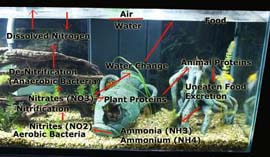
The aquarium nitrogen cycle is simply put the method by which diffusion from the gills of the fish and their wastes, as well as other decomposing organic matter (such as uneaten fish food) is converted from Ammonia or Ammonium to Nitrites to Nitrates. Then Nitrates are then either converted to free nitrogen (which is a gas that will not remain in the water) by plants or de-nitrifying anaerobic bacteria, or you remove/lower your nitrates by way of regular water changes, or by using chemical absorbents such as Purigen.
Without this process going on in your aquarium/pond the keeping of fish or other inhabitants would be nearly impossible as ammonia is highly toxic in even small quantities (ammonium is not but is quickly converted to ammonia at higher pH), nitrites are also toxic although not as much as ammonia. Nitrates are not toxic to most freshwater fish except in high amounts with long term exposure (this is not the case for many saltwater inhabitants though). So, with this in mind it is important to have an “established aquarium nitrogen cycle” in your aquarium or pond.
Please read on as this article has a lot of updated information about the Nitrogen cycle, including Cycling Methods (and is one of the more accurate and in-depth articles available on the internet)! If any section is difficult to understand, please continue reading, as the article will become clearer after reading as a whole, especially after multiple readings. This is one of the most important, yet most often misunderstood aspects of aquarium keeping, especially among “newbies” so truly understanding this process is very important, and as well not getting confused by the many anecdotal statements made about this process is important as well.
Without this process going on in your aquarium/pond the keeping of fish or other inhabitants would be nearly impossible as ammonia is highly toxic in even small quantities (ammonium is not but is quickly converted to ammonia at higher pH), nitrites are also toxic although not as much as ammonia. Nitrates are not toxic to most freshwater fish except in high amounts with long term exposure (this is not the case for many saltwater inhabitants though). So, with this in mind it is important to have an “established aquarium nitrogen cycle” in your aquarium or pond.
Please read on as this article has a lot of updated information about the Nitrogen cycle, including Cycling Methods (and is one of the more accurate and in-depth articles available on the internet)! If any section is difficult to understand, please continue reading, as the article will become clearer after reading as a whole, especially after multiple readings. This is one of the most important, yet most often misunderstood aspects of aquarium keeping, especially among “newbies” so truly understanding this process is very important, and as well not getting confused by the many anecdotal statements made about this process is important as well.
What is Nitrogen
Nitrogen is an element vital to all life processes on Earth. Nitrogen is very important in our biosphere, where nitrogen comprises 78% of the atmosphere, and is part of every living tissue. It is a component of amino acids, proteins and nucleic acids. With the exception of carbon, nitrogen is the most universal element of life. Life could not exist without nitrogen. See Reference Note. Nitrogen is essential for organic development; nitrogenous compounds are also required by some organisms for metabolic functions and respiration. Unfortunately, free nitrogen in the atmosphere is not in a form that is usable by plants or animals. Because of its stable structural formula, it is relatively inert and does not combine readily with other elements.
All living organisms, from fish to plants, have great quantities of assimilated nitrogen in their tissues. Nitrogen is a fundamental ingredient for the formation of proteins and nucleic acids. Every organism you place in your aquarium adds nitrogen-based compounds; from fish to coral, to live rock, to plants. The introduction of food also adds nitrogen. Dead or alive, they are organic masses, and possess the same nitrogenous attributes as the fish, plants, invertebrates you added to your aquarium.
Inorganic nitrogen is added two ways: the atmosphere and new water. Atmospheric nitrogen (N2) is incorporated into our aquarium water by way of nitrogen fixing bacteria and by Cyanobacteria (bacteria that obtain their energy through photosynthesis) as ammonia (NH3). Some Cyanobacteria fix nitrogen gas, which cannot be used by plants, into ammonia, nitrites (NO2-) or nitrates (NO3-). Nitrates can then be utilized by plants and converted to nucleic acids and protein. Inorganic nitrogenous compounds from our tap or well water also enter our aquarium, often as Nitrites or Nitrates. Reverse Osmosis can remove much of this.
For more about tap water, please see this article:
• What should I know about tap water for my aquarium? From Chlorine and Chloramines to Phosphates
All living organisms, from fish to plants, have great quantities of assimilated nitrogen in their tissues. Nitrogen is a fundamental ingredient for the formation of proteins and nucleic acids. Every organism you place in your aquarium adds nitrogen-based compounds; from fish to coral, to live rock, to plants. The introduction of food also adds nitrogen. Dead or alive, they are organic masses, and possess the same nitrogenous attributes as the fish, plants, invertebrates you added to your aquarium.
Inorganic nitrogen is added two ways: the atmosphere and new water. Atmospheric nitrogen (N2) is incorporated into our aquarium water by way of nitrogen fixing bacteria and by Cyanobacteria (bacteria that obtain their energy through photosynthesis) as ammonia (NH3). Some Cyanobacteria fix nitrogen gas, which cannot be used by plants, into ammonia, nitrites (NO2-) or nitrates (NO3-). Nitrates can then be utilized by plants and converted to nucleic acids and protein. Inorganic nitrogenous compounds from our tap or well water also enter our aquarium, often as Nitrites or Nitrates. Reverse Osmosis can remove much of this.
For more about tap water, please see this article:
• What should I know about tap water for my aquarium? From Chlorine and Chloramines to Phosphates
Non-Nitrogen Wastes
Some Types of Bacteria Important to the Nitrogen Cycle:
• One of the most important biological conversions involves the transformation of N2 into a form readily available for plants.
Specialized bacteria that live in soil (Rhizobium) have the capability of converting N2 into NH3 (ammonia) a chemical that plants can absorb through their roots. Ammonia can be used to synthesize amino acids (Rhizobia bacteria require a plant host as they cannot independently fix nitrogen). The process of converting N2 + 3H2 > 2NH3 is called Nitrogen fixation. The bacteria that perform this task are anaerobic (no oxygen required). They possess the enzyme nitrogenase, necessary to catalyze this reaction. Certain plants develop anaerobic nodules on their roots that contain the nitrogenase-producing bacteria such as soybeans.
As well Blue-Green Algae (actually Cyanobacteria) can “fix” nitrogen and often live symbiotically with some plants; such is the case with the tiny aquatic Azolla fern found throughout the tropical & temperate regions of the world.
• Nitrifying bacteria change ammonia (NH3) OR ammonium (NH4+) to nitrite (NO2-) then to nitrate (NO3-). This is the most important aspect of the nitrogen cycle in an aquarium & pond and will be discussed in depth as this article progresses.
• Denitrifying bacteria convert nitrate to nitrogen (N2) gas or Hydrogen sulfide under certain conditions in aquariums or ponds. Denitrifying bacteria are anaerobic, meaning they are active where oxygen is absent. This process is also important to aquariums & ponds (especially marine reef aquariums) and will be discussed in depth as the article progresses.
Reference:
• Hydrogen Sulfide; a biproduct of anaerobic de-nitrification
• Another large group of bacteria are Actinomycetes that grow branching filamentous cells (hyphae) like fungi. These Heterotrophic bacteria are active at high pH levels, are generally gram positive and aerobic. Actinomycetes are common in soil and are responsible for the characteristic smell of freshly turned healthy soil. Actinomycetes decompose large organic substrates/compounds that are hard-to decompose such as cellulose, or Chitin found in exoskeletons of crustaceans. Fungi/Saprolegnia are more important in degrading these compounds at low pH.
Reference:
• Fungus, Saprolegnia in Aquariums, Ponds
OTHER ORGANIC WASTE: I think it is important to explain that not all organic waste contributes to the nitrogen cycle, (hence high ammonia, etc.). The importance of knowing this is that certain organics may have low amounts or NO nitrogen containing compounds, so controlling the addition of high content nitrogen containing compounds can be important in keeping lower nitrates in established aquariums or lower ammonia/nitrites in less established aquariums (or aquariums that have had their bio cycling process interrupted). All plant and animals contain proteins (amino acids) and lipids, of which varying amounts of nitrogen atoms are contained depending on the molecule in question.
HOWEVER sugars, carbohydrates (starches) and most fats (fats are a form of lipids, generally without nitrogen atoms though) do not contain nitrogen atoms and therefore CANNOT directly contribute to the nitrogen cycle of your aquarium or pond (bacteria that feed on these oils can multiply and indirectly affect ammonia/nitrites/nitrates).
As well different animal and plant matter have varying amounts of nitrogen containing molecules (with plants in general containing less than animals). The few lipids that contain nitrogen atoms generally have few and are often less of a factor as well. It is noteworthy that while these sugars, carbohydrates, and fats do not contribute to the nitrogen cycle, these do contribute to the aquarium bio load, albeit to a lesser amount than nitrogen containing organics.
See:
• Aquarium Bio-Load
With this in mind, more fish equals more nitrogen compounds released into an aquarium/pond, as well higher protein foods such as shrimp will also add more nitrogen compounds. While plants, even decomposing plants generally release fewer nitrogen bearing compounds than a decomposing fish or fish waste. So, controlling these molecules via fish numbers vs. plant numbers and diet is important even for an established aquarium (so as to control nitrates).
Here are a few chemical formulas for example:
• Glycerol: A basic sugar and a central component of many lipids: C3-H5-(OH)3.
• Glucose: A common sugar: C6-H12-O6.
• Alpha Linolenic Acid, a fat: Short-chain omega-3 fatty acid: CH3CH2CH=CHCH2CH=CHCH2CH=CH(CH2)7COOH.
• Psychosine, a lipid intermediate in the biosynthesis: C24-H47-NO7.
• Leucine, an essential amino acid (protein): C6H13NO2.
• One of the most important biological conversions involves the transformation of N2 into a form readily available for plants.
Specialized bacteria that live in soil (Rhizobium) have the capability of converting N2 into NH3 (ammonia) a chemical that plants can absorb through their roots. Ammonia can be used to synthesize amino acids (Rhizobia bacteria require a plant host as they cannot independently fix nitrogen). The process of converting N2 + 3H2 > 2NH3 is called Nitrogen fixation. The bacteria that perform this task are anaerobic (no oxygen required). They possess the enzyme nitrogenase, necessary to catalyze this reaction. Certain plants develop anaerobic nodules on their roots that contain the nitrogenase-producing bacteria such as soybeans.
As well Blue-Green Algae (actually Cyanobacteria) can “fix” nitrogen and often live symbiotically with some plants; such is the case with the tiny aquatic Azolla fern found throughout the tropical & temperate regions of the world.
• Nitrifying bacteria change ammonia (NH3) OR ammonium (NH4+) to nitrite (NO2-) then to nitrate (NO3-). This is the most important aspect of the nitrogen cycle in an aquarium & pond and will be discussed in depth as this article progresses.
• Denitrifying bacteria convert nitrate to nitrogen (N2) gas or Hydrogen sulfide under certain conditions in aquariums or ponds. Denitrifying bacteria are anaerobic, meaning they are active where oxygen is absent. This process is also important to aquariums & ponds (especially marine reef aquariums) and will be discussed in depth as the article progresses.
Reference:
• Hydrogen Sulfide; a biproduct of anaerobic de-nitrification
• Another large group of bacteria are Actinomycetes that grow branching filamentous cells (hyphae) like fungi. These Heterotrophic bacteria are active at high pH levels, are generally gram positive and aerobic. Actinomycetes are common in soil and are responsible for the characteristic smell of freshly turned healthy soil. Actinomycetes decompose large organic substrates/compounds that are hard-to decompose such as cellulose, or Chitin found in exoskeletons of crustaceans. Fungi/Saprolegnia are more important in degrading these compounds at low pH.
Reference:
• Fungus, Saprolegnia in Aquariums, Ponds
OTHER ORGANIC WASTE: I think it is important to explain that not all organic waste contributes to the nitrogen cycle, (hence high ammonia, etc.). The importance of knowing this is that certain organics may have low amounts or NO nitrogen containing compounds, so controlling the addition of high content nitrogen containing compounds can be important in keeping lower nitrates in established aquariums or lower ammonia/nitrites in less established aquariums (or aquariums that have had their bio cycling process interrupted). All plant and animals contain proteins (amino acids) and lipids, of which varying amounts of nitrogen atoms are contained depending on the molecule in question.
HOWEVER sugars, carbohydrates (starches) and most fats (fats are a form of lipids, generally without nitrogen atoms though) do not contain nitrogen atoms and therefore CANNOT directly contribute to the nitrogen cycle of your aquarium or pond (bacteria that feed on these oils can multiply and indirectly affect ammonia/nitrites/nitrates).
As well different animal and plant matter have varying amounts of nitrogen containing molecules (with plants in general containing less than animals). The few lipids that contain nitrogen atoms generally have few and are often less of a factor as well. It is noteworthy that while these sugars, carbohydrates, and fats do not contribute to the nitrogen cycle, these do contribute to the aquarium bio load, albeit to a lesser amount than nitrogen containing organics.
See:
• Aquarium Bio-Load
With this in mind, more fish equals more nitrogen compounds released into an aquarium/pond, as well higher protein foods such as shrimp will also add more nitrogen compounds. While plants, even decomposing plants generally release fewer nitrogen bearing compounds than a decomposing fish or fish waste. So, controlling these molecules via fish numbers vs. plant numbers and diet is important even for an established aquarium (so as to control nitrates).
Here are a few chemical formulas for example:
• Glycerol: A basic sugar and a central component of many lipids: C3-H5-(OH)3.
• Glucose: A common sugar: C6-H12-O6.
• Alpha Linolenic Acid, a fat: Short-chain omega-3 fatty acid: CH3CH2CH=CHCH2CH=CHCH2CH=CH(CH2)7COOH.
• Psychosine, a lipid intermediate in the biosynthesis: C24-H47-NO7.
• Leucine, an essential amino acid (protein): C6H13NO2.
Nitrification: Nitrifying Bacteria, and an Ammonia Chart
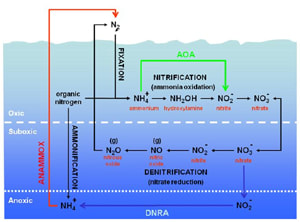
When an organism dies, nitrogen is moved from plant or animal into the inorganic chemical ammonia by the process of bacterial decay. Ammonia is also produced by bacteria in the breakdown of protein. This process is called Mineralization and is the end result of the metabolism of food. However, ammonia is produced from both metabolism and mineralization. The decomposition (mineralization) process produces large quantities of ammonia (NH3) through the process of ammonification.
Heterotrophic microbes (organisms that require organic substrates to get its carbon for their growth and development) utilize the organic compounds of decomposing matter as their carbon source. Ammonia (NH3) is the byproduct of this consumption. The process of nitrogen cycle was once thought to be a complete linear process, however newer scientific evidence (2008) indicates otherwise.
Newer research indicates that there are three more dynamic processes involved in our aquarium nitrogen cycle, in particular marine aquaria. I have noticed this in my many both anecdotal observations as well as tests I have performed where many variables were changed, especially during the establishment of a new tank's bio filter (adding plants early on being one), so this new science-based theory really helps explain this.
Ammonium oxidation by a particular group of microorganisms, the archaebacteria (AOA): This includes the Nitrosopumilus maritimus, which was isolated from the water of aquarium. N. maritimus is chemoautrophic: As a matter of fact, it grows with bicarbonate as the only source of carbon since organic carbon inhibits its growth. These bacterium convert NH4+ in NO2- (green line in diagram).
The anaerobic reduction of nitrates to ammonium (DNRA): The DNRA reaction is found in anoxic sediments. This involves bacteria of the Thioploca and Thiomargarita species. They are able to reduce nitrate to ammonium passing through nitrite as an intermediary compound (blue line in diagram to the above left).
The anaerobic oxidation processes of ammonium (ANAMMOX): ANAMMOX bacteria are capable of oxidizing ammonium to gaseous nitrogen (N2) by using nitrite as electron acceptor, instead of oxygen (orange line in the diagram).
Reference:
• The Nitrogen Cycle: New Developments and New Prospects
Heterotrophic microbes (organisms that require organic substrates to get its carbon for their growth and development) utilize the organic compounds of decomposing matter as their carbon source. Ammonia (NH3) is the byproduct of this consumption. The process of nitrogen cycle was once thought to be a complete linear process, however newer scientific evidence (2008) indicates otherwise.
Newer research indicates that there are three more dynamic processes involved in our aquarium nitrogen cycle, in particular marine aquaria. I have noticed this in my many both anecdotal observations as well as tests I have performed where many variables were changed, especially during the establishment of a new tank's bio filter (adding plants early on being one), so this new science-based theory really helps explain this.
Ammonium oxidation by a particular group of microorganisms, the archaebacteria (AOA): This includes the Nitrosopumilus maritimus, which was isolated from the water of aquarium. N. maritimus is chemoautrophic: As a matter of fact, it grows with bicarbonate as the only source of carbon since organic carbon inhibits its growth. These bacterium convert NH4+ in NO2- (green line in diagram).
The anaerobic reduction of nitrates to ammonium (DNRA): The DNRA reaction is found in anoxic sediments. This involves bacteria of the Thioploca and Thiomargarita species. They are able to reduce nitrate to ammonium passing through nitrite as an intermediary compound (blue line in diagram to the above left).
The anaerobic oxidation processes of ammonium (ANAMMOX): ANAMMOX bacteria are capable of oxidizing ammonium to gaseous nitrogen (N2) by using nitrite as electron acceptor, instead of oxygen (orange line in the diagram).
Reference:
• The Nitrogen Cycle: New Developments and New Prospects
Ammonia, in its neutral state, exists as ammonium (NH4+). Ammonium (NH4) is formed by the protonation (the addition of a Proton (H+) to the molecule. During this process of protonation NH3 (which is a base) converts into a weak acid (an acid which has the tendency to lose, or "donate" a hydrogen ion, also known as a “Brønsted-Lowry acid”. This tendency to “donate” a hydrogen ion is how NH4 converts back to NH3 as pH rises. Products such as Prime block this process, maintaining the extra hydrogen ion.
PLEASE NOTE that while products such as Prime or Amquel+ still allow ammonia to be bio available (as NH4), these still should not be overused during the initial cycling process of an aquarium or pond (use sparingly as per directions, no more than once per 24 hours).
Product Resource:
• SeaChem Prime
Ammonia is assimilated in more than one way. Plants (such as Hornwort) and algae can assimilate ammonia and ammonium directly for the biosynthesis. The remaining bulk of decomposed byproducts are utilized by bacteria in a process called nitrification. Fortunately, Ammonia does not last long in a healthy aquarium environment. Nitrifying bacteria such as Nitrosomonas quickly break down ammonia into less toxic Nitrite (NO2). During this process, specific species of nitrifying bacteria strip the ammonium of its hydrogen molecules as an energy source. Oxygen molecules are then affixed to the stripped nitrogen, forming the oxide nitrite (NO2).
Another group of bacteria (similar to Nitrobacter in function) utilize the enzyme nitrite oxidase that is then responsible for converting nitrite into nitrate (NO3). This nitrate can either be used by plants as a nutrient source or can be further broken down into nitrogen gas (N2) through the activity of anaerobic bacteria such as Pseudomonas. It should be noted, that without oxygen (nitrification is an oxidative process), none of this process can take place.
What are nitrifying bacteria? There's a lot of confusion among aquarists about nitrifying bacteria. This is due in large part to the recent emergence of a wide variety of bacterial products claiming to be nitrifying aids.
Most of these products (all dry products in particular) actually contain species of Heterotrophic bacteria from the genera Bacillus, Pseudomonas, Escherichia, and others (as these bacteria are much easier packaged with a reasonable shelf life under normal conditions/room temperatures). Although a few better "sealed" (for shelf life) cycling products such as SeaChem Stability contain facultative bacteria which can live in both oxygen and non-oxygen environments (a further explanation is provided later).
As well, the bacterium "Bacillus Subtilis" has been domesticated for many uses and is USDA approved too. "Bacillus Subtilis" has high heat tolerance and makes for an excellent aquarium cycling aid as well as for removal of sludge and restoring damaged bio filters.
Reference:
• Bacillus Subtilis
Product Resources:
• AAP Bacter Plus with Bacillus Subtillis; Premium Cycling Aid
• Stability; with encapsulated oxygen
PLEASE NOTE that while products such as Prime or Amquel+ still allow ammonia to be bio available (as NH4), these still should not be overused during the initial cycling process of an aquarium or pond (use sparingly as per directions, no more than once per 24 hours).
Product Resource:
• SeaChem Prime
Ammonia is assimilated in more than one way. Plants (such as Hornwort) and algae can assimilate ammonia and ammonium directly for the biosynthesis. The remaining bulk of decomposed byproducts are utilized by bacteria in a process called nitrification. Fortunately, Ammonia does not last long in a healthy aquarium environment. Nitrifying bacteria such as Nitrosomonas quickly break down ammonia into less toxic Nitrite (NO2). During this process, specific species of nitrifying bacteria strip the ammonium of its hydrogen molecules as an energy source. Oxygen molecules are then affixed to the stripped nitrogen, forming the oxide nitrite (NO2).
Another group of bacteria (similar to Nitrobacter in function) utilize the enzyme nitrite oxidase that is then responsible for converting nitrite into nitrate (NO3). This nitrate can either be used by plants as a nutrient source or can be further broken down into nitrogen gas (N2) through the activity of anaerobic bacteria such as Pseudomonas. It should be noted, that without oxygen (nitrification is an oxidative process), none of this process can take place.
What are nitrifying bacteria? There's a lot of confusion among aquarists about nitrifying bacteria. This is due in large part to the recent emergence of a wide variety of bacterial products claiming to be nitrifying aids.
Most of these products (all dry products in particular) actually contain species of Heterotrophic bacteria from the genera Bacillus, Pseudomonas, Escherichia, and others (as these bacteria are much easier packaged with a reasonable shelf life under normal conditions/room temperatures). Although a few better "sealed" (for shelf life) cycling products such as SeaChem Stability contain facultative bacteria which can live in both oxygen and non-oxygen environments (a further explanation is provided later).
As well, the bacterium "Bacillus Subtilis" has been domesticated for many uses and is USDA approved too. "Bacillus Subtilis" has high heat tolerance and makes for an excellent aquarium cycling aid as well as for removal of sludge and restoring damaged bio filters.
Reference:
• Bacillus Subtilis
Product Resources:
• AAP Bacter Plus with Bacillus Subtillis; Premium Cycling Aid
• Stability; with encapsulated oxygen
Autotrophic Bacteria: True nitrifying bacteria are Autotrophic and considered to be those belonging to the family Nitrobacteraceae whose energy sources are derived from the chemical conversion of ammonia to nitrite, or nitrite to nitrate (Autotrophic bacteria are organisms that produce complex organic compounds from simple inorganic molecules). They require oxygen, utilize mostly inorganic (without carbon) compounds as their energy source, and require carbon dioxide (CO2) for their source of carbon.
The desired Autotrophic aerobic bacteria of nitrifying bacteria are present everywhere (e.g., in the air), oxygen and at least some moisture is present (not in areas void of oxygen). It is important to note that although the desired nitrifying species of bacteria are “all around us”, they do not readily store in sealed oxygen free containers (dying or going dormant without oxygen to the point of long periods to revive); it takes some time for the sparse air born nitrifying bacteria to populate an aquarium or pond, so do not expect these bacteria to “magically” populate your aquarium overnight, even a re-started aquarium will need to be re-populated (please see cycling methods further down in the article).
Some ammonia oxidizing bacteria can revive more quickly than others. After 342 days of ammonia starvation, the AOB N. europaea, was shown to have an immediate response to the addition of ammonia as measured by nitrite production, without initial protein synthesis.
Reference:
• Molecular Analysis of Ammonia Oxidation in Natural Environments
While many of these nitrifying bacteria (but not all) have been shown to be gram negative; my research and that of my mentor (Dr. John Herzog) have shown these bacteria to react to gram positive treatments such as Erythromycin and not as much to gram negative antibiotics (such as Kanamycin). The reason for this obvious contradiction of facts is unknown; however, one explanation given to me is: "biofilms (via excretion of exopolymeric substances) are able to inhibit the efficacy of antibiotics. One of the variables the research has discovered is that the age of the biofilms has a direct bearing on their ability to inhibit antibiotic penetration. In addition, any given biofilm may inhibit one type of antibiotic while they will not have a similar effect on a different antibiotic".
For this reason, aquarium keepers need to be careful when treating with medications that are primarily gram positive such as Erythromycin (Maracyn), Ampicillin, or Penicillin. I have also found Tetracycline Hydrochloride to be harsh on nitrifying bacteria as well. I will also note that most antibiotics can be harsh on a newly established bio filter, so please consider this fact with a tank under 8 weeks of age (unless seeded with established filters from another aquarium).
From: The Krib; Erythromycin vs Blue-Green Algae - a short article: "Although the instructions on the package specifically state that Maracyn does not affect Nitrosomonas and Nitrobacter bacteria (those responsible for the nitrogen cycle in the tank), I immediately noticed a rise in ammonia levels. The depletion of nitrifying bacteria by erythromycin is also reported in \cite{Dixo92}."
Another point of disagreement about these bacteria, based on my assertion; since most aquarium diseases are gram negative (especially marine), diseases such as Vibrio, Columnaris, Pseudomonas, Aeromonas and their resulting treatment with antibiotics such as Kanamycin or Nitrofurazone (which are primarily gram negative) will NOT interfere with the nitrifying cycling process when used correctly short term.
Another commonly used product for aquarium Ich infestation is Malachite Green, despite some common anecdotal comments Malachite Green, as well as Copper Sulfate DO NOT affect nitrifying bacteria.
See this article:
•Aquarium Medications Part 3, Malachite Green
We have ammonia-oxidizers and nitrite-oxidizers in both fresh & saltwater:
• Nitrosomonas Related of which N. europaea is most prevalent (SW).
• Nitrosococcus (SW).
• Nitrospira Related Bacteria, which N. marina & N. moscoviensis are the most prevalent for both NOB & AOB (FW).
• Nitrococcus mobilis (SW nitrite-oxidizers).
•Nitrospina (SW nitrite-oxidizers).
KEY:
• AOB = "Ammonia Oxidizing Bacteria".
• NOB = "Nitrite Oxidizing Bacteria".
• Species of marine nitrifying bacteria are different from those that prefer fresh water, and yet, are very closely related.
Heterotrophic Bacteria: Heterotrophic Bacteria are an organism that requires organic substrates to get its carbon for growth and development. Some are strictly aerobic, but many are facultative anaerobes (they can survive in either the presence or absence of oxygen).
Heterotrophic Bacteria are generally found in most over the counter aquarium and pond cycling products (especially "Sludge Removers") due to their portability and quick activity. Heterotrophs can be either gram-positive (ex: Bacillus) or gram-negative (ex: Pseudomonas) which in the case of Pseudomonas many gram-negative aquarium treatments (such as Kanamycin) can be effective against Pseudomonas while not harming true Autotrophic nitrifying bacteria.
Another point is growth (which is why Heterotrophic bacteria are favored for cycling products); nitrifying (Autotrophic) bacteria will double in population every 15-24 hours under optimal growth conditions. Heterotrophic bacteria, on the other hand, can reproduce in as little as 15 minutes to 1 hour.
Unfortunately research has shown that up to one million times more of these heterotrophic bacteria are required to perform a comparable level of ammonia conversion that is attained by true autotrophic nitrifying bacteria, in part due to the fact of Heterotrophic Bacteria to convert many organics into food.
The use of only Heterotrophic Bacteria to cycle an aquarium or pond can result in a bio environment that does not contain the necessary Autotrophic nitrifying bacteria to rapidly adapt to changes in bio load either from added fish, wastes, or similar; thus, often resulting in sudden spikes in ammonia or nitrites when these Heterotrophic bacteria cycling products are not added in a timely or regular schedule! The other danger is cloudy water.
For this reason, products that contain only Heterotrophic Bacteria such as "Hagen Cycle" or even the popular Eco-Complete planted substrate SHOULD BE AVOIDED in some aquariums! As a side note, in a healthy established aquarium, the use of Eco-Complete likely will not have a major impact on the aquarium bio filter, however if the bio load is increased suddenly after use, this could lead to cloudy water or spikes in ammonia.
Similar with a pond, regular maintenance with sludge removers such as "AAP/ATI Pond Zyme Sludge Remover" in a pond with large amounts of decomposing matter falling into a pond should not present a problem. However, with use of large volumes heterotrophic bacteria pond products, it is easy to over come the healthy bio cycle of autotrophic bacteria and the problem we might be trying to solve might actually get worse.
Low pH and Nitrification Importance: It's also noteworthy that the primary nitrifying bacteria are affected by pH. Nitrification involving AOB & NOB bacteria is different at pH levels of above 7.0 versus below 6.0.
Toxic Ammonia (NH3) changes to ammonium under 6.0 and ammonium (non-toxic NH4) switches back to toxic NH3 over 7.0 What is important, is nitrification rates are rapidly depressed as the pH is raised above 7.0 from pH levels under 6.0 until the nitrification process re-establishes itself at the higher pH.
The cause of this change in the nitrification process is still not clearly understood. From High-Rate Nitrification at Low pH in Suspended- and Attached-Biomass Reactors: "(i) the feeding solution contained only inorganic salts and no direct organic substrate to support substantial heterotrophic growth;".
From the above article and quote, I would postulate that a change in Heterotrophic bacteria along with possible Redox Reactions or lack thereof (a low pH below 6.0 is very oxidizing with little/no reduction which for this reason alone is not a healthy environment. As well, Autotrophic bacterial adaptations may be part of this process and why there is an interruption in nitrification from changes in pH and between NH3 & NH4. Since typical real world aquarium environments invariably are going to contain Heterotrophic bacteria (from fish food waste, etc.) and these tests seemed to lock out these Heterotrophic bacteria (using only ammonium chloride), this bacterium might be part of the cause.
Further pH/Nitrification Information: During the nitrification process carbonates are used by the aquarium or pond to counter acids produced during nitrification (or other organic breakdown), however without an adequate KH (even for Amazon River Fish such as Discus or German Rams), subtle or even sudden changes in pH can occur that affects the nitrogen cycle.
References:
• Aquarium Chemistry; pH
Keeping a low pH/KH can be a double-edged sword whereby a simple procedure such as a water change with slightly higher pH water can result in an immediate conversion of ammonium (NH4) to deadly ammonia (NH3) with disastrous results. This low pH, poor nitrifying environment also easily allows for the growth of pathogenic Fungi/Saprolegnia and a depressed Redox balance.
See References:
• Fungus, Saprolegnia in Aquariums or Ponds
• Aquarium Redox Balance
Further References for the Previous Section:
• Effects of chemicals on the biofilter
• Autotroph
• The Krib: What Is the Nitrogen Cycle? or What is meant by "Cycling Your Tank" and "New Tank Syndrome"?
My "Tests and observations" were via aquariums with new & established bio filters as well with various filters (these included, Under Gravel, Canister, Sponge, Fluidized, Hang On and combinations thereof). One test showed destruction of bio filters within one week with the use of Erythromycin, however larger more efficient bio filters such as Fluidized, Sponge, and Canister showed less destruction and a quicker recovery.
A few key points about ammonia: Ammonia in the form of toxic NH3 commonly found in aquariums from wastes (Animal and plant) will convert to NH4 (which is much less toxic) in a pH of around 6.4 or less.
It is noteworthy that the higher the pH and the higher the temperature, the higher the percentage of toxic NH3.
The symptoms of ammonia poisoning can often appear as a disease or actually allow a disease such as Aeromonas infections to establish in the fish under stress from ammonia poisoning. The most common symptom of ammonia poisoning is rapid respiration (often near the surface), followed by flared or abnormally red gills. Prolonged exposure to even moderate levels of ammonia (or nitrites) can result in fin deterioration and loss of color. This is noteworthy, as many aquarists will treat for fin rot or other diseases when the problem is either directly ammonia poisoning or a result of ammonia poisoning.
Such treatments will usually fail and often make the situation worse as dumping in medications to solve an ammonia poison issue will often exacerbate the problem further (the use of products such as Prime; toxic ammonia reducer is OK as a temporary solution to the problem of high ammonia).
Surface agitation can cause some ammonia ions to evaporate, but not quickly enough to be significant to a healthy aquarium. The ammonia commonly found in aquariums should not be confused with ammonia carbonate used in cooking which more readily evaporates, nor should an aquarist confuse the process of evaporation in a cooling system commonly used in RV refrigerators which heats the ammonia for evaporation and cooling (this system basically works by heating anhydrous ammonia to evaporate it then the ammonia condenses, and cools and the process starts over again).
Toxic NH3 ammonia can be remove or detoxified by products such as Prime, Ammo Lock, or Amquel but this is a short-term solution to proper bio filtration.
It is NORMAL in a healthy aquarium with an established nitrogen cycle for the total ammonia levels (combined NH3/NH4 which most test kits display) to spike to .25 ppm and occasionally to .5 due to generally normal oscillations in the bio load of the aquarium (although some very stable aquariums with strong bio bacterial colonies with little or no plant growth may see no oscillations at all in total ammonia).
This is due to the fact the Autotrophic nitrifying bacteria do not immediately respond to these changes wastes in the water column.
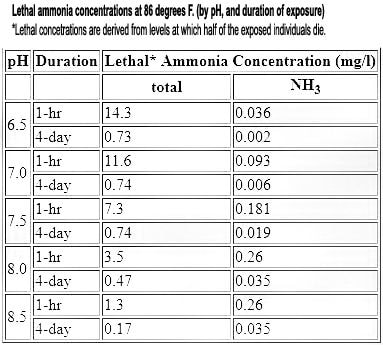
This said, if the pH is high along with the temperature, the total ammonia level can become quite toxic even at low levels. So, while at 7.0 pH and a temperature of 77F, the total ammonia at .50 would not be deadly, at 86F and above 8.0 pH, these same numbers can be deadly.
See table below:
The desired Autotrophic aerobic bacteria of nitrifying bacteria are present everywhere (e.g., in the air), oxygen and at least some moisture is present (not in areas void of oxygen). It is important to note that although the desired nitrifying species of bacteria are “all around us”, they do not readily store in sealed oxygen free containers (dying or going dormant without oxygen to the point of long periods to revive); it takes some time for the sparse air born nitrifying bacteria to populate an aquarium or pond, so do not expect these bacteria to “magically” populate your aquarium overnight, even a re-started aquarium will need to be re-populated (please see cycling methods further down in the article).
Some ammonia oxidizing bacteria can revive more quickly than others. After 342 days of ammonia starvation, the AOB N. europaea, was shown to have an immediate response to the addition of ammonia as measured by nitrite production, without initial protein synthesis.
Reference:
• Molecular Analysis of Ammonia Oxidation in Natural Environments
While many of these nitrifying bacteria (but not all) have been shown to be gram negative; my research and that of my mentor (Dr. John Herzog) have shown these bacteria to react to gram positive treatments such as Erythromycin and not as much to gram negative antibiotics (such as Kanamycin). The reason for this obvious contradiction of facts is unknown; however, one explanation given to me is: "biofilms (via excretion of exopolymeric substances) are able to inhibit the efficacy of antibiotics. One of the variables the research has discovered is that the age of the biofilms has a direct bearing on their ability to inhibit antibiotic penetration. In addition, any given biofilm may inhibit one type of antibiotic while they will not have a similar effect on a different antibiotic".
For this reason, aquarium keepers need to be careful when treating with medications that are primarily gram positive such as Erythromycin (Maracyn), Ampicillin, or Penicillin. I have also found Tetracycline Hydrochloride to be harsh on nitrifying bacteria as well. I will also note that most antibiotics can be harsh on a newly established bio filter, so please consider this fact with a tank under 8 weeks of age (unless seeded with established filters from another aquarium).
From: The Krib; Erythromycin vs Blue-Green Algae - a short article: "Although the instructions on the package specifically state that Maracyn does not affect Nitrosomonas and Nitrobacter bacteria (those responsible for the nitrogen cycle in the tank), I immediately noticed a rise in ammonia levels. The depletion of nitrifying bacteria by erythromycin is also reported in \cite{Dixo92}."
Another point of disagreement about these bacteria, based on my assertion; since most aquarium diseases are gram negative (especially marine), diseases such as Vibrio, Columnaris, Pseudomonas, Aeromonas and their resulting treatment with antibiotics such as Kanamycin or Nitrofurazone (which are primarily gram negative) will NOT interfere with the nitrifying cycling process when used correctly short term.
Another commonly used product for aquarium Ich infestation is Malachite Green, despite some common anecdotal comments Malachite Green, as well as Copper Sulfate DO NOT affect nitrifying bacteria.
See this article:
•Aquarium Medications Part 3, Malachite Green
We have ammonia-oxidizers and nitrite-oxidizers in both fresh & saltwater:
• Nitrosomonas Related of which N. europaea is most prevalent (SW).
• Nitrosococcus (SW).
• Nitrospira Related Bacteria, which N. marina & N. moscoviensis are the most prevalent for both NOB & AOB (FW).
• Nitrococcus mobilis (SW nitrite-oxidizers).
•Nitrospina (SW nitrite-oxidizers).
KEY:
• AOB = "Ammonia Oxidizing Bacteria".
• NOB = "Nitrite Oxidizing Bacteria".
• Species of marine nitrifying bacteria are different from those that prefer fresh water, and yet, are very closely related.
Heterotrophic Bacteria: Heterotrophic Bacteria are an organism that requires organic substrates to get its carbon for growth and development. Some are strictly aerobic, but many are facultative anaerobes (they can survive in either the presence or absence of oxygen).
Heterotrophic Bacteria are generally found in most over the counter aquarium and pond cycling products (especially "Sludge Removers") due to their portability and quick activity. Heterotrophs can be either gram-positive (ex: Bacillus) or gram-negative (ex: Pseudomonas) which in the case of Pseudomonas many gram-negative aquarium treatments (such as Kanamycin) can be effective against Pseudomonas while not harming true Autotrophic nitrifying bacteria.
Another point is growth (which is why Heterotrophic bacteria are favored for cycling products); nitrifying (Autotrophic) bacteria will double in population every 15-24 hours under optimal growth conditions. Heterotrophic bacteria, on the other hand, can reproduce in as little as 15 minutes to 1 hour.
Unfortunately research has shown that up to one million times more of these heterotrophic bacteria are required to perform a comparable level of ammonia conversion that is attained by true autotrophic nitrifying bacteria, in part due to the fact of Heterotrophic Bacteria to convert many organics into food.
The use of only Heterotrophic Bacteria to cycle an aquarium or pond can result in a bio environment that does not contain the necessary Autotrophic nitrifying bacteria to rapidly adapt to changes in bio load either from added fish, wastes, or similar; thus, often resulting in sudden spikes in ammonia or nitrites when these Heterotrophic bacteria cycling products are not added in a timely or regular schedule! The other danger is cloudy water.
For this reason, products that contain only Heterotrophic Bacteria such as "Hagen Cycle" or even the popular Eco-Complete planted substrate SHOULD BE AVOIDED in some aquariums! As a side note, in a healthy established aquarium, the use of Eco-Complete likely will not have a major impact on the aquarium bio filter, however if the bio load is increased suddenly after use, this could lead to cloudy water or spikes in ammonia.
Similar with a pond, regular maintenance with sludge removers such as "AAP/ATI Pond Zyme Sludge Remover" in a pond with large amounts of decomposing matter falling into a pond should not present a problem. However, with use of large volumes heterotrophic bacteria pond products, it is easy to over come the healthy bio cycle of autotrophic bacteria and the problem we might be trying to solve might actually get worse.
Low pH and Nitrification Importance: It's also noteworthy that the primary nitrifying bacteria are affected by pH. Nitrification involving AOB & NOB bacteria is different at pH levels of above 7.0 versus below 6.0.
Toxic Ammonia (NH3) changes to ammonium under 6.0 and ammonium (non-toxic NH4) switches back to toxic NH3 over 7.0 What is important, is nitrification rates are rapidly depressed as the pH is raised above 7.0 from pH levels under 6.0 until the nitrification process re-establishes itself at the higher pH.
The cause of this change in the nitrification process is still not clearly understood. From High-Rate Nitrification at Low pH in Suspended- and Attached-Biomass Reactors: "(i) the feeding solution contained only inorganic salts and no direct organic substrate to support substantial heterotrophic growth;".
From the above article and quote, I would postulate that a change in Heterotrophic bacteria along with possible Redox Reactions or lack thereof (a low pH below 6.0 is very oxidizing with little/no reduction which for this reason alone is not a healthy environment. As well, Autotrophic bacterial adaptations may be part of this process and why there is an interruption in nitrification from changes in pH and between NH3 & NH4. Since typical real world aquarium environments invariably are going to contain Heterotrophic bacteria (from fish food waste, etc.) and these tests seemed to lock out these Heterotrophic bacteria (using only ammonium chloride), this bacterium might be part of the cause.
Further pH/Nitrification Information: During the nitrification process carbonates are used by the aquarium or pond to counter acids produced during nitrification (or other organic breakdown), however without an adequate KH (even for Amazon River Fish such as Discus or German Rams), subtle or even sudden changes in pH can occur that affects the nitrogen cycle.
References:
• Aquarium Chemistry; pH
Keeping a low pH/KH can be a double-edged sword whereby a simple procedure such as a water change with slightly higher pH water can result in an immediate conversion of ammonium (NH4) to deadly ammonia (NH3) with disastrous results. This low pH, poor nitrifying environment also easily allows for the growth of pathogenic Fungi/Saprolegnia and a depressed Redox balance.
See References:
• Fungus, Saprolegnia in Aquariums or Ponds
• Aquarium Redox Balance
Further References for the Previous Section:
• Effects of chemicals on the biofilter
• Autotroph
• The Krib: What Is the Nitrogen Cycle? or What is meant by "Cycling Your Tank" and "New Tank Syndrome"?
My "Tests and observations" were via aquariums with new & established bio filters as well with various filters (these included, Under Gravel, Canister, Sponge, Fluidized, Hang On and combinations thereof). One test showed destruction of bio filters within one week with the use of Erythromycin, however larger more efficient bio filters such as Fluidized, Sponge, and Canister showed less destruction and a quicker recovery.
A few key points about ammonia: Ammonia in the form of toxic NH3 commonly found in aquariums from wastes (Animal and plant) will convert to NH4 (which is much less toxic) in a pH of around 6.4 or less.
It is noteworthy that the higher the pH and the higher the temperature, the higher the percentage of toxic NH3.
The symptoms of ammonia poisoning can often appear as a disease or actually allow a disease such as Aeromonas infections to establish in the fish under stress from ammonia poisoning. The most common symptom of ammonia poisoning is rapid respiration (often near the surface), followed by flared or abnormally red gills. Prolonged exposure to even moderate levels of ammonia (or nitrites) can result in fin deterioration and loss of color. This is noteworthy, as many aquarists will treat for fin rot or other diseases when the problem is either directly ammonia poisoning or a result of ammonia poisoning.
Such treatments will usually fail and often make the situation worse as dumping in medications to solve an ammonia poison issue will often exacerbate the problem further (the use of products such as Prime; toxic ammonia reducer is OK as a temporary solution to the problem of high ammonia).
Surface agitation can cause some ammonia ions to evaporate, but not quickly enough to be significant to a healthy aquarium. The ammonia commonly found in aquariums should not be confused with ammonia carbonate used in cooking which more readily evaporates, nor should an aquarist confuse the process of evaporation in a cooling system commonly used in RV refrigerators which heats the ammonia for evaporation and cooling (this system basically works by heating anhydrous ammonia to evaporate it then the ammonia condenses, and cools and the process starts over again).
Toxic NH3 ammonia can be remove or detoxified by products such as Prime, Ammo Lock, or Amquel but this is a short-term solution to proper bio filtration.
It is NORMAL in a healthy aquarium with an established nitrogen cycle for the total ammonia levels (combined NH3/NH4 which most test kits display) to spike to .25 ppm and occasionally to .5 due to generally normal oscillations in the bio load of the aquarium (although some very stable aquariums with strong bio bacterial colonies with little or no plant growth may see no oscillations at all in total ammonia).
This is due to the fact the Autotrophic nitrifying bacteria do not immediately respond to these changes wastes in the water column.
This said, if the pH is high along with the temperature, the total ammonia level can become quite toxic even at low levels. So, while at 7.0 pH and a temperature of 77F, the total ammonia at .50 would not be deadly, at 86F and above 8.0 pH, these same numbers can be deadly.
See table below:
De-Nitrification
Denitrification is the process by which microorganisms convert nitrate (NO3) to nitrogen gas (N2). In terms of the global nitrogen cycle, denitrification serves to balance nitrogen fixation by removing fixed nitrogen (rather than supplying it) to the biosphere. Most denitrifying bacteria are heterotrophic (such as Paracoccus denitrificans and various pseudomonads), utilizing organic carbon, hydrogen or hydrogen sulfide as electron donor and nitrate as electron acceptor. The electron donor is oxidized (to CO2, water or sulfate) and nitrate is contemporaneously reduced to dinitrogen gas (N2). Denitrifying bacteria require a source of reductant (energy) and a source of oxidant (nitrate).
Reference:
• Aquarium Redox Balance; Reductant
This process can take place in an environment of very limited oxygen by anaerobic bacteria. This process is more common in Marine aquaria and takes place in fine #00 sand, live rock, or “aquarium mud”. In freshwater aquariums this process often produces potentially dangerous Hydrogen Sulfide, but by maintaining an oxygen level above 1 ppm, this can be avoided. Plants roots are great for maintaining this balance of oxygen in the gravel for proper Nitrate removal by allowing very small amounts of oxygen into the substrate which promotes nitrogen reduction over sulfur reduction (which occurs in substrate with 0 oxygen).
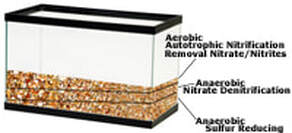
As a generalization, aerobic nitrification takes place in the top 1-2 inches of substrate (deeper in courser substrate, or more shallow in fine sand). While nitrogen fixing anaerobic bacteria oxidize nitrates in an area of 2-4 inches of substrate (again deeper for course media, more shallow for fine sand). Finally Sulfur fixing anaerobic bacteria that produce hydrogen sulfides generally live in substrate over 3-4 inches in depth.
This generalization can vary by substrate size, amount of plant roots and depth thereof as well as how deep certain worms, copepods dig into the substrate. Use of airline deep under sand beds over 5-6 inches that products very limited and controlled bubbles can allow for more de-nitrification while further limiting sulfur reduction. The picture above displays this generalization where aerobic nitrification, anaerobic de-nitrification, and anaerobic sulfur reducing occurs based on substrate depth and substrate size (fine to coarse).
It is also noteworthy that many premium aquarium/pond cycling aids or waste digesters such as SeaChem Stability or API PondCare Pond Zyme contain anaerobic heterotrophic bacteria and can be useful to add during spikes in the bio load of an aquarium or pond to aid in nitrate reduction and lower incidence of Hydrogen Sulfide production from decaying organic wastes (which can also affect water clarity and algae blooms).
The production of Hydrogen Sulfide in aquariums (both salt and even more so freshwater) is a controversial subject, often with unclear answers as to whether anaerobic de-nitrification is beneficial in freshwater due to the POSSIBLE production of Hydrogen Sulfide. With the most current research (although admittedly not conclusive in my view), you CAN have anaerobic de--nitrification and NOT have dangerous levels of Hydrogen Sulfide produced.
A tell-tale sign of Hydro Sulfide production is black areas in the deep areas of sand or substrate, whether freshwater, marine, or especially ponds. The rotten egg odor is another sign although as Hydrogen Sulfide levels in the air increase, research has shown that humans olfactory senses tend to block out the smell.
One key to allow de-nitrification without production of Hydrogen Sulfide is to allow some oxygen penetration of the substrate and as well. In saltwater aquariums, worms, copepods, etc. often help perform this work. In freshwater, plant roots achieve this well and also remove raw ammonia as well as nitrates. Careful vacuuming (or even substrate stirring) can also help, although in a deep sand bed excessive "deep" vacuuming can release hydrogen sulfide that would otherwise be harmlessly trapped in the deepest areas (generally over 4 inches).
Further Resources:
• Hydrogen Sulfide production in anaerobic De-Nitrification for Aquarium/Pond Nitrate Removal
• Aquarium Answers; Nitrates
• Aquarium Bio load
Reference:
• Aquarium Redox Balance; Reductant
This process can take place in an environment of very limited oxygen by anaerobic bacteria. This process is more common in Marine aquaria and takes place in fine #00 sand, live rock, or “aquarium mud”. In freshwater aquariums this process often produces potentially dangerous Hydrogen Sulfide, but by maintaining an oxygen level above 1 ppm, this can be avoided. Plants roots are great for maintaining this balance of oxygen in the gravel for proper Nitrate removal by allowing very small amounts of oxygen into the substrate which promotes nitrogen reduction over sulfur reduction (which occurs in substrate with 0 oxygen).
As a generalization, aerobic nitrification takes place in the top 1-2 inches of substrate (deeper in courser substrate, or more shallow in fine sand). While nitrogen fixing anaerobic bacteria oxidize nitrates in an area of 2-4 inches of substrate (again deeper for course media, more shallow for fine sand). Finally Sulfur fixing anaerobic bacteria that produce hydrogen sulfides generally live in substrate over 3-4 inches in depth.
This generalization can vary by substrate size, amount of plant roots and depth thereof as well as how deep certain worms, copepods dig into the substrate. Use of airline deep under sand beds over 5-6 inches that products very limited and controlled bubbles can allow for more de-nitrification while further limiting sulfur reduction. The picture above displays this generalization where aerobic nitrification, anaerobic de-nitrification, and anaerobic sulfur reducing occurs based on substrate depth and substrate size (fine to coarse).
It is also noteworthy that many premium aquarium/pond cycling aids or waste digesters such as SeaChem Stability or API PondCare Pond Zyme contain anaerobic heterotrophic bacteria and can be useful to add during spikes in the bio load of an aquarium or pond to aid in nitrate reduction and lower incidence of Hydrogen Sulfide production from decaying organic wastes (which can also affect water clarity and algae blooms).
The production of Hydrogen Sulfide in aquariums (both salt and even more so freshwater) is a controversial subject, often with unclear answers as to whether anaerobic de-nitrification is beneficial in freshwater due to the POSSIBLE production of Hydrogen Sulfide. With the most current research (although admittedly not conclusive in my view), you CAN have anaerobic de--nitrification and NOT have dangerous levels of Hydrogen Sulfide produced.
A tell-tale sign of Hydro Sulfide production is black areas in the deep areas of sand or substrate, whether freshwater, marine, or especially ponds. The rotten egg odor is another sign although as Hydrogen Sulfide levels in the air increase, research has shown that humans olfactory senses tend to block out the smell.
One key to allow de-nitrification without production of Hydrogen Sulfide is to allow some oxygen penetration of the substrate and as well. In saltwater aquariums, worms, copepods, etc. often help perform this work. In freshwater, plant roots achieve this well and also remove raw ammonia as well as nitrates. Careful vacuuming (or even substrate stirring) can also help, although in a deep sand bed excessive "deep" vacuuming can release hydrogen sulfide that would otherwise be harmlessly trapped in the deepest areas (generally over 4 inches).
Further Resources:
• Hydrogen Sulfide production in anaerobic De-Nitrification for Aquarium/Pond Nitrate Removal
• Aquarium Answers; Nitrates
• Aquarium Bio load
Bio-Filtration
Nature can pack a lot of bacteria into small places, which is to the advantage of the aquarist. For bacterial growth, all that is required is ammonia and oxygenated water. This is the beginning of the nitrogen process and the growth of bacterial colonies. Water will follow the path of least resistance, so if your filter or gravel has a build-up of non-nitrifying bacterial slime or is packed to tightly, nitrification will not be achieved.
Relatively new scientific evidence shows nitrifying bacteria to be sticky and adheres to the surfaces like glue (using exopolymeric substances), so agitation of filter media when rinsing (no tap water) or vacuuming of gravel will not destroy these colonies. This is why water exchanges between an established aquarium and a new (non-established) aquarium usually are ineffective for cycling aquariums, why changing water during cycling will not harm the bacteria (maybe only cut back on “food” for the bacteria in the water column), and why the myth of UV Sterilizers killing beneficial bacteria is just that, a myth.
Remember you need oxygen (5-7 ppm dissolved oxygen) and a lot of surface area for bacterial colonies. Wet/dry filters, sponge filters, ceramic media, and loosely packed upper layers of gravel are all sources for bacterial accumulation. If there is not adequate surface area in oxygenated areas filter media or gravel, nitrification will be poor.
However, the oxygen aspect is where old anecdotal information has resurfaced on the Internet. Besides the Bio Wheel, DIY bio filters have popped up in Internet forums and videos (these have been around before in some form or another long before the Internet). The only problem with these ideas, as clever as they may seem is that they operate under the false assumption that an aquarium cannot supply adequate oxygen to a filter such as a Canister Filter, Sponge Filter, or Fluidized Filter.
This said If this were true, why would Sponge Filters and Fluidized filters beat Bio Wheels in head-to-head tests that included response to increased waste? As well such "bio filters" cannot maintain anaerobic filtration necessary in marine reef aquariums (nor can Sponge or Fluidized either, but these are not sold for this aspect of filtration either).
Relatively new scientific evidence shows nitrifying bacteria to be sticky and adheres to the surfaces like glue (using exopolymeric substances), so agitation of filter media when rinsing (no tap water) or vacuuming of gravel will not destroy these colonies. This is why water exchanges between an established aquarium and a new (non-established) aquarium usually are ineffective for cycling aquariums, why changing water during cycling will not harm the bacteria (maybe only cut back on “food” for the bacteria in the water column), and why the myth of UV Sterilizers killing beneficial bacteria is just that, a myth.
Remember you need oxygen (5-7 ppm dissolved oxygen) and a lot of surface area for bacterial colonies. Wet/dry filters, sponge filters, ceramic media, and loosely packed upper layers of gravel are all sources for bacterial accumulation. If there is not adequate surface area in oxygenated areas filter media or gravel, nitrification will be poor.
However, the oxygen aspect is where old anecdotal information has resurfaced on the Internet. Besides the Bio Wheel, DIY bio filters have popped up in Internet forums and videos (these have been around before in some form or another long before the Internet). The only problem with these ideas, as clever as they may seem is that they operate under the false assumption that an aquarium cannot supply adequate oxygen to a filter such as a Canister Filter, Sponge Filter, or Fluidized Filter.
This said If this were true, why would Sponge Filters and Fluidized filters beat Bio Wheels in head-to-head tests that included response to increased waste? As well such "bio filters" cannot maintain anaerobic filtration necessary in marine reef aquariums (nor can Sponge or Fluidized either, but these are not sold for this aspect of filtration either).
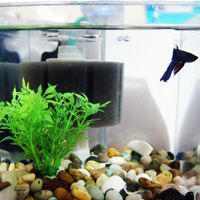
As noted earlier, Bio-Wheels are very popular, but in my tests in my maintenance business they are VASTLY overrated. They tend to accumulate hard water deposits and stop and even when they are working my tests have shown little difference in aquariums when they are removed as compared to Sponge filters or Fluidized Filters. Other suggestions include Pre-Filters and live rock/live rock crumbles sump filters (in Marine Aquariums).
Reference & Product Links:
• Bio Wheels; Review
• Hydro Sponge Aquarium Filter
• AAP Premium Fluidized Sand Bed Aquarium Filter
• Filter Max Premium Pre-Filters
Canister filters can also be good sources for nitrification as long as the proper media is used (such as ceramic rings OR BETTER volcanic rock or SeaChem Matrix) and the media is not packed too tight and is rinsed regularly.
See:
• SeaChem Matrix
Bio Filtration during use of Medications in Aquariums: During the use of medications, in particular gram-positive antibiotics/antimicrobials your aquarium (or pond’s) important aerobic nitrifying filter bed may be damaged or outright destroyed. However, the majority of aquarium fish diseases are gram negative, so using medications such as Kanamycin are much less likely to damage your aquariums bio filter bed when used properly, including water changes prior to each treatment.
See expanded information about Kanamycin:
• Aquarium Medications; Antibiotics, Kanamycin
Sometimes it is necessary to treat with wide spectrum (mixed antibiotic treatments) or strong gram-positive antibiotics such as Erythromycin for unknown problems or diseases such as Streptococcus or Eye Infections. In this case I strongly recommend having several “seeded” (seasoned/aged) bio filters/media such as sponge filters, grids, foam inserts, even gravel in high flow areas to add to the aquarium under treatment every 3-4 days (all the while monitoring ammonia levels), with one final “plant” of this seasoned filter media 2 days after the last treatment. As well, the use of facultative bio bacterial aids during treatment are strongly suggested. Products such as SeaChem Stability should be added approximately 12 hours after each medication treatment/dosing to aid in maintaining your bio filter.
Further Reference Information:
• Aquarium Medications; Antibiotics, Erythromycin
• Streptococcus, Eye Infections
Although systemic treatment of a display aquarium is often necessary, when possible, treatment in a quarantine tank will avoid the above problem in the first place.
Please see this article for further information about medications:
• Aquarium Medications/Treatments
SUMMARY OF LEVELS:
• In healthy aquarium ammonia and nitrites should be at 0 ppm.
• In a healthy freshwater aquarium Nitrates should be 15-50 ppm (below 15 ppm is not healthy for planted freshwater aquariums).
• In a healthy Saltwater fish aquarium nitrates should be below 40 ppm.
• In a healthy Marine Reef aquarium nitrates should be below 20 ppm (or even less, many reef keepers aim for less than 10 ppm).
Reference & Product Links:
• Bio Wheels; Review
• Hydro Sponge Aquarium Filter
• AAP Premium Fluidized Sand Bed Aquarium Filter
• Filter Max Premium Pre-Filters
Canister filters can also be good sources for nitrification as long as the proper media is used (such as ceramic rings OR BETTER volcanic rock or SeaChem Matrix) and the media is not packed too tight and is rinsed regularly.
See:
• SeaChem Matrix
Bio Filtration during use of Medications in Aquariums: During the use of medications, in particular gram-positive antibiotics/antimicrobials your aquarium (or pond’s) important aerobic nitrifying filter bed may be damaged or outright destroyed. However, the majority of aquarium fish diseases are gram negative, so using medications such as Kanamycin are much less likely to damage your aquariums bio filter bed when used properly, including water changes prior to each treatment.
See expanded information about Kanamycin:
• Aquarium Medications; Antibiotics, Kanamycin
Sometimes it is necessary to treat with wide spectrum (mixed antibiotic treatments) or strong gram-positive antibiotics such as Erythromycin for unknown problems or diseases such as Streptococcus or Eye Infections. In this case I strongly recommend having several “seeded” (seasoned/aged) bio filters/media such as sponge filters, grids, foam inserts, even gravel in high flow areas to add to the aquarium under treatment every 3-4 days (all the while monitoring ammonia levels), with one final “plant” of this seasoned filter media 2 days after the last treatment. As well, the use of facultative bio bacterial aids during treatment are strongly suggested. Products such as SeaChem Stability should be added approximately 12 hours after each medication treatment/dosing to aid in maintaining your bio filter.
Further Reference Information:
• Aquarium Medications; Antibiotics, Erythromycin
• Streptococcus, Eye Infections
Although systemic treatment of a display aquarium is often necessary, when possible, treatment in a quarantine tank will avoid the above problem in the first place.
Please see this article for further information about medications:
• Aquarium Medications/Treatments
SUMMARY OF LEVELS:
• In healthy aquarium ammonia and nitrites should be at 0 ppm.
• In a healthy freshwater aquarium Nitrates should be 15-50 ppm (below 15 ppm is not healthy for planted freshwater aquariums).
• In a healthy Saltwater fish aquarium nitrates should be below 40 ppm.
• In a healthy Marine Reef aquarium nitrates should be below 20 ppm (or even less, many reef keepers aim for less than 10 ppm).
Methods of Aquarium Cycling
“FISHLESS CYCLING”: Many associate fishless cycling with the pure ammonia method, however fishless cycling is ANY method that does not introduce fish immediately or until the aquarium has gone thru the nitrogen cycle. In other words, the ammonia and nitrites have gone up then back down which can take from 10 to as long as 45 days depending on method tank size and temperature. I will note that method one (if done properly) rarely results in an ammonia and nitrite spike, this is why it is my preferred method WHEN possible.
I do NOT recommend adding “starter” or cycling fish to start your nitrogen cycle for either freshwater or saltwater.
Regardless of method used, a product that can further aid in establishment of your bio filter is AAP Shieldex. This is NOT a cycling aid, rather it is a slime coat and water conditioner that also works extremely well as base for nitrifying bacteria to cling to. One simply needs to squirt some of this product into their bio filter media and it will then make for a base for these bacteria to get a jump start in seeding further.
Resource:
• AAP Shieldex Water Conditioner, Beneficial Bacteria Base
Finally, before I jump into different cycling methods, I would like to note that testing your and keeping a journal of your water parameters during the cycling process (as well later on, but not at as frequent of intervals) is important in my opinion and will help you note subtle changes. The frequency is a mater of preference/experience, but I would recommend at least every other day for beginners (generally more advanced aquarists can recognize signs and perform cycling as a routine that requires less testing).
These tests include the more obvious ammonia/nitrite & nitrate, but almost as important is the testing of KH/pH as carbonates are used up during the cycling process and this can result in pH drops that can seriously slow the growth of nitrifying bacteria.
Reference for further information:
• Aquarium Chemistry
I do NOT recommend adding “starter” or cycling fish to start your nitrogen cycle for either freshwater or saltwater.
Regardless of method used, a product that can further aid in establishment of your bio filter is AAP Shieldex. This is NOT a cycling aid, rather it is a slime coat and water conditioner that also works extremely well as base for nitrifying bacteria to cling to. One simply needs to squirt some of this product into their bio filter media and it will then make for a base for these bacteria to get a jump start in seeding further.
Resource:
• AAP Shieldex Water Conditioner, Beneficial Bacteria Base
Finally, before I jump into different cycling methods, I would like to note that testing your and keeping a journal of your water parameters during the cycling process (as well later on, but not at as frequent of intervals) is important in my opinion and will help you note subtle changes. The frequency is a mater of preference/experience, but I would recommend at least every other day for beginners (generally more advanced aquarists can recognize signs and perform cycling as a routine that requires less testing).
These tests include the more obvious ammonia/nitrite & nitrate, but almost as important is the testing of KH/pH as carbonates are used up during the cycling process and this can result in pH drops that can seriously slow the growth of nitrifying bacteria.
Reference for further information:
• Aquarium Chemistry
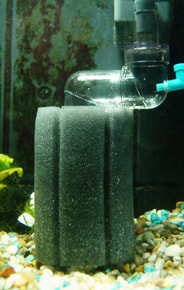
[1] Seasoned Filter Media: My preferred cycling method is to transfer filter media. Sponges work well as Autotrophic nitrifying bacteria tend to cling to sponge media in high quantities and sponge media is easily transferred, although floss, ceramic media, volcanic rock, etc. are also fine from an established aquarium and possibly along with some gravel, then introduce the fish SLOWLY after 3-7 days.
See product links:
• Ceramic biological media
• Volcanic rock Biological Aquarium
• Pond Filter Media
The method of adding “aged” or "seasoned" media is much faster (you still have to take it slow, but this with this method some fish can and should be introduced immediately), and provides all the necessary bacteria, the only negative is adding disease pathogens to your aquarium, but I have rarely encountered this problem. To prevent this transfer of disease pathogens and parasites, only use a media source where no new fish have been added in 30 days, ALL water parameters are good, and if possible, has UV Sterilization (although not necessary).
A mistake that is occasionally made is adding a new sponge filter to a fully cycled/seasoned aquarium for a week or two and then adding it to the new tank one is trying to quickly establish via this method.
Unfortunately, this filter itself would not be fully seasoned as it would have needed to be running in the established aquarium for 6-8 weeks for this to happen, so starting a new aquarium with a filter not allowed to fully season will result in poor results in the new aquarium.
It is also important to note with this method that you do not rinse filter media/gravel prior to addition to the new tank (especially not with tap water which can kill the nitrifying bacteria). The reason it is important to NOT rinse so as retain some of the organics necessary to “feed” the bacteria, especially while fish are not present. It should also be noted that true Autotrophic nitrifying bacteria secrete a glue-like substance (as noted elsewhere in this article) that allow the bacteria to cling to filter media/surfaces, so merely squeezing sponges or similar will NOT add many of these bacteria to your aquarium.
If fish are not added before 3-7 days, I suggest adding a small amount of liquefied fish food to feed your growing bacterial colonies. I will also note that the 3-7 days seems a bit vague, however this can vary due to temperature, amount of bacterial seed, and other factors, so I would not be overly concerned about the exact timing as I have added fish as soon as 2 days and as long as over a week with no problems.
For marine tanks the use of seasoned or “cured” live rock serves this purpose quite well. In Marine tanks I still prefer to add aged filter media too, if possible, along with 1-2 lbs. (2.2 -4.4 kg) CURED live rock per gallon (approx. 4 liters). Live sand is of questionable usefulness from my experience.
This method (added media) will give you more instant bio bacterial colonies and this is method that is used by far the most by the professional aquarium maintenance community (which needs faster more sure results for their clients), despite the internet popularity of the next two cycling methods.
Also keep in mind that many pathogens such as pseudomonas are usually present in a healthy aquarium, but when fish are stressed, the fish are in poor health due to poor feeding and lack of proper minerals, and/or water conditions are less than desirable- these pathogens will be opportunistic and cause a disease in the fish. We used this method for our Aquarium Maintenance route for years and never lost a fish to Ammonia or nitrite poisoning, and disease transfer was minimal. It should also be noted that when done properly, you will rarely see ammonia levels rise past .50 ppm in the aged media method.
A product that does not necessarily help speed up the cycling process itself, but de-toxifies the ammonia and nitrites during this process, allowing for less stress on fish while leaving the ammonia/nitrites still bio available to nitrifying bacteria is Prime.
See product link:
• SeaChem Prime
See product links:
• Ceramic biological media
• Volcanic rock Biological Aquarium
• Pond Filter Media
The method of adding “aged” or "seasoned" media is much faster (you still have to take it slow, but this with this method some fish can and should be introduced immediately), and provides all the necessary bacteria, the only negative is adding disease pathogens to your aquarium, but I have rarely encountered this problem. To prevent this transfer of disease pathogens and parasites, only use a media source where no new fish have been added in 30 days, ALL water parameters are good, and if possible, has UV Sterilization (although not necessary).
A mistake that is occasionally made is adding a new sponge filter to a fully cycled/seasoned aquarium for a week or two and then adding it to the new tank one is trying to quickly establish via this method.
Unfortunately, this filter itself would not be fully seasoned as it would have needed to be running in the established aquarium for 6-8 weeks for this to happen, so starting a new aquarium with a filter not allowed to fully season will result in poor results in the new aquarium.
It is also important to note with this method that you do not rinse filter media/gravel prior to addition to the new tank (especially not with tap water which can kill the nitrifying bacteria). The reason it is important to NOT rinse so as retain some of the organics necessary to “feed” the bacteria, especially while fish are not present. It should also be noted that true Autotrophic nitrifying bacteria secrete a glue-like substance (as noted elsewhere in this article) that allow the bacteria to cling to filter media/surfaces, so merely squeezing sponges or similar will NOT add many of these bacteria to your aquarium.
If fish are not added before 3-7 days, I suggest adding a small amount of liquefied fish food to feed your growing bacterial colonies. I will also note that the 3-7 days seems a bit vague, however this can vary due to temperature, amount of bacterial seed, and other factors, so I would not be overly concerned about the exact timing as I have added fish as soon as 2 days and as long as over a week with no problems.
For marine tanks the use of seasoned or “cured” live rock serves this purpose quite well. In Marine tanks I still prefer to add aged filter media too, if possible, along with 1-2 lbs. (2.2 -4.4 kg) CURED live rock per gallon (approx. 4 liters). Live sand is of questionable usefulness from my experience.
This method (added media) will give you more instant bio bacterial colonies and this is method that is used by far the most by the professional aquarium maintenance community (which needs faster more sure results for their clients), despite the internet popularity of the next two cycling methods.
Also keep in mind that many pathogens such as pseudomonas are usually present in a healthy aquarium, but when fish are stressed, the fish are in poor health due to poor feeding and lack of proper minerals, and/or water conditions are less than desirable- these pathogens will be opportunistic and cause a disease in the fish. We used this method for our Aquarium Maintenance route for years and never lost a fish to Ammonia or nitrite poisoning, and disease transfer was minimal. It should also be noted that when done properly, you will rarely see ammonia levels rise past .50 ppm in the aged media method.
A product that does not necessarily help speed up the cycling process itself, but de-toxifies the ammonia and nitrites during this process, allowing for less stress on fish while leaving the ammonia/nitrites still bio available to nitrifying bacteria is Prime.
See product link:
• SeaChem Prime
If there is adequate seasoned media, live rock, etc. you are likely to not even see a spike in ammonia or nitrite and the product of choice for making tap water safe is AAP Pro Aqua as this instantly ages water (it does not detoxify/remove ammonia though). This is the only product on the market that truly ages tap water too.
Resource:
• AAP Pro Aqua
As a negative to the aged bio-filter media, this simply may not be possible for a new aquarium owner who has no friends to obtain aged filter media or if one does not trust a Fish Store's (or even a friend's) aquarium health for obtaining aged/seasoned filter media. In this case, I would recommend one of the next two methods.
Further seasoned media cycling method tips: An ammonia spike is not uncommon with the use of seasoned media for there to be an ammonia spike when more fish are added, often this spike may take a several days depending on the amount of fish added as well as the bio load that the seasoned media has grown to handle.
Generally, this is not too much of a concern, but the use of AAP/SeaChem Prime, cutting back on feeding, and definitely placing the addition of any other fish "on hold" until the nitrifying bacteria "catch up" with the new bio load are good practices.
As an example of what happens (and this is NOT scientific, just an analogy): If say you added a sponge filter from a 20-gallon tank that is fully seeded to another 20-gallon tank that is brand new or restarted after bleaching. This seasoned Sponge filter for the sake of argument carried 50% of the bio load (assuming another exact filter), in theory you could only stock this new tank to 50%. If the seasoned filter only carried 25% of the bio load from the tank it was removed from, then you could only initially stock the new tank to 25% initially.
I should note that with the use of seasoned filter media, generally the nitrifying filter media will quickly colonize the rest of the tank, so waiting 6-8 weeks to add more fish is rarely necessary (at least I have never observed this in many trials using seasoned filter media).
Resource:
• AAP Pro Aqua
As a negative to the aged bio-filter media, this simply may not be possible for a new aquarium owner who has no friends to obtain aged filter media or if one does not trust a Fish Store's (or even a friend's) aquarium health for obtaining aged/seasoned filter media. In this case, I would recommend one of the next two methods.
Further seasoned media cycling method tips: An ammonia spike is not uncommon with the use of seasoned media for there to be an ammonia spike when more fish are added, often this spike may take a several days depending on the amount of fish added as well as the bio load that the seasoned media has grown to handle.
Generally, this is not too much of a concern, but the use of AAP/SeaChem Prime, cutting back on feeding, and definitely placing the addition of any other fish "on hold" until the nitrifying bacteria "catch up" with the new bio load are good practices.
As an example of what happens (and this is NOT scientific, just an analogy): If say you added a sponge filter from a 20-gallon tank that is fully seeded to another 20-gallon tank that is brand new or restarted after bleaching. This seasoned Sponge filter for the sake of argument carried 50% of the bio load (assuming another exact filter), in theory you could only stock this new tank to 50%. If the seasoned filter only carried 25% of the bio load from the tank it was removed from, then you could only initially stock the new tank to 25% initially.
I should note that with the use of seasoned filter media, generally the nitrifying filter media will quickly colonize the rest of the tank, so waiting 6-8 weeks to add more fish is rarely necessary (at least I have never observed this in many trials using seasoned filter media).
[2] Ammonia Method: Another method is fishless cycling where un-scented pure ammonia is poured into the aquarium. Add 3-5 drops per gallon pure ammonia) so as to bring your ammonia level to 3-4 ppm. Then repeat this a few times, each time waiting for the ammonia level to get back to "safe" before. Continue to add ammonia into the aquarium until the ammonia level goes to zero within 8-12 hours after the ammonia is put in. As well the nitrites should also come down and stay down at 0.
As noted, 4 ppm is a typical fishless cycling target. Higher (7 ppm) or lower (3 ppm) is also OK for healthy bacterial colony growth (based on mine and others in the maintenance communities experience).
This process usually takes about 3-6 weeks for the aquarium to cycle (when your ammonia and nitrites have dropped to 0). However, please check your ammonia purchase by shaking the bottle at the store, if it foams or bubbles, it has detergents and should not be used.
This method is growing in popularity; however, it is not without a few drawbacks. Here are some pluses and minuses to this method:
• This method does not add actual bacteria (and is not really any quicker than the method below: adding fish food to a fishless aquarium) and because human nature is to want to add fish sooner than the 3-6 weeks it takes for this method.
• It is still not as quick as my preferred method above (seeded media, gravel, sand, live rock).
• This method is especially dangerous when used with live rock and/or sand that have already been added as the ammonia will kill me organisms that reside in live rock adding even more ammonia and pollution to your tank thus defeating the reason for this method.
• As a positive, if patience can be observed, this method is very safe when one considers the possibility of disease pathogen introduction from the aged media method (no matter how remote the risk).
• The pure ammonia method also has a positive over the fish food method in that there is no risk of Saprolegnia (mold) introduction to the new aquarium (although the “raw shrimp method” is of vastly higher risk for this than the fish food method).
• With both this and the dissolved fish food method, addition of any medications during the cycling process can and most often will interrupt correct establishment of a bio filter.
As noted, 4 ppm is a typical fishless cycling target. Higher (7 ppm) or lower (3 ppm) is also OK for healthy bacterial colony growth (based on mine and others in the maintenance communities experience).
This process usually takes about 3-6 weeks for the aquarium to cycle (when your ammonia and nitrites have dropped to 0). However, please check your ammonia purchase by shaking the bottle at the store, if it foams or bubbles, it has detergents and should not be used.
This method is growing in popularity; however, it is not without a few drawbacks. Here are some pluses and minuses to this method:
• This method does not add actual bacteria (and is not really any quicker than the method below: adding fish food to a fishless aquarium) and because human nature is to want to add fish sooner than the 3-6 weeks it takes for this method.
• It is still not as quick as my preferred method above (seeded media, gravel, sand, live rock).
• This method is especially dangerous when used with live rock and/or sand that have already been added as the ammonia will kill me organisms that reside in live rock adding even more ammonia and pollution to your tank thus defeating the reason for this method.
• As a positive, if patience can be observed, this method is very safe when one considers the possibility of disease pathogen introduction from the aged media method (no matter how remote the risk).
• The pure ammonia method also has a positive over the fish food method in that there is no risk of Saprolegnia (mold) introduction to the new aquarium (although the “raw shrimp method” is of vastly higher risk for this than the fish food method).
• With both this and the dissolved fish food method, addition of any medications during the cycling process can and most often will interrupt correct establishment of a bio filter.
[3] Fish Food Aquarium Cycling Method: Another method is the gradual addition of fish food to an otherwise empty aquarium (no fish). This can be a very effective means of cycling that is preferred by many experienced aquarists. This method takes about the same time as the pure ammonia method (2-6 weeks, usually about 3). This is my preferred method when aged bio media is not available (not everyone has a friend or helpful local fish store to give them some aged media).
The only risk of the fish food method is the possibility of Saprolegnia (mold) growing on rotting fish food which can become pathogenic to new fish that will be introduced later. Despite the many copycat websites that Google and Bing now bring up with no actual experience, this is easily avoided with a fish flake food by powdering it between fingers before introduction to the aquarium (shaking/liquifying fish flake food in a cup of water can also accomplish this). In other words, do NOT add directly as some inexperience web sites suggest! This risk is relatively small and basically non-existent when you use an easily “liquefied” fish flake food. This unfortunately is NOT the case with the raw shrimp method (recommended by a few poorly researched websites & YouTube videos).
TIP/NOTE: I suggest for even better utilization of the fish food cycling method to add this liquified fish food to a baster or syringe and in inject directly into a running high capacity sponge filter (such as the AAP Hydro Sponge Filter) or similar quality bio filter (beware of the cheap Chinese knock offs now flooding the market that have much lower capacity than the original made in USA Hydro Sponge Filters).
It is also noteworthy, especially if you use this tip, that sometimes little or no ammonia is ever detected as the seeding goes this fast (similar to the seasoned bio filter method). The key that this is happening is that nitrates levels start to climb (assuming no water changes are performed during this process, which there should not be water changes during the seeding process).
With this method, you want to with just a pinch of fish food for every 10-20 gallons per day with testing prior to each addition of liquified fish food. Once the ammonia goes up, reduce amounts and adjust daily until the ammonia goes down.
Regardless of fishless cycling method chosen, the bio load is always going to be in flux (higher or lower). When higher is needed, nitrifying bacteria double in population in 18 to 24 hours. When less are needed, they die back and are consumed by each other.
Please note, that with both this and the pure ammonia method, addition of any medications during the cycling process can and most often will interrupt correct establishment of a bio filter.
[4] Other fishless cycling methods: There are other methods of fishless cycling being recommended or used however one method being pushed on the internet by "cut & paste", anecdotal websites and forums is the use of Raw Shrimp; however this is a recycled idea (which included the use of silversides, frozen shrimp, and even dead feeder fish) and has reappeared on the internet even though it was debunked in the early 1990's!
I do not recommend this method, not because it does not work for cycling, but because it may also allow a Saprolegnia infection to get started in your new aquarium (or at the very least; heterotrophic bacteria which is not a desirable nitrifying bacterium as discussed earlier). Saprolegnia is a mold (often called a fungus) that easily gets a foot hold in decaying nitrogenous matter such as raw shrimp and I have seen this many times in my experiments. Even after the source of Saprolegnia growth is removed, the secondary zoospores which are the primary mode of pathogenic transmission can remain, even after large water changes/vacuuming's. A new tank is the worst time to have a Saprolegnia infection get started as this is when fish are often much less resistant to disease due to the stressor of a new tank environment.
I should note back when this method was making its “rounds” in popularity that it worked fine in many instances and with a 100% water change and vacuuming of gravel can reduce this risk even further, however some risk still remains as per my many tests of pathogens and as per the often-misunderstood lifecycle of Saprolegnia.
Please Reference for further information:
• Saprolegnia in Aquariums
Another note/point is that even the fish food method (as noted earlier) can allow for Saprolegnia to get a foothold in an aquarium if food is simply dumped into an aquarium, making this method not any better than the “Raw Shrimp or Silversides” method as its decay will also attract Saprolegnia (or heterotrophic bacteria), so make sure to liquefy fish food prior to addition to your aquarium when used for cycling.
As a final point, this article has a section dealing with water changes and their effect on pathogens or similar:
• Aquarium Disease Prevention; Section 1, Cleanliness
The only risk of the fish food method is the possibility of Saprolegnia (mold) growing on rotting fish food which can become pathogenic to new fish that will be introduced later. Despite the many copycat websites that Google and Bing now bring up with no actual experience, this is easily avoided with a fish flake food by powdering it between fingers before introduction to the aquarium (shaking/liquifying fish flake food in a cup of water can also accomplish this). In other words, do NOT add directly as some inexperience web sites suggest! This risk is relatively small and basically non-existent when you use an easily “liquefied” fish flake food. This unfortunately is NOT the case with the raw shrimp method (recommended by a few poorly researched websites & YouTube videos).
TIP/NOTE: I suggest for even better utilization of the fish food cycling method to add this liquified fish food to a baster or syringe and in inject directly into a running high capacity sponge filter (such as the AAP Hydro Sponge Filter) or similar quality bio filter (beware of the cheap Chinese knock offs now flooding the market that have much lower capacity than the original made in USA Hydro Sponge Filters).
It is also noteworthy, especially if you use this tip, that sometimes little or no ammonia is ever detected as the seeding goes this fast (similar to the seasoned bio filter method). The key that this is happening is that nitrates levels start to climb (assuming no water changes are performed during this process, which there should not be water changes during the seeding process).
With this method, you want to with just a pinch of fish food for every 10-20 gallons per day with testing prior to each addition of liquified fish food. Once the ammonia goes up, reduce amounts and adjust daily until the ammonia goes down.
Regardless of fishless cycling method chosen, the bio load is always going to be in flux (higher or lower). When higher is needed, nitrifying bacteria double in population in 18 to 24 hours. When less are needed, they die back and are consumed by each other.
Please note, that with both this and the pure ammonia method, addition of any medications during the cycling process can and most often will interrupt correct establishment of a bio filter.
[4] Other fishless cycling methods: There are other methods of fishless cycling being recommended or used however one method being pushed on the internet by "cut & paste", anecdotal websites and forums is the use of Raw Shrimp; however this is a recycled idea (which included the use of silversides, frozen shrimp, and even dead feeder fish) and has reappeared on the internet even though it was debunked in the early 1990's!
I do not recommend this method, not because it does not work for cycling, but because it may also allow a Saprolegnia infection to get started in your new aquarium (or at the very least; heterotrophic bacteria which is not a desirable nitrifying bacterium as discussed earlier). Saprolegnia is a mold (often called a fungus) that easily gets a foot hold in decaying nitrogenous matter such as raw shrimp and I have seen this many times in my experiments. Even after the source of Saprolegnia growth is removed, the secondary zoospores which are the primary mode of pathogenic transmission can remain, even after large water changes/vacuuming's. A new tank is the worst time to have a Saprolegnia infection get started as this is when fish are often much less resistant to disease due to the stressor of a new tank environment.
I should note back when this method was making its “rounds” in popularity that it worked fine in many instances and with a 100% water change and vacuuming of gravel can reduce this risk even further, however some risk still remains as per my many tests of pathogens and as per the often-misunderstood lifecycle of Saprolegnia.
Please Reference for further information:
• Saprolegnia in Aquariums
Another note/point is that even the fish food method (as noted earlier) can allow for Saprolegnia to get a foothold in an aquarium if food is simply dumped into an aquarium, making this method not any better than the “Raw Shrimp or Silversides” method as its decay will also attract Saprolegnia (or heterotrophic bacteria), so make sure to liquefy fish food prior to addition to your aquarium when used for cycling.
As a final point, this article has a section dealing with water changes and their effect on pathogens or similar:
• Aquarium Disease Prevention; Section 1, Cleanliness
[5] Cycling Products: There are many products for cycling available too, but most in my experience/tests do not work well with the exception of AAP Bacter Plus, SeaChem Stability, Fritz #7 or #9, Microbe-Lift Nite Out, Dr Tim's One & Only, & possibly BioSpira.
Properly cared for BioSpira (continuous refrigeration is a must, as well shelf life is still short) or Fritz-Zyme Turbo Start #700 (Freshwater)& #900 (saltwater) can be effective as these are live albeit very fragile Autotrophic bacteria. The key for BioSpira and Fritz Turbo Start is proper care, the shelf life is short, and both must be stored between 34 F and 40 F. In my opinion, the Fritz product is better since it is sold directly with better control of shelf life, refrigeration, and shipping to the end customer.
Also, both of these products are best used in truly new, unestablished aquariums, NOT aquariums with weakened nitrifying filters whatever the cause (based on my experiments/observations).
Fritz also has a less concentrated live nitrifying bacteria, #7 and #9, that does not require refrigeration and has a much longer shelf life. Since shipping of the Turbo Start has its risks, especially in warm weather as well as the ease of forgetting to refrigerate once received, I prefer the Fritz #7 (freshwater) & #9 (saltwater) even though less concentrated. I should note that in controlled tests with Fritz, this did not perform as well as Stability and earlier use of AAP Bacter Plus showed even better yet results, so either of these products should be a first choice.
It is also noteworthy that many I know in the aquatic community such as others in aquarium maintenance profession as well as aquatic forums have not had all that good of results in tests with BioSpira, possibly due to poor storage, etc.
Most other products are Heterotrophs, which cannot truly cycle an aquarium and are at best useful for spikes in bio loadsof established aquariums.
Reference:
• Bio Load in an Aquarium or Pond
Another problem with many cycling products is due to the fact that aerobic nitrifying bacteria cling to media and gravel (this has been PROVEN scientifically) and do not work while suspended in water.
Also poor storage and shelf life undoubtedly play a role as well, and proper since storage and handling cannot often be well verified, this explains the often-mixed results especially with BioSpira. It should also be noted that many freshwater products generally cannot be used in saltwater or vice versa, although I have not had this problem with AAP Bacter Plus or Stability.
Liquid Cycle, Quick Start, and Stress-Zyme are just preserved bacteria (mostly Heterotrophs) that are more useful for over feeding or other bio-overloads in an established aquarium (as aerobic bacteria needed for nitrification do not store well in liquid form at room temperature without oxygen). Honestly in my tests Cycle or Stress Zyme are really only useful to aid in breakdown of excess wastes from over feeding, poor filtration, etc. (Cycle can also be used as an aid to organic breakdown while waiting for your aquarium Nitrogen Cycle to get started from other means when fish are present). The Heterotrophic Bacteria within these products can aid in the decomposing of excess organic waste however they are basically useless for actually seeding an aquarium. This is a FACT as per the earlier section of this article about nitrification as to true nitrifying bacteria being Autotrophic, not Heterotrophic.
Tetra Safe Start is another newer product, that makes many claims, but without any real proof to date (as well previous experience with most of their products over the last 3 decades leaves me with LITTLE trust of any product with a Tetra Label). That said, I know a few persons I trust that have used this product (I have not) with poor to fair results (though better results than Cycle or StressZyme). These tests were not controlled though, so these are more of an observation.
An excellent aquarium cycling product brought back by AAP is Bacter Plus. AAP Bacter Plus utilizes "Bacillus Subtillis" which has been domesticated for many uses and is USDA approved too. "Bacillus subtillis" has high heat tolerance and makes for an excellent aquarium cycling aid as well as for removal of organic sludge and restoring damaged bio filters.
To purchase:
• AAP Bacter Plus with Bacillus Subtillis; Premium Cycling Aid
Another product on the market by a VERY reputable company; SeaChem, is “Stability”. SeaChem claims this to be a synergistic blend of aerobic (including encapsulated oxygen Autotrophs), anaerobic, and facultative bacteria.
To purchase:
• SeaChem Stability
What SeaChem provides is an autotrophic nitrifying bacterium that would normally shut down and become dormant until oxygen and ammonia/nitrite again become available that normally takes considerable time to revive (they can last for years in this state), that revive relatively quickly. In the meantime, the quick acting facultative bacteria temporarily act as the agents of nitrification, however facultative bacteria are NOT the primary bacteria of nitrification and are mostly Heterotrophs of which I discussed the differences earlier in the article, so use of this product for cycling is helpful, it should not be used as a crutch for adding fish too quickly.
Dr Tim's One & Only & Microbe-Lift Nite Out are similar, both with "lab developed" aquarium nitrifiers that can be stored at room temperature in sealed bottles (although I personally do NOT recommend Dr. Tim's for reasons of business practices that I will not share).
One major positive of these products over other products such as Stress Zyme or Microbe-Lift that also employ Heterotrophs is that its synergistic blend does not "dump" these into the aquarium/pond thus taking over any true nitrifying Autotrophs that may be present, thus it allows for establishment of your bio filter while it also takes care of immediate and slowly released nitrogenous wastes ('Microbe-Lift Nite Out' is similar to Stability as it is primarily 'aerobic encapsulated oxygen' Autotrophs).
My recommendation in the past as it pertains to Stability & the other similar products is to use it as an aid in cycling of new aquariums or (better) as a boost when the bio load of an aquarium suddenly “jumps’ for whatever reason, NOT a primary way to cycle your aquarium. HOWEVER, a new study that AAP has sponsored, had results with a controlled test where Stability beat even Fritz-Zyme in results, something even I did not expect, but this is where a SCIENCE BASED EXPERIMENT TRUMPS OBSERVATION EVERY TIME!
Here is a link to this study, please note that the data records are very well documented and there is no fudging of data as well as is so common today's politically and corporately driven science:
• Experiment 1- Cycle Aids: Fritz vs. SeaChem
If any non-refrigerated cycling product is to be used in an aquarium, as I noted earlier, Stability would be the first choice I would recommend for an aquarium that already has fish and is encountering cycling problems (whether an established aquarium that had a spike in bio load for whatever reason or a newer tank that had a setback for whatever reason).
More bluntly, Stability, along with POSSIBLY "Microbe-Lift Nite Out", & "Dr Tim's One & Only" are the best non-refrigerated aquarium/pond cycling products available. However I still have to question all these products when it comes to storage claims, as there are often variables such as heat that are beyond the control of the manufacturer and distribution methods.
Quote from a fish forum about the use of Stability, Cycle, Stress-Zyme: "I can't say enough about Seachem's Stability. It is a miracle worker. I started a 45-liter Eclipse tank just after Christmas, and it never stabilized. In fact, after 7 weeks, the ammonia had risen to well past the 8.0 ppm on the test card. The guys at the local fish store couldn't believe anything was still alive in there, the fish guys told me to use heavy duty doses of Cycle to clear up the ammonia, but two weeks later with no change, I decided to scrap the whole setup and start over. I waited a week to put the fish back in. Within 24 hours, the ammonia level had climbed two colors on the chart, and I hadn't even fed the fish! Exasperated, I went online to find a solution. I found lots of recommendations for Bio-Spira, and I would have probably gotten it if the store had not been out of it. There was only one bottle of Stability, I took it home and added it to my quickly clouding water, and within 24 hours, 80% of the cloudiness was gone. Within 36 hours the ammonia level had dropped to almost normal. I couldn't believe my eyes! After using half a bottle of Cycle over 2 weeks to no avail, (ditto with the StressZyme) this Stability came along and fixed what no one else seemed to be able to! I am one happy camper, and I would recommend Stability to everyone!" Maire S.
• Note: With any cycling product (especially the more proven products such as Fritz Turbo Start and Stability), it is best to add these products only when “food” in the form of raw ammonia or fish waste is present; so, my recommendation is to wait a day or two after adding fish or to add pure ammonia immediately prior to these products.
• "Dry" Cycling Products: There are many powered cycling products such as API Pond Zyme and the aquarium "EcoBio-Block". These are again only Heterotrophs (due to the drying process) and these products are best used during times of bio stress or for "sludge clean up" (often followed by a water change). These products should not be used on a regular basis, otherwise natural healthy nitrifying bacteria will be 'out competed', resulting in an unstable aquarium or pond nitrogen cycle.
PLEASE reference this article for more information to back up what I am saying:
• Bacteria: Life History and Ecology
Properly cared for BioSpira (continuous refrigeration is a must, as well shelf life is still short) or Fritz-Zyme Turbo Start #700 (Freshwater)& #900 (saltwater) can be effective as these are live albeit very fragile Autotrophic bacteria. The key for BioSpira and Fritz Turbo Start is proper care, the shelf life is short, and both must be stored between 34 F and 40 F. In my opinion, the Fritz product is better since it is sold directly with better control of shelf life, refrigeration, and shipping to the end customer.
Also, both of these products are best used in truly new, unestablished aquariums, NOT aquariums with weakened nitrifying filters whatever the cause (based on my experiments/observations).
Fritz also has a less concentrated live nitrifying bacteria, #7 and #9, that does not require refrigeration and has a much longer shelf life. Since shipping of the Turbo Start has its risks, especially in warm weather as well as the ease of forgetting to refrigerate once received, I prefer the Fritz #7 (freshwater) & #9 (saltwater) even though less concentrated. I should note that in controlled tests with Fritz, this did not perform as well as Stability and earlier use of AAP Bacter Plus showed even better yet results, so either of these products should be a first choice.
It is also noteworthy that many I know in the aquatic community such as others in aquarium maintenance profession as well as aquatic forums have not had all that good of results in tests with BioSpira, possibly due to poor storage, etc.
Most other products are Heterotrophs, which cannot truly cycle an aquarium and are at best useful for spikes in bio loadsof established aquariums.
Reference:
• Bio Load in an Aquarium or Pond
Another problem with many cycling products is due to the fact that aerobic nitrifying bacteria cling to media and gravel (this has been PROVEN scientifically) and do not work while suspended in water.
Also poor storage and shelf life undoubtedly play a role as well, and proper since storage and handling cannot often be well verified, this explains the often-mixed results especially with BioSpira. It should also be noted that many freshwater products generally cannot be used in saltwater or vice versa, although I have not had this problem with AAP Bacter Plus or Stability.
Liquid Cycle, Quick Start, and Stress-Zyme are just preserved bacteria (mostly Heterotrophs) that are more useful for over feeding or other bio-overloads in an established aquarium (as aerobic bacteria needed for nitrification do not store well in liquid form at room temperature without oxygen). Honestly in my tests Cycle or Stress Zyme are really only useful to aid in breakdown of excess wastes from over feeding, poor filtration, etc. (Cycle can also be used as an aid to organic breakdown while waiting for your aquarium Nitrogen Cycle to get started from other means when fish are present). The Heterotrophic Bacteria within these products can aid in the decomposing of excess organic waste however they are basically useless for actually seeding an aquarium. This is a FACT as per the earlier section of this article about nitrification as to true nitrifying bacteria being Autotrophic, not Heterotrophic.
Tetra Safe Start is another newer product, that makes many claims, but without any real proof to date (as well previous experience with most of their products over the last 3 decades leaves me with LITTLE trust of any product with a Tetra Label). That said, I know a few persons I trust that have used this product (I have not) with poor to fair results (though better results than Cycle or StressZyme). These tests were not controlled though, so these are more of an observation.
An excellent aquarium cycling product brought back by AAP is Bacter Plus. AAP Bacter Plus utilizes "Bacillus Subtillis" which has been domesticated for many uses and is USDA approved too. "Bacillus subtillis" has high heat tolerance and makes for an excellent aquarium cycling aid as well as for removal of organic sludge and restoring damaged bio filters.
To purchase:
• AAP Bacter Plus with Bacillus Subtillis; Premium Cycling Aid
Another product on the market by a VERY reputable company; SeaChem, is “Stability”. SeaChem claims this to be a synergistic blend of aerobic (including encapsulated oxygen Autotrophs), anaerobic, and facultative bacteria.
To purchase:
• SeaChem Stability
What SeaChem provides is an autotrophic nitrifying bacterium that would normally shut down and become dormant until oxygen and ammonia/nitrite again become available that normally takes considerable time to revive (they can last for years in this state), that revive relatively quickly. In the meantime, the quick acting facultative bacteria temporarily act as the agents of nitrification, however facultative bacteria are NOT the primary bacteria of nitrification and are mostly Heterotrophs of which I discussed the differences earlier in the article, so use of this product for cycling is helpful, it should not be used as a crutch for adding fish too quickly.
Dr Tim's One & Only & Microbe-Lift Nite Out are similar, both with "lab developed" aquarium nitrifiers that can be stored at room temperature in sealed bottles (although I personally do NOT recommend Dr. Tim's for reasons of business practices that I will not share).
One major positive of these products over other products such as Stress Zyme or Microbe-Lift that also employ Heterotrophs is that its synergistic blend does not "dump" these into the aquarium/pond thus taking over any true nitrifying Autotrophs that may be present, thus it allows for establishment of your bio filter while it also takes care of immediate and slowly released nitrogenous wastes ('Microbe-Lift Nite Out' is similar to Stability as it is primarily 'aerobic encapsulated oxygen' Autotrophs).
My recommendation in the past as it pertains to Stability & the other similar products is to use it as an aid in cycling of new aquariums or (better) as a boost when the bio load of an aquarium suddenly “jumps’ for whatever reason, NOT a primary way to cycle your aquarium. HOWEVER, a new study that AAP has sponsored, had results with a controlled test where Stability beat even Fritz-Zyme in results, something even I did not expect, but this is where a SCIENCE BASED EXPERIMENT TRUMPS OBSERVATION EVERY TIME!
Here is a link to this study, please note that the data records are very well documented and there is no fudging of data as well as is so common today's politically and corporately driven science:
• Experiment 1- Cycle Aids: Fritz vs. SeaChem
If any non-refrigerated cycling product is to be used in an aquarium, as I noted earlier, Stability would be the first choice I would recommend for an aquarium that already has fish and is encountering cycling problems (whether an established aquarium that had a spike in bio load for whatever reason or a newer tank that had a setback for whatever reason).
More bluntly, Stability, along with POSSIBLY "Microbe-Lift Nite Out", & "Dr Tim's One & Only" are the best non-refrigerated aquarium/pond cycling products available. However I still have to question all these products when it comes to storage claims, as there are often variables such as heat that are beyond the control of the manufacturer and distribution methods.
Quote from a fish forum about the use of Stability, Cycle, Stress-Zyme: "I can't say enough about Seachem's Stability. It is a miracle worker. I started a 45-liter Eclipse tank just after Christmas, and it never stabilized. In fact, after 7 weeks, the ammonia had risen to well past the 8.0 ppm on the test card. The guys at the local fish store couldn't believe anything was still alive in there, the fish guys told me to use heavy duty doses of Cycle to clear up the ammonia, but two weeks later with no change, I decided to scrap the whole setup and start over. I waited a week to put the fish back in. Within 24 hours, the ammonia level had climbed two colors on the chart, and I hadn't even fed the fish! Exasperated, I went online to find a solution. I found lots of recommendations for Bio-Spira, and I would have probably gotten it if the store had not been out of it. There was only one bottle of Stability, I took it home and added it to my quickly clouding water, and within 24 hours, 80% of the cloudiness was gone. Within 36 hours the ammonia level had dropped to almost normal. I couldn't believe my eyes! After using half a bottle of Cycle over 2 weeks to no avail, (ditto with the StressZyme) this Stability came along and fixed what no one else seemed to be able to! I am one happy camper, and I would recommend Stability to everyone!" Maire S.
• Note: With any cycling product (especially the more proven products such as Fritz Turbo Start and Stability), it is best to add these products only when “food” in the form of raw ammonia or fish waste is present; so, my recommendation is to wait a day or two after adding fish or to add pure ammonia immediately prior to these products.
• "Dry" Cycling Products: There are many powered cycling products such as API Pond Zyme and the aquarium "EcoBio-Block". These are again only Heterotrophs (due to the drying process) and these products are best used during times of bio stress or for "sludge clean up" (often followed by a water change). These products should not be used on a regular basis, otherwise natural healthy nitrifying bacteria will be 'out competed', resulting in an unstable aquarium or pond nitrogen cycle.
PLEASE reference this article for more information to back up what I am saying:
• Bacteria: Life History and Ecology
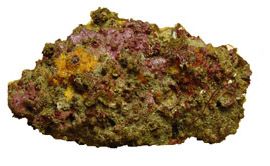
[6] Marine Aquariums: Seasoned Live Rock is an excellent way to jump start your marine tank nitrogen cycle. By seasoned I mean live rock that has been in a healthy established marine/saltwater aquarium at least 6 weeks, and more preferably 8 plus weeks. Be careful of buying so-called live rock for a new aquarium that just arrived at your local retailer or online.
This live rock should likely also have some “food” for the nitrifying bacteria as well as healthy colonies of Nitrosococcus, Nitrospira, & Nitrococcus nitrifying bacteria in the outer areas where oxygenated water circulation can reach these bacteria. It is important to keep good circulation around your live rock with a power head or propeller pump once introduced into your new aquarium.
Product Resource:
• Seio Reliable High Performance Propeller Aquarium Pump
I would point out that live sand does not add nitrifying bacteria in significant amounts to help jump start your nitrogen cycle nearly as well as live rock due to the fact of oxygen depth penetration. Also, it should be noted that these high-priced bags of live sand commonly sold primarily contain Heterotrophic Bacteria which are NOT the primary bacteria of nitrification. True nitrifying Autotrophic Bacteria will NOT live long (or go uselessly dormant) in a sealed bag so the best you will get out of these pre-packaged live sandbags is some de-nitrifying anaerobic bacteria which in my opinion is not worth the price and one is better off just buying dry #00 oolite sand for much less. This is not to advocate against a deep sand bed, far from it, but only to state that the primary objective for this is for anaerobic bacteria which results in Nitrate control (not ammonia/nitrites).
Also, the use of “live saltwater” is NOT based in any real scientific evidence since nitrifying bacteria secrete glue like substance to adhere to substances such as live rock and are generally not found in real quantity in the water column.
Finally, I will note as to different cycling methods: I have used these different methods in my aquarium maintenance and research business in controlled tests and still found that the added media/sand/gravel/seasoned live rock method works fastest and with the best results, although I have also had good results with this method combined with the fish food method (do not combine with the pure ammonia method).
• Effect of plants on Aquarium Cycling: As mentioned earlier, many plants such as Hornwort also remove nitrogenous waste. I usually do not add all the plants I desire until the aquarium is fully cycled (regardless of method used), which is usually 2-3 weeks. The plants will help carry the waste load vs. an aquarium without plants, in fact in a heavily planted aquarium, it is quite common for the plants to remove all nitrogenous compounds before bacteria can act upon these, thus neutralizing any bacteria-based bio filter.
I personally like to see at least some bacteria establish it self before a full load of plants are added (but there are others with have no problem with such a method). Having plants in the beginning does help keep the dangers of ammonia (NH3) or Nitrites (NO2) from building to toxic levels, which allows for a quicker addition of fish to your aquarium.
What heavily planted aquarium keepers should be aware of is that if the plants suddenly shut down their photosynthesis and all nutrient uptake, this can result in sudden ammonia spikes. This includes light failures, medication or certain medication combinations, or any other factor that neutralizes plant bio functioning. For this reason, having a seeded bio filter, even if in another aquarium that can be moved over is important. The AAP Hydro Sponge Filters are excellent for such a use.
This live rock should likely also have some “food” for the nitrifying bacteria as well as healthy colonies of Nitrosococcus, Nitrospira, & Nitrococcus nitrifying bacteria in the outer areas where oxygenated water circulation can reach these bacteria. It is important to keep good circulation around your live rock with a power head or propeller pump once introduced into your new aquarium.
Product Resource:
• Seio Reliable High Performance Propeller Aquarium Pump
I would point out that live sand does not add nitrifying bacteria in significant amounts to help jump start your nitrogen cycle nearly as well as live rock due to the fact of oxygen depth penetration. Also, it should be noted that these high-priced bags of live sand commonly sold primarily contain Heterotrophic Bacteria which are NOT the primary bacteria of nitrification. True nitrifying Autotrophic Bacteria will NOT live long (or go uselessly dormant) in a sealed bag so the best you will get out of these pre-packaged live sandbags is some de-nitrifying anaerobic bacteria which in my opinion is not worth the price and one is better off just buying dry #00 oolite sand for much less. This is not to advocate against a deep sand bed, far from it, but only to state that the primary objective for this is for anaerobic bacteria which results in Nitrate control (not ammonia/nitrites).
Also, the use of “live saltwater” is NOT based in any real scientific evidence since nitrifying bacteria secrete glue like substance to adhere to substances such as live rock and are generally not found in real quantity in the water column.
Finally, I will note as to different cycling methods: I have used these different methods in my aquarium maintenance and research business in controlled tests and still found that the added media/sand/gravel/seasoned live rock method works fastest and with the best results, although I have also had good results with this method combined with the fish food method (do not combine with the pure ammonia method).
• Effect of plants on Aquarium Cycling: As mentioned earlier, many plants such as Hornwort also remove nitrogenous waste. I usually do not add all the plants I desire until the aquarium is fully cycled (regardless of method used), which is usually 2-3 weeks. The plants will help carry the waste load vs. an aquarium without plants, in fact in a heavily planted aquarium, it is quite common for the plants to remove all nitrogenous compounds before bacteria can act upon these, thus neutralizing any bacteria-based bio filter.
I personally like to see at least some bacteria establish it self before a full load of plants are added (but there are others with have no problem with such a method). Having plants in the beginning does help keep the dangers of ammonia (NH3) or Nitrites (NO2) from building to toxic levels, which allows for a quicker addition of fish to your aquarium.
What heavily planted aquarium keepers should be aware of is that if the plants suddenly shut down their photosynthesis and all nutrient uptake, this can result in sudden ammonia spikes. This includes light failures, medication or certain medication combinations, or any other factor that neutralizes plant bio functioning. For this reason, having a seeded bio filter, even if in another aquarium that can be moved over is important. The AAP Hydro Sponge Filters are excellent for such a use.
Maintaining a healthy nitrogen cycle
Cycling Summary: Water changes are helpful during cycling, whether fishless or with methods such as “seasoned filter media” that allow for fish to be present. This is a point that is often missed due to inaccurate information that is still disseminated about lowering bacteria in the water column or in the gravel by performing water changes since aerobic Autotrophic nitrifying bacteria secrete a glue-like substance (please see the section near the beginning of this article: “Biofiltration”).
A test noted by a member of Everything Aquatic (unconfirmed) showed that a tank that had small water changes performed cycled faster by one day. (He had 2 tanks both fishless cycled from scratch, using ammonia drops- same dose in both tanks. One tank he left alone other than dosing ammonia, the other he maintained lower ammonia levels with water changes). This should be true for any cycling method and these water changes should be perform immediately before the introduction of any cycling product, ammonia, seasoned media, fish food puree, etc. An explanation of these results is probably due to the fact that water changes can improve oxygen levels while removing organic waste decomposition, both of which help Autotrophic Bacteria out-compete Heterotrophic Bacteria.
Please also note that whatever method you choose to cycle your aquarium from aged media, pure ammonia, or Bio Spira; that if your fish are exposed to high ammonia and nitrites for any prolonged period (over 24 hours in my opinion), these fish can and will suffer permanent gill damage that will cause future problems with disease resistance and even overall aquarium health as these fish may become a starting point for opportunistic infections, which is another reason that either adding generous amounts of “seasoned” filter media while fish are present or simply waiting until the tank/pond is cycled is best for the health of fish that may be subjected to high ammonia/nitrites.
Another important point as to the use of cycling products, whether it be Cycle or the overly touted Bio Spira; often aquarists (even so-called experts, and I have to admit to being guilty to this at times myself), will base an opinion on whether a product or method is effective or is not effective on non-controlled observations. Let me give an example; If you added fish to a non-cycled aquarium, then started adding Cycle to this aquarium and noticed improved fish survival and lower ammonia/nitrites you might assume that this product is cycling your aquarium, this would be a wrong assumption!
Here is my explanation: The Heterotrophic Bacteria contained in Cycle will decompose some of the organics, thus lowering initial ammonia output, but this is not actually “seeding” your aquarium because as soon as you cease using this product your ammonia will go right up due to the lack of Autotrophic nitrifying bacteria. This can also even be said about Bio Spira as it is highly possible for the Autotrophic bacteria to die off (or go uselessly dormant) leaving the Heterotrophic bacteria behind (the Heterotrophic bacteria survive much longer in a sealed container) giving the casual observer the impression that the product is performing an action it is not. Even the use of products such as Prime or Amquel Plus (which I highly recommend) will give a similar impression by limiting the toxic side effects of ammonia/nitrite while being used, but these products do not actually cycle your aquarium either!
Of course, my example also shows where these products can be useful as well, just do not depend on them for cycling. I might also make the point that by either employing fishless cycling or aged filter media, this should never come down to the use of such products (unless your bio filter has been disrupted by the use of gram-positive medications, extended, power failures, etc.).
A test noted by a member of Everything Aquatic (unconfirmed) showed that a tank that had small water changes performed cycled faster by one day. (He had 2 tanks both fishless cycled from scratch, using ammonia drops- same dose in both tanks. One tank he left alone other than dosing ammonia, the other he maintained lower ammonia levels with water changes). This should be true for any cycling method and these water changes should be perform immediately before the introduction of any cycling product, ammonia, seasoned media, fish food puree, etc. An explanation of these results is probably due to the fact that water changes can improve oxygen levels while removing organic waste decomposition, both of which help Autotrophic Bacteria out-compete Heterotrophic Bacteria.
Please also note that whatever method you choose to cycle your aquarium from aged media, pure ammonia, or Bio Spira; that if your fish are exposed to high ammonia and nitrites for any prolonged period (over 24 hours in my opinion), these fish can and will suffer permanent gill damage that will cause future problems with disease resistance and even overall aquarium health as these fish may become a starting point for opportunistic infections, which is another reason that either adding generous amounts of “seasoned” filter media while fish are present or simply waiting until the tank/pond is cycled is best for the health of fish that may be subjected to high ammonia/nitrites.
Another important point as to the use of cycling products, whether it be Cycle or the overly touted Bio Spira; often aquarists (even so-called experts, and I have to admit to being guilty to this at times myself), will base an opinion on whether a product or method is effective or is not effective on non-controlled observations. Let me give an example; If you added fish to a non-cycled aquarium, then started adding Cycle to this aquarium and noticed improved fish survival and lower ammonia/nitrites you might assume that this product is cycling your aquarium, this would be a wrong assumption!
Here is my explanation: The Heterotrophic Bacteria contained in Cycle will decompose some of the organics, thus lowering initial ammonia output, but this is not actually “seeding” your aquarium because as soon as you cease using this product your ammonia will go right up due to the lack of Autotrophic nitrifying bacteria. This can also even be said about Bio Spira as it is highly possible for the Autotrophic bacteria to die off (or go uselessly dormant) leaving the Heterotrophic bacteria behind (the Heterotrophic bacteria survive much longer in a sealed container) giving the casual observer the impression that the product is performing an action it is not. Even the use of products such as Prime or Amquel Plus (which I highly recommend) will give a similar impression by limiting the toxic side effects of ammonia/nitrite while being used, but these products do not actually cycle your aquarium either!
Of course, my example also shows where these products can be useful as well, just do not depend on them for cycling. I might also make the point that by either employing fishless cycling or aged filter media, this should never come down to the use of such products (unless your bio filter has been disrupted by the use of gram-positive medications, extended, power failures, etc.).
What to do for high Ammonia, Nitrites, & Nitrates
Steps to temporarily improve high ammonia problems (emergency ammonia poisoning procedures)
Followed by steps for a more permanent solution: Change anywhere from 20%- 50% water every other day (or even every day in severe cases) until you at least reach an ammonia or nitrite level of 1 ppm or less (0 is what you want eventually). The use of Prime or Amquel Plus immediately after each water change is strongly suggested. Also keep in mind that for example 2.0 ppm ammonia, followed by a 50% water change, you are still at 1.0 ppm (which is why the Prime/Amquel + suggestion).
Here are a few suggested water change amounts based on ammonia reading (please note these are suggestions, not facts):
• 4.0 or higher; up to 50% per day.
• 2.0- 4.0; up to 50% every other day or 25%- 50% per day.
• 1.0- 2.0; 25% every other day.
• Under 1.0; 10-20% every other day.
Please note that ammonia levels fluctuating from 0 to .25 and even .50 are quite common, especially with higher bio loads, after excess feedings, during treatments, or even after lights out in a tank dependent upon plants for much of the ammonia removal. Major actions to correct ammonia levels under .50 ppm should not be taken; rather increased monitoring, use of Prime or Amquel Plus, and additional small water changes is generally what is called for with ammonia levels under .50 ppm. This said, do not accept .25 ammonia at all times as normal, as even low numbers for long periods of time can cause health issues
Further Reading:
• University of Florida; Ammonia in Aquatic Systems
HOWEVER, make sure that 100% water changes are NOT performed, even with small Betta bowls.
I have performed MANY tests over the years that showed conclusively that ammonia spikes would occur as soon as 1 day after a 100% water change.
Please Read this article for more:
• Aquarium Cleaning; Methods (Bowls)
Be aware that if your aquarium has copious amounts of decomposition in the absence of correct KH Buffers likely will result in a low pH. A pH under 6.5 will convert much of your aquarium ammonia to non-toxic NH4 all the while slowing the nitrogen cycle and thus natural removal of ammonia. So, a sudden large water change that changes the pH, can result in more toxic NH3 ammonia.
This is not to say that water changes are bad, but to say large water changes in tanks with poor buffering, high organic pH reducing organics, with a crippled nitrogen cycle can initially cause more harm than good. Simply make sure your buffering is where it should be, use water changes of no more than 50%, use Prime (or similar products), and use SeaChem Stability when ammonia is high and necessitating water changes.
Reference:
• Aquarium Chemistry; KH Buffering
Use SeaChem Prime (removes chlorine/chloramines, detoxifies ammonia & nitrite) or Amquel Plus or to a lesser extent many other older generation Ammonia/Nitrite de-toxifiers such Ammo Lock, or Amquel. These products do not remove ammonia they change the ammonia from highly toxic NH3 to less toxic Ammonium (NH4). However, I should note that with the exception of Prime or Amquel Plus, most ammonia locking products (such as Ammo Lock) do just this and do NOT allow for the bio availability of ammonia to nitrifying bacteria and therefore continued use can cause cessation of the nitrogen cycle (Ammo lock typically binds Ammonia up in a manner that your bacteria cannot oxidize this and remove it out of the water).
Please note the ammonia will still test after using these products as most test kits do not differentiate between ammonia and ammonium (ionized ammonia), with the exception being the SeaChem Ammonia Alert Test.
See Product Link:
• SeaChem Ammonia Alert; Tests ONLY toxic ammonia NH3
Prime or Amquel Plus will keep the ammonium safely "bound" even if the pH climbs (which would otherwise convert NH4 to NH3). The ammonium is still available for nitrifying bacteria to consume and therefore Prime will not interrupt the growth of healthy bio-bacterial colonies as the ionized ammonia and nitrites are still available for nitrifying bacteria. Since most test kits will still show the ammonia/nitrites at the SAME level as before the addition of Prime/Amquel +, rest assured this is in a non-toxic ionized form that is still bio available to Nitrobacteraceae bacteria that are forming in your filter media/gravel.
Here is more information about Prime: "The detoxification of nitrite and nitrate by Prime (when used at elevated levels) is not well understood from a mechanistic standpoint. The most likely explanation is that the nitrite and nitrate is removed in a manner similar to the way ammonia is removed, i.e., it is bound and held in an inert state until such time that bacteria in the biological filter are able to take a hold of it, break it apart and use it. Two other possible scenarios are reduction to nitrogen (N2) gas or conversion into a benign organic nitrogen compound".
Reference:
• Aquarium Answers: Aquatic Water Conditioners" for more information
Add a cycling aid: Such as SeaChem Stability which interferes the least with establishment of a healthy bio filter in your substrate or filters as it provides both Autotrophic and Heterotrophic bacteria as well, unlike competing products, the bacteria employed by Stability are non-sulfur fixing and will not produce toxic hydrogen sulfide.
Add salt (NaCl): This is a popular method for "nitrite poisoning" and should be added at 1 tablespoon per 5 gallons to 1 teaspoon per gallon depending upon fish sensitivities. The addition of salt will prevent methemoglobin that forms in the blood due to nitrite exposure from building up. Salt can be combined with Prime or Amquel Plus, however from my experience the salt method is not nearly as effective as Prime when used by itself and can cause stress to certain fish such as Clown Loaches.
For high ammonia or nitrite exposure (common in fish shipped from long distances), the use of Methylene Blue in 30-minute baths is very effective and also counters the effects of methemoglobin in the blood by increasing the hemoglobin oxygen carrying abilities.
See product link:
• Kordon Methylene Blue, for ammonia, nitrite poisoning
It is also common for ammonia and/or nitrite spikes after moving or transferring an aquarium. Do not be too alarmed with temporary spikes of 1 ppm or less. However long-term spikes, especially higher ppm, may mean the transfer/move was not conducted properly.
Unless an Under Gravel filter is used, substrate is often a poor means of beneficial bacteria transfer
Best is to at most mildly rinse in de-chlorinated water a high-capacity bio filter media such as AAP Hydro Sponge Filters, FSB Filters, Matrix, Live Rock (or LR crumbles), or volcanic rock from a canister filter, etc and transfer this in as high amounts as possible to avoid an aquarium re-cycle. Also beware as per sponge filters that the majority now sold are Chinese knock offs (example Deep Blue Sponge Filters) that have only 1/5 the bio capacity, so do not count on these if used for bio transfer.
Steps for a long-term solution to lower ammonia levels:
• Add "seasoned" by bio media such as sponge or filter fiber from another healthy tank to kick start your bio filtration. If at all possible, this can do MUCH at lowering your ammonia/nitrites, especially if large amounts of seasoned bio filter media from other tanks are added (6 weeks plus in age is best).
• Add filter media with high abilities to maintain nitrifying bacteria such as Volcanic Rock, Ceramic Bio Media, and especially SeaChem Matrix.
See product links:
• Volcanic Rock, Biological and mechanical filter media
• SeaChem Matrix, High porosity bio media
Consider zeolite in the filters to absorb some of the ammonia (FRESHWATER ONLY!).
Product Resource:
• AmmoChips Zeolite
Use of chemical absorbents such as SeaChem Purigen placed in a filter or other high flow areas (even placed in a bag at the base of a sponge filter).
Product Resource:
• SeaChem Purigen
Cut back on feeding and do not use fish foods high in non-aquatic proteins, which are mostly un-digestible by fish and add to your ammonia.
For more about proper fish food ingredients please see this article:
• Quality Fish Food; what ingredients are needed for proper fish nutrition, growth and health.
To expand on this point: Ammonia has nitrogen in it (hence the "N" in NH3) and so do ALL proteins (where as carbohydrates/fats do not), so feeding fish foods high in proteins or indigestible proteins during an episode of high ammonia can be a MAJOR factor in high ammonia levels.
Increase pH slowly and more importantly KH, as a pH below 7.0 slows the growth of nitrifying bacteria (as stated earlier in this article). This is often a problem with keepers of Discus and German Rams, sometimes unbeknownst to the fish keeper who is losing their valuable stock.
Increase Bio-Filtration: While this may seem obvious to many, from my many years of aquarium maintenance as well as answering questions in emails and forums, it is a point many unfortunately miss (often due to being sold inadequate filters).
Followed by steps for a more permanent solution: Change anywhere from 20%- 50% water every other day (or even every day in severe cases) until you at least reach an ammonia or nitrite level of 1 ppm or less (0 is what you want eventually). The use of Prime or Amquel Plus immediately after each water change is strongly suggested. Also keep in mind that for example 2.0 ppm ammonia, followed by a 50% water change, you are still at 1.0 ppm (which is why the Prime/Amquel + suggestion).
Here are a few suggested water change amounts based on ammonia reading (please note these are suggestions, not facts):
• 4.0 or higher; up to 50% per day.
• 2.0- 4.0; up to 50% every other day or 25%- 50% per day.
• 1.0- 2.0; 25% every other day.
• Under 1.0; 10-20% every other day.
Please note that ammonia levels fluctuating from 0 to .25 and even .50 are quite common, especially with higher bio loads, after excess feedings, during treatments, or even after lights out in a tank dependent upon plants for much of the ammonia removal. Major actions to correct ammonia levels under .50 ppm should not be taken; rather increased monitoring, use of Prime or Amquel Plus, and additional small water changes is generally what is called for with ammonia levels under .50 ppm. This said, do not accept .25 ammonia at all times as normal, as even low numbers for long periods of time can cause health issues
Further Reading:
• University of Florida; Ammonia in Aquatic Systems
HOWEVER, make sure that 100% water changes are NOT performed, even with small Betta bowls.
I have performed MANY tests over the years that showed conclusively that ammonia spikes would occur as soon as 1 day after a 100% water change.
Please Read this article for more:
• Aquarium Cleaning; Methods (Bowls)
Be aware that if your aquarium has copious amounts of decomposition in the absence of correct KH Buffers likely will result in a low pH. A pH under 6.5 will convert much of your aquarium ammonia to non-toxic NH4 all the while slowing the nitrogen cycle and thus natural removal of ammonia. So, a sudden large water change that changes the pH, can result in more toxic NH3 ammonia.
This is not to say that water changes are bad, but to say large water changes in tanks with poor buffering, high organic pH reducing organics, with a crippled nitrogen cycle can initially cause more harm than good. Simply make sure your buffering is where it should be, use water changes of no more than 50%, use Prime (or similar products), and use SeaChem Stability when ammonia is high and necessitating water changes.
Reference:
• Aquarium Chemistry; KH Buffering
Use SeaChem Prime (removes chlorine/chloramines, detoxifies ammonia & nitrite) or Amquel Plus or to a lesser extent many other older generation Ammonia/Nitrite de-toxifiers such Ammo Lock, or Amquel. These products do not remove ammonia they change the ammonia from highly toxic NH3 to less toxic Ammonium (NH4). However, I should note that with the exception of Prime or Amquel Plus, most ammonia locking products (such as Ammo Lock) do just this and do NOT allow for the bio availability of ammonia to nitrifying bacteria and therefore continued use can cause cessation of the nitrogen cycle (Ammo lock typically binds Ammonia up in a manner that your bacteria cannot oxidize this and remove it out of the water).
Please note the ammonia will still test after using these products as most test kits do not differentiate between ammonia and ammonium (ionized ammonia), with the exception being the SeaChem Ammonia Alert Test.
See Product Link:
• SeaChem Ammonia Alert; Tests ONLY toxic ammonia NH3
Prime or Amquel Plus will keep the ammonium safely "bound" even if the pH climbs (which would otherwise convert NH4 to NH3). The ammonium is still available for nitrifying bacteria to consume and therefore Prime will not interrupt the growth of healthy bio-bacterial colonies as the ionized ammonia and nitrites are still available for nitrifying bacteria. Since most test kits will still show the ammonia/nitrites at the SAME level as before the addition of Prime/Amquel +, rest assured this is in a non-toxic ionized form that is still bio available to Nitrobacteraceae bacteria that are forming in your filter media/gravel.
Here is more information about Prime: "The detoxification of nitrite and nitrate by Prime (when used at elevated levels) is not well understood from a mechanistic standpoint. The most likely explanation is that the nitrite and nitrate is removed in a manner similar to the way ammonia is removed, i.e., it is bound and held in an inert state until such time that bacteria in the biological filter are able to take a hold of it, break it apart and use it. Two other possible scenarios are reduction to nitrogen (N2) gas or conversion into a benign organic nitrogen compound".
Reference:
• Aquarium Answers: Aquatic Water Conditioners" for more information
Add a cycling aid: Such as SeaChem Stability which interferes the least with establishment of a healthy bio filter in your substrate or filters as it provides both Autotrophic and Heterotrophic bacteria as well, unlike competing products, the bacteria employed by Stability are non-sulfur fixing and will not produce toxic hydrogen sulfide.
Add salt (NaCl): This is a popular method for "nitrite poisoning" and should be added at 1 tablespoon per 5 gallons to 1 teaspoon per gallon depending upon fish sensitivities. The addition of salt will prevent methemoglobin that forms in the blood due to nitrite exposure from building up. Salt can be combined with Prime or Amquel Plus, however from my experience the salt method is not nearly as effective as Prime when used by itself and can cause stress to certain fish such as Clown Loaches.
For high ammonia or nitrite exposure (common in fish shipped from long distances), the use of Methylene Blue in 30-minute baths is very effective and also counters the effects of methemoglobin in the blood by increasing the hemoglobin oxygen carrying abilities.
See product link:
• Kordon Methylene Blue, for ammonia, nitrite poisoning
It is also common for ammonia and/or nitrite spikes after moving or transferring an aquarium. Do not be too alarmed with temporary spikes of 1 ppm or less. However long-term spikes, especially higher ppm, may mean the transfer/move was not conducted properly.
Unless an Under Gravel filter is used, substrate is often a poor means of beneficial bacteria transfer
Best is to at most mildly rinse in de-chlorinated water a high-capacity bio filter media such as AAP Hydro Sponge Filters, FSB Filters, Matrix, Live Rock (or LR crumbles), or volcanic rock from a canister filter, etc and transfer this in as high amounts as possible to avoid an aquarium re-cycle. Also beware as per sponge filters that the majority now sold are Chinese knock offs (example Deep Blue Sponge Filters) that have only 1/5 the bio capacity, so do not count on these if used for bio transfer.
Steps for a long-term solution to lower ammonia levels:
• Add "seasoned" by bio media such as sponge or filter fiber from another healthy tank to kick start your bio filtration. If at all possible, this can do MUCH at lowering your ammonia/nitrites, especially if large amounts of seasoned bio filter media from other tanks are added (6 weeks plus in age is best).
• Add filter media with high abilities to maintain nitrifying bacteria such as Volcanic Rock, Ceramic Bio Media, and especially SeaChem Matrix.
See product links:
• Volcanic Rock, Biological and mechanical filter media
• SeaChem Matrix, High porosity bio media
Consider zeolite in the filters to absorb some of the ammonia (FRESHWATER ONLY!).
Product Resource:
• AmmoChips Zeolite
Use of chemical absorbents such as SeaChem Purigen placed in a filter or other high flow areas (even placed in a bag at the base of a sponge filter).
Product Resource:
• SeaChem Purigen
Cut back on feeding and do not use fish foods high in non-aquatic proteins, which are mostly un-digestible by fish and add to your ammonia.
For more about proper fish food ingredients please see this article:
• Quality Fish Food; what ingredients are needed for proper fish nutrition, growth and health.
To expand on this point: Ammonia has nitrogen in it (hence the "N" in NH3) and so do ALL proteins (where as carbohydrates/fats do not), so feeding fish foods high in proteins or indigestible proteins during an episode of high ammonia can be a MAJOR factor in high ammonia levels.
Increase pH slowly and more importantly KH, as a pH below 7.0 slows the growth of nitrifying bacteria (as stated earlier in this article). This is often a problem with keepers of Discus and German Rams, sometimes unbeknownst to the fish keeper who is losing their valuable stock.
Increase Bio-Filtration: While this may seem obvious to many, from my many years of aquarium maintenance as well as answering questions in emails and forums, it is a point many unfortunately miss (often due to being sold inadequate filters).
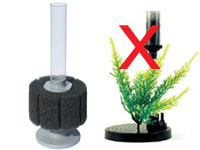
This is a much more common problem with bowl/small aquarium filters, as many buy poorly designed under gravel filters with small carbon (& sometimes a few grains of zeolite added) under the mistaken belief these can remove much ammonia/nitrites, which in controlled tests are very inadequate.
Better would be a Sponge Filter. In fact, a Sponge filter (a larger model) would even be a good addition to a larger aquarium that has a large bio load but is lacking in bio filtration.
Reference:
• Sponge Filtration, for further information about the high aerobic bio filtration abilities of sponge filters
Product link:
• ATI Premium Aquarium, Pond Sponge Filter
For even better aerobic bio filtration, I strongly suggest Fluidized Sand Bed Filters which have superior bio filtration to the popular Eheim 2080 or the Fluval FX5 filters.
Reference:
• Aquarium Filtration; Fluidized Sand Bed Filters Review
The bottom line, regardless of tank size, increasing bio filtration is often a must for long term ammonia removal, whether it be a sponge filter, a canister filter, or additional filters.
Although as explained earlier that products such as "Cycle", or "Stress Zyme" are not good choices for "kick starting" your aquarium or pond nitrogen cycle (in other words used as a biological cycling product), they DO contain Heterotrophic Bacteria than can at least consume some of the organic waste while your nitrogen cycle is still in the process of establishing itself or re-establishing itself if the bio filter has been interrupted by gram positive medications (assuming fish are present, otherwise I would not use them).
The best choice here would be SeaChem Stability as it seems to do the best job for the amount used and has the least interference on replacing true Autotrophic nitrifying bacteria. The negative of using many of these types of products during this time, is that unlike Prime or Amquel Plus, these products WILL remove nutrients from the water column necessary for your true Autotrophic nitrifying bacteria to establish themselves, thus delaying the cycling processes.
Product Resource:
• SeaChem Stability
WHAT TO DO FOR HIGH NITRATES: Although not generally toxic, high nitrates over 50 ppm can stunt fish growth and lead to health issues if fish are exposed to high nitrates for an extended time in freshwater.
In saltwater the same holds true for fish, but with many invertebrates, especially coral and cephalopods, nitrates above 20 ppm can be deadly (phosphates are also a problem with many reef inhabitants).
Please note that these suggestions/points are NOT an exhaustive list, please follow the links at the end for more complete information. SeaChem Prime as well as Amquel Plus will neutralize the Nitrate but is not a long-term solution to high nitrate problems.
Perform a water change using a gravel vacuum to remove not just dirty water, but "mulm" that will decompose and enter the nitrogen cycle and eventually become nitrates. This can be a particular problem with Under Gravel Filters (UGF), decomposing organic debris will tend to build up under the filter plate. For these filters I recommend occasionally removing the lift tubes and placing a siphon into the opening and removing as much organic debris (mulm) as possible. Even without UGF, poor vacuuming procedures (or none at all) can contribute to high-to-high nitrates. Make sure to vacuum around and under ornaments as well, although be careful around live plant roots.
The Eheim Sludge Remover Vacuum is also a helpful tool for aquariums under 75 gallons to remove decomposing organics between water changes.
See Product link:
• Eheim Sludge & Detritus Extractor Battery Gravel Vacuum
Proper filtration and maintenance: Make sure and regularly rinse in de-chlorinated or used aquarium water (never tap water) your bio filter media. This includes bio rings and balls commonly found in wet dry filters and canister filters. As well as sponge filters, ceramic media, or any other media that is not changed in the filter.
This is especially important with filters that tend to become "nitrate factories", which include in my experience (AND tests) to be; Canister Filters, Wet-Dry filters, and Emperor Filters. This is not to say these filters are bad, it is just important to not ignore properly cleaning these filters even though their large capacity makes it very easy to do.
I will however add that for reef or planted freshwater aquariums I do not recommend the aforementioned filters unless one substitutes live rock crumbles, volcanic rock, or SeaChem Matrix for bio balls and ceramic media.
See product links:
• Volcanic Rock Filter Media
• Matrix; with macropores to support denitrifying bacteria
The reason behind this is that bio balls although excellent for aerobic nitrification only contain bacteria on the outer surfaces and thus are NOT capable of sustaining anaerobic de-nitrifying bacteria necessary for nitrate removal as these bacteria live on surfaces where little oxygen penetrates. SeaChem Matrix & Live Rock crumbles/scrap are capable of containing these bacteria necessary deep inside their pores (as is volcanic rock, although not quite to the same level).
I have seen nitrates in freshwater go down by simply changing filter systems (the over all health of the aquarium improved as well).
Unfortunately of late, wet/dry filters have made a resurgence in popularity, especially with the popularity of the highly over rated EShoppes Wet Dry Filter. The facts are these filter might be excellent at nitrifcation, they are by nature nitrate factories and my tests have proven this over and over during my years of aquarium maintenance. Even changing out the bio balls often does not fully solving the problem, but replacing the entire filter with a canister filter filled with Matrix, Volcanic Rock or similar then running a Fluidized Filter such as the TMC #1000 FSB filter did in fact solve the nitrate issues (along with balancing bio loads).
Another example of a filter I have changed out with notable improvements would be by removing an Emperor 400 and replacing it with a combination Sponge filter or Fluidized Filter System.
Add aquatic plants to freshwater especially hornwort. For saltwater some green algae will perform this task as well (this is why I do not remove all my green algae in the marine aquariums I maintain). Saltwater Caulerpa Algae (which looks like a plant performs nitrate removal reasonably well).
For saltwater aquariums consider a Refugium or a Protein Skimmer. A Refugium uses plants in a sump with strong lighting to remove nutrients including nitrates. Protein skimmers remove nitrates before they enter the nitrogen cycle via foam refraction (a similar idea to vacuuming the "mulm"). Personally, I have used many a "low end" Protein Skimmer and find many overrated considering the constant adjustments required and rate of refraction compared to water volume. As well, I have found some more pricey skimmers have also performed poorly such as the Remora as per tests.
Please reference:
• Aquarium Protein Skimmer Review; Remora
However, this is not to say a protein skimmer does not work, these are useful tools in marine aquariums for nitrate control, and I just do not recommend "throwing all your eggs in one basket" with these devices. Also keep in mind that not all Protein Skimmers are created equal, so purchasing a true quality unit is worth the investment such as the V-2 Skim Professional Skimmer along with the purchase of a Ozone Generator to further improve the effectiveness of your protein skimmer.
A very effective compliment to a Protein Skimmer in Marine Reef Aquariums (& in some planted freshwater aquariums) is NPX Bioplastics Media. This product has been proven to be VERY effective for Nitrate and Phosphate reduction when used in a Fluidized Filter or Reactor.
See these product links:
• NPX Bioplastics Nitrate & Phosphate Reducing Polymer Media
• Fluidized Sand Bed Aquarium Filter
A Mud Filter or Mud Filter/Refugium combination works well too.
Better would be a Sponge Filter. In fact, a Sponge filter (a larger model) would even be a good addition to a larger aquarium that has a large bio load but is lacking in bio filtration.
Reference:
• Sponge Filtration, for further information about the high aerobic bio filtration abilities of sponge filters
Product link:
• ATI Premium Aquarium, Pond Sponge Filter
For even better aerobic bio filtration, I strongly suggest Fluidized Sand Bed Filters which have superior bio filtration to the popular Eheim 2080 or the Fluval FX5 filters.
Reference:
• Aquarium Filtration; Fluidized Sand Bed Filters Review
The bottom line, regardless of tank size, increasing bio filtration is often a must for long term ammonia removal, whether it be a sponge filter, a canister filter, or additional filters.
Although as explained earlier that products such as "Cycle", or "Stress Zyme" are not good choices for "kick starting" your aquarium or pond nitrogen cycle (in other words used as a biological cycling product), they DO contain Heterotrophic Bacteria than can at least consume some of the organic waste while your nitrogen cycle is still in the process of establishing itself or re-establishing itself if the bio filter has been interrupted by gram positive medications (assuming fish are present, otherwise I would not use them).
The best choice here would be SeaChem Stability as it seems to do the best job for the amount used and has the least interference on replacing true Autotrophic nitrifying bacteria. The negative of using many of these types of products during this time, is that unlike Prime or Amquel Plus, these products WILL remove nutrients from the water column necessary for your true Autotrophic nitrifying bacteria to establish themselves, thus delaying the cycling processes.
Product Resource:
• SeaChem Stability
WHAT TO DO FOR HIGH NITRATES: Although not generally toxic, high nitrates over 50 ppm can stunt fish growth and lead to health issues if fish are exposed to high nitrates for an extended time in freshwater.
In saltwater the same holds true for fish, but with many invertebrates, especially coral and cephalopods, nitrates above 20 ppm can be deadly (phosphates are also a problem with many reef inhabitants).
Please note that these suggestions/points are NOT an exhaustive list, please follow the links at the end for more complete information. SeaChem Prime as well as Amquel Plus will neutralize the Nitrate but is not a long-term solution to high nitrate problems.
Perform a water change using a gravel vacuum to remove not just dirty water, but "mulm" that will decompose and enter the nitrogen cycle and eventually become nitrates. This can be a particular problem with Under Gravel Filters (UGF), decomposing organic debris will tend to build up under the filter plate. For these filters I recommend occasionally removing the lift tubes and placing a siphon into the opening and removing as much organic debris (mulm) as possible. Even without UGF, poor vacuuming procedures (or none at all) can contribute to high-to-high nitrates. Make sure to vacuum around and under ornaments as well, although be careful around live plant roots.
The Eheim Sludge Remover Vacuum is also a helpful tool for aquariums under 75 gallons to remove decomposing organics between water changes.
See Product link:
• Eheim Sludge & Detritus Extractor Battery Gravel Vacuum
Proper filtration and maintenance: Make sure and regularly rinse in de-chlorinated or used aquarium water (never tap water) your bio filter media. This includes bio rings and balls commonly found in wet dry filters and canister filters. As well as sponge filters, ceramic media, or any other media that is not changed in the filter.
This is especially important with filters that tend to become "nitrate factories", which include in my experience (AND tests) to be; Canister Filters, Wet-Dry filters, and Emperor Filters. This is not to say these filters are bad, it is just important to not ignore properly cleaning these filters even though their large capacity makes it very easy to do.
I will however add that for reef or planted freshwater aquariums I do not recommend the aforementioned filters unless one substitutes live rock crumbles, volcanic rock, or SeaChem Matrix for bio balls and ceramic media.
See product links:
• Volcanic Rock Filter Media
• Matrix; with macropores to support denitrifying bacteria
The reason behind this is that bio balls although excellent for aerobic nitrification only contain bacteria on the outer surfaces and thus are NOT capable of sustaining anaerobic de-nitrifying bacteria necessary for nitrate removal as these bacteria live on surfaces where little oxygen penetrates. SeaChem Matrix & Live Rock crumbles/scrap are capable of containing these bacteria necessary deep inside their pores (as is volcanic rock, although not quite to the same level).
I have seen nitrates in freshwater go down by simply changing filter systems (the over all health of the aquarium improved as well).
Unfortunately of late, wet/dry filters have made a resurgence in popularity, especially with the popularity of the highly over rated EShoppes Wet Dry Filter. The facts are these filter might be excellent at nitrifcation, they are by nature nitrate factories and my tests have proven this over and over during my years of aquarium maintenance. Even changing out the bio balls often does not fully solving the problem, but replacing the entire filter with a canister filter filled with Matrix, Volcanic Rock or similar then running a Fluidized Filter such as the TMC #1000 FSB filter did in fact solve the nitrate issues (along with balancing bio loads).
Another example of a filter I have changed out with notable improvements would be by removing an Emperor 400 and replacing it with a combination Sponge filter or Fluidized Filter System.
Add aquatic plants to freshwater especially hornwort. For saltwater some green algae will perform this task as well (this is why I do not remove all my green algae in the marine aquariums I maintain). Saltwater Caulerpa Algae (which looks like a plant performs nitrate removal reasonably well).
For saltwater aquariums consider a Refugium or a Protein Skimmer. A Refugium uses plants in a sump with strong lighting to remove nutrients including nitrates. Protein skimmers remove nitrates before they enter the nitrogen cycle via foam refraction (a similar idea to vacuuming the "mulm"). Personally, I have used many a "low end" Protein Skimmer and find many overrated considering the constant adjustments required and rate of refraction compared to water volume. As well, I have found some more pricey skimmers have also performed poorly such as the Remora as per tests.
Please reference:
• Aquarium Protein Skimmer Review; Remora
However, this is not to say a protein skimmer does not work, these are useful tools in marine aquariums for nitrate control, and I just do not recommend "throwing all your eggs in one basket" with these devices. Also keep in mind that not all Protein Skimmers are created equal, so purchasing a true quality unit is worth the investment such as the V-2 Skim Professional Skimmer along with the purchase of a Ozone Generator to further improve the effectiveness of your protein skimmer.
A very effective compliment to a Protein Skimmer in Marine Reef Aquariums (& in some planted freshwater aquariums) is NPX Bioplastics Media. This product has been proven to be VERY effective for Nitrate and Phosphate reduction when used in a Fluidized Filter or Reactor.
See these product links:
• NPX Bioplastics Nitrate & Phosphate Reducing Polymer Media
• Fluidized Sand Bed Aquarium Filter
A Mud Filter or Mud Filter/Refugium combination works well too.
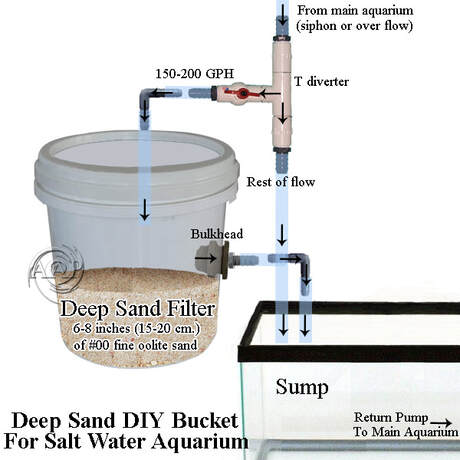
Besides the Refugium, a DSB (Deep Sand Bed) in a bucket works well.
Put 8" to 12" of fresh, clean sand in a 5-gallon bucket; Oolitic sugar-fine aragonite works best in my opinion. Drill a bulkhead about an inch or two higher than the top of the substrate for the water to flow out from back into your tank/sump. A flow rate of 150-200 gph, just enough flow over the sand to keep solids in suspension, I recommend pre-filtering the water first to prevent detritus build up.
This is a very effective method (similar to Mud Filters) that can bring Nitrates down to near 0.
Please see this link for a DIY Deep Sand Bucket/Tank picture and more information about this idea:
• DIY Deep Sand Bucket
The use of premium "over the counter" waste digesters or cycling aids (such as SeaChem Stability) which contain heterotrophic bacteria for waste digestion and nitrate removal (these products should be used as an aid and not depended upon for a long-term solution to nitrate and organic decay problems).
Please see these excellent articles for more about nitrates and nitrate removal:
• Aquarium Answers; Nitrates
• Hydrogen Sulfide production in anaerobic De-Nitrification for Aquarium/Pond Nitrate Removal
Put 8" to 12" of fresh, clean sand in a 5-gallon bucket; Oolitic sugar-fine aragonite works best in my opinion. Drill a bulkhead about an inch or two higher than the top of the substrate for the water to flow out from back into your tank/sump. A flow rate of 150-200 gph, just enough flow over the sand to keep solids in suspension, I recommend pre-filtering the water first to prevent detritus build up.
This is a very effective method (similar to Mud Filters) that can bring Nitrates down to near 0.
Please see this link for a DIY Deep Sand Bucket/Tank picture and more information about this idea:
• DIY Deep Sand Bucket
The use of premium "over the counter" waste digesters or cycling aids (such as SeaChem Stability) which contain heterotrophic bacteria for waste digestion and nitrate removal (these products should be used as an aid and not depended upon for a long-term solution to nitrate and organic decay problems).
Please see these excellent articles for more about nitrates and nitrate removal:
• Aquarium Answers; Nitrates
• Hydrogen Sulfide production in anaerobic De-Nitrification for Aquarium/Pond Nitrate Removal
Summary
FREQUENTLY ASKED NITROGEN CYCLE QUESTIONS & ANSWERS:
What is the Nitrogen Cycle? The nitrogen cycle is the process by which organic protein-based wastes are converted from toxic ammonia, to slightly fewer toxic nitrites, to relatively non-toxic nitrates. In some aquarium or pond systems nitrates are converted to free nitrogen or consumed by plants or algae or removed by chemical/organic absorbents/resins such as SeaChem Purigen.
See product link:
• SeaChem Purigen; controls nitrates by removing nitrogenous organic waste
What is Organic Protein Based Wastes? Organic Protein Based Wastes are substances/molecules that contain nitrogen; this includes Urea, Feces, uneaten fish food, and decomposing fish or plant material (fish would have more proteins than plants, thus having more nitrogen fueling higher ammonia, nitrites, and eventually nitrates).
What are the stages of the Nitrogen Cycle?
• Initial stage: This starts when fish, plants, food or any organics (even small amounts of air born organics) are introduced to the aquarium. These organics are broken down into either ionized (NH3) or unionized ammonia (NH4). Any amount of NH3 is toxic, however amounts under .05 ppm are generally not an issue and often .0% ppm will appear even in healthy aquariums in the ebb and flow of the nitrogen cycle.
• Second Stage: This is when ammonia/ammonium is converted into slightly less nitrites (readings should be still under .05)
• Final Stage: This is the conversion via de-nitrification of nitrites to relatively harmless nitrates (reef aquariums should have nitrates under .05, while planted freshwater aquariums should maintain higher nitrates for plants)
How does aquarium chemistry affect the nitrogen cycle? Maintain carbonate hardness (KH), especially when cycling a new tank, as the process of cycling will use carbonates and without adequate carbonates (KH) your pH can crash which will slow the establishment of nitrifying bacteria as nitrifying bacteria.
As per the Nitrification section, at 6.0 basically all nitrification ceases!
Further resource information:
• Aquarium Chemistry; carbonate hardness
Will adding any aquarium cycling aids help or hinder the cycling of the aquarium? Most aids such as "Cycle" and "Stress-Zyme" are primarily Heterotrophic which do not at aid in establishing true Autotrophic Nitrobacteraceaein an aquarium and thus would hinder the establishment of a healthy nitrogen cycle. HOWEVER sometimes a stop gap use of these products that may delay your cycling are necessary to prevent fish deaths.
Better is the use of products such as SeaChem Stability which have a synergistic blend of aerobic, anaerobic, and facultative bacteria that is much less likely to hinder your aquariums cycling. Bio Spira or Fritz-Zyme Turbo Start are refrigerated live bacteria products that assuming 100% proper refrigeration can be helpful as a cycling aid or emergency ammonia/nitrite spike treatment.
See Product link:
• SeaChem Stability
With the above said, no cycling aid such as the above should be fully depended upon for establishing your nitrogen cycle; as low initial bio loads, time, and patience is still important. As well the use of common Heterotrophic products should never be used for the purpose of establishing an aquariums nitrogen cycle.
How do I know when my Aquarium has cycled? When you are cycling your aquarium, you will want to monitor your water parameters. Doing so will help you determine when your aquarium has cycled.
Typically, when your Ammonia and nitrites have gone up, and come back down, your aquarium has cycled. This can take anywhere from 10 to 45 days, depending on the cycling method, tank size, and temperature.
Can aquatic plants survive in water with high ammonia or nitrites? Generally speaking, yes, but this can depend upon the level and the plant in question. In fact, some plants such as Hornwort can actually help remove nitrites, ammonia, & nitrates.
I have not established any minimum "hard numbers" whereby some plants may be killed by ammonia or nitrites nor find any real research other than observations similar to my own. The general consensus is that many plants can utilize NH3 or NH4 (ammonia/ammonium) and thus can then lower nitrites and nitrates to. However no "number" has been established whereby you might burn your plants from high ammonia or nitrite levels. So my advice would be do all you can to keep these numbers low with plants as well as fish, and to avoid delicate plants in an uncycled aquarium.
Also be aware that while plants such as Hornwort are a good tool for keeping low ammonia & nitrite levels, these same plants can inhibit the establishment of beneficial nitrifying bacteria in a new tank by removing ammonia/nitrites prior to the establishment of these bacteria.
Can I safely re-use substrate or bio media from an older "stored" aquarium? As long as the gravel was stored in an area where no chemicals or fumes came in contact, this gravel will be no different than new gravel "out of the bag". Ditto for an older used sponge filter or any other bio filter media such as Ceramic Bio Rings, Bio Balls, etc. These can also be stored and re-used. What is important is to rinse well with clean water before re-using.
How should I clean my filters and change water to maintain a healthy Nitrogen Cycle?
• Rinse filter media in used tank water or de-chlorinated tap water so as to not kill nitrifying bacteria.
• Add de-chlorinators when changing water over 10%.
• Do NOT vacuum all ‘dead’ spots under live rock in the live sand of a “Marine Tank ONLY”. (This can destroy anaerobic bacterial colonies in Marine Tanks needed for de-nitrification). Even then try and vacuum only the top layer in open areas of live sand in marine tanks, with only occasional “dips” into deeper sand (the use of a ½ inch layer of #3 crushed coral makes this process easier and quite bluntly makes for better aerobic and anaerobic filtrations and as well trapping of detritus).
• Do NOT wash gravel or totally change water, again this will destroy or hamper establishment of bio bacterial colonies.
• Rotate filter media changes so as to always have older media with bacterial colonies. In a HOB filter with a cartridge, place a second cartridge in 7-10 days before changing the old one of install a sponge pre-filter on your HOB filter such as a Filter-Max Pre-Filter.
FURTHER REFERENCES:
• Chemolithoautotrophic Nitrite-Oxidizing Bacterium Nitrobacter
• Genome Sequence of the Chemolithoautotrophic Nitrite-Oxidizing Bacterium
Nitrogen is an element vital to all life processes on Earth We list this as a resource only due to the fact Google gives higher authority to websites such as this, despite the fact this website actually uses part of our content as their own without citing us. However, it is noteworthy that this article actually used our information, as the publish date of this website is 2008 while our article was published on the Internet in 2005. Sorry Nano-reef.com, this is our original content and any content we do use from others IS cited in our references, as we well know the sting of plagiarism from written content to picture content.
Reference:
• Wikipedia; Academia.edu
What is the Nitrogen Cycle? The nitrogen cycle is the process by which organic protein-based wastes are converted from toxic ammonia, to slightly fewer toxic nitrites, to relatively non-toxic nitrates. In some aquarium or pond systems nitrates are converted to free nitrogen or consumed by plants or algae or removed by chemical/organic absorbents/resins such as SeaChem Purigen.
See product link:
• SeaChem Purigen; controls nitrates by removing nitrogenous organic waste
What is Organic Protein Based Wastes? Organic Protein Based Wastes are substances/molecules that contain nitrogen; this includes Urea, Feces, uneaten fish food, and decomposing fish or plant material (fish would have more proteins than plants, thus having more nitrogen fueling higher ammonia, nitrites, and eventually nitrates).
What are the stages of the Nitrogen Cycle?
• Initial stage: This starts when fish, plants, food or any organics (even small amounts of air born organics) are introduced to the aquarium. These organics are broken down into either ionized (NH3) or unionized ammonia (NH4). Any amount of NH3 is toxic, however amounts under .05 ppm are generally not an issue and often .0% ppm will appear even in healthy aquariums in the ebb and flow of the nitrogen cycle.
• Second Stage: This is when ammonia/ammonium is converted into slightly less nitrites (readings should be still under .05)
• Final Stage: This is the conversion via de-nitrification of nitrites to relatively harmless nitrates (reef aquariums should have nitrates under .05, while planted freshwater aquariums should maintain higher nitrates for plants)
How does aquarium chemistry affect the nitrogen cycle? Maintain carbonate hardness (KH), especially when cycling a new tank, as the process of cycling will use carbonates and without adequate carbonates (KH) your pH can crash which will slow the establishment of nitrifying bacteria as nitrifying bacteria.
As per the Nitrification section, at 6.0 basically all nitrification ceases!
Further resource information:
• Aquarium Chemistry; carbonate hardness
Will adding any aquarium cycling aids help or hinder the cycling of the aquarium? Most aids such as "Cycle" and "Stress-Zyme" are primarily Heterotrophic which do not at aid in establishing true Autotrophic Nitrobacteraceaein an aquarium and thus would hinder the establishment of a healthy nitrogen cycle. HOWEVER sometimes a stop gap use of these products that may delay your cycling are necessary to prevent fish deaths.
Better is the use of products such as SeaChem Stability which have a synergistic blend of aerobic, anaerobic, and facultative bacteria that is much less likely to hinder your aquariums cycling. Bio Spira or Fritz-Zyme Turbo Start are refrigerated live bacteria products that assuming 100% proper refrigeration can be helpful as a cycling aid or emergency ammonia/nitrite spike treatment.
See Product link:
• SeaChem Stability
With the above said, no cycling aid such as the above should be fully depended upon for establishing your nitrogen cycle; as low initial bio loads, time, and patience is still important. As well the use of common Heterotrophic products should never be used for the purpose of establishing an aquariums nitrogen cycle.
How do I know when my Aquarium has cycled? When you are cycling your aquarium, you will want to monitor your water parameters. Doing so will help you determine when your aquarium has cycled.
Typically, when your Ammonia and nitrites have gone up, and come back down, your aquarium has cycled. This can take anywhere from 10 to 45 days, depending on the cycling method, tank size, and temperature.
Can aquatic plants survive in water with high ammonia or nitrites? Generally speaking, yes, but this can depend upon the level and the plant in question. In fact, some plants such as Hornwort can actually help remove nitrites, ammonia, & nitrates.
I have not established any minimum "hard numbers" whereby some plants may be killed by ammonia or nitrites nor find any real research other than observations similar to my own. The general consensus is that many plants can utilize NH3 or NH4 (ammonia/ammonium) and thus can then lower nitrites and nitrates to. However no "number" has been established whereby you might burn your plants from high ammonia or nitrite levels. So my advice would be do all you can to keep these numbers low with plants as well as fish, and to avoid delicate plants in an uncycled aquarium.
Also be aware that while plants such as Hornwort are a good tool for keeping low ammonia & nitrite levels, these same plants can inhibit the establishment of beneficial nitrifying bacteria in a new tank by removing ammonia/nitrites prior to the establishment of these bacteria.
Can I safely re-use substrate or bio media from an older "stored" aquarium? As long as the gravel was stored in an area where no chemicals or fumes came in contact, this gravel will be no different than new gravel "out of the bag". Ditto for an older used sponge filter or any other bio filter media such as Ceramic Bio Rings, Bio Balls, etc. These can also be stored and re-used. What is important is to rinse well with clean water before re-using.
How should I clean my filters and change water to maintain a healthy Nitrogen Cycle?
• Rinse filter media in used tank water or de-chlorinated tap water so as to not kill nitrifying bacteria.
• Add de-chlorinators when changing water over 10%.
• Do NOT vacuum all ‘dead’ spots under live rock in the live sand of a “Marine Tank ONLY”. (This can destroy anaerobic bacterial colonies in Marine Tanks needed for de-nitrification). Even then try and vacuum only the top layer in open areas of live sand in marine tanks, with only occasional “dips” into deeper sand (the use of a ½ inch layer of #3 crushed coral makes this process easier and quite bluntly makes for better aerobic and anaerobic filtrations and as well trapping of detritus).
• Do NOT wash gravel or totally change water, again this will destroy or hamper establishment of bio bacterial colonies.
• Rotate filter media changes so as to always have older media with bacterial colonies. In a HOB filter with a cartridge, place a second cartridge in 7-10 days before changing the old one of install a sponge pre-filter on your HOB filter such as a Filter-Max Pre-Filter.
FURTHER REFERENCES:
• Chemolithoautotrophic Nitrite-Oxidizing Bacterium Nitrobacter
• Genome Sequence of the Chemolithoautotrophic Nitrite-Oxidizing Bacterium
Nitrogen is an element vital to all life processes on Earth We list this as a resource only due to the fact Google gives higher authority to websites such as this, despite the fact this website actually uses part of our content as their own without citing us. However, it is noteworthy that this article actually used our information, as the publish date of this website is 2008 while our article was published on the Internet in 2005. Sorry Nano-reef.com, this is our original content and any content we do use from others IS cited in our references, as we well know the sting of plagiarism from written content to picture content.
Reference:
• Wikipedia; Academia.edu
Video