

Aquarium Fish Nutrition
Fish Food Information & Aquatic Health
Fish Food Information & Aquatic Health
Introduction of what makes a quality fish food
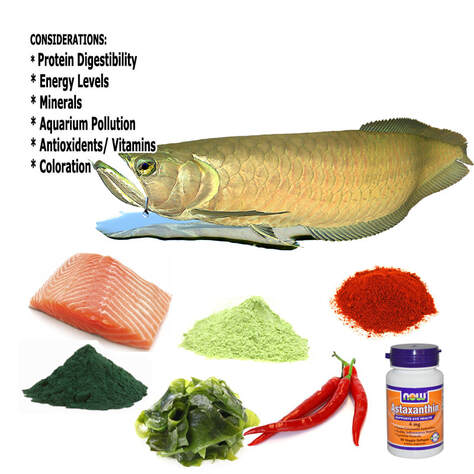
The content of this article has been updated regularly, often monthly, to be as up to date as possible citing other's research too (including another fish food expert/guru Clay Neighbors).
The content is based on part on my extensive observations as well as tests in fish nutrition dating all the way back to 1978 utilizing my 1000s of client aquariums I had under contract, including the Bahooka Restaurant with over 110 custom aquariums where I had complete control of feeding and therefore was easily able to take notes in in trials of different methods and long term results (since I maintained these aquariums for years).
I also attended seminars along with professional trade shows and allowed mentoring by others who had more expertise. During my early years I earned the nickname "Green Flake Man" at these trade shows for my research into fish food, in particular those with high amounts of Spirulina Algae.
Where this article differs from most all others is this information and research dates back several decades and ALL recommendations (& fish food developments) are based on this in-depth research. This is UNLIKE most articles that are written after so as to support the latest marketing scheme for a premium fish food. I know of NO other article that can make this claim.
For those who might make Ad Hominem attacks as to this article promoting certain fish foods over others; it would be dishonest of me to do otherwise after my decades of research and experience. The timeline of this article also disproves these dishonest critics, since this article at its root's dates back to 1978, long before many suggested foods even existed. Even online, this article dates back to 2005 with 100s of revisions and changes in recommendations as the knowledge base grows.
In the early years of my research this article is based on, "quality of ingredients" was the bar many prepared fish foods needed to overcome. However, in more recent years, most premium fish foods have overcome this bar and now the bar is "fish food analysis" where the majority of fish foods (including premium brands) still are lacking due to cooking process, too high energy levels, & too low fiber content (which many attempt to make up for with probiotics).
This article is primarily about prepared fish foods. Near the end of this article, I do discuss some live, frozen and freeze-dried foods. Regardless of whether the fish' diet is 100% prepared or prepared that is supplemented with live/frozen (which I have had test fish do very well in controlled tests on 100% prepared foods), you want to seek a fish food that has the lowest amount of supplementation as well as one that is optimized as per energy points, fiber, and proteins to make the food viable diet. This fact has been proven in human nutrition too.
Any prepared fish food that has to add vitamin, mineral, and other supplements to bring their food up to higher standards is obviously not providing these via optimal ingredients and/or is cooking them out via the preparation process (such as making flakes or pellets versus crumbles which destroys less of the nutrition value). Admittedly even some of the better brands perform supplementation, but I still would seek a fish food that supplements as little as possible.
The content is based on part on my extensive observations as well as tests in fish nutrition dating all the way back to 1978 utilizing my 1000s of client aquariums I had under contract, including the Bahooka Restaurant with over 110 custom aquariums where I had complete control of feeding and therefore was easily able to take notes in in trials of different methods and long term results (since I maintained these aquariums for years).
I also attended seminars along with professional trade shows and allowed mentoring by others who had more expertise. During my early years I earned the nickname "Green Flake Man" at these trade shows for my research into fish food, in particular those with high amounts of Spirulina Algae.
Where this article differs from most all others is this information and research dates back several decades and ALL recommendations (& fish food developments) are based on this in-depth research. This is UNLIKE most articles that are written after so as to support the latest marketing scheme for a premium fish food. I know of NO other article that can make this claim.
For those who might make Ad Hominem attacks as to this article promoting certain fish foods over others; it would be dishonest of me to do otherwise after my decades of research and experience. The timeline of this article also disproves these dishonest critics, since this article at its root's dates back to 1978, long before many suggested foods even existed. Even online, this article dates back to 2005 with 100s of revisions and changes in recommendations as the knowledge base grows.
In the early years of my research this article is based on, "quality of ingredients" was the bar many prepared fish foods needed to overcome. However, in more recent years, most premium fish foods have overcome this bar and now the bar is "fish food analysis" where the majority of fish foods (including premium brands) still are lacking due to cooking process, too high energy levels, & too low fiber content (which many attempt to make up for with probiotics).
This article is primarily about prepared fish foods. Near the end of this article, I do discuss some live, frozen and freeze-dried foods. Regardless of whether the fish' diet is 100% prepared or prepared that is supplemented with live/frozen (which I have had test fish do very well in controlled tests on 100% prepared foods), you want to seek a fish food that has the lowest amount of supplementation as well as one that is optimized as per energy points, fiber, and proteins to make the food viable diet. This fact has been proven in human nutrition too.
Any prepared fish food that has to add vitamin, mineral, and other supplements to bring their food up to higher standards is obviously not providing these via optimal ingredients and/or is cooking them out via the preparation process (such as making flakes or pellets versus crumbles which destroys less of the nutrition value). Admittedly even some of the better brands perform supplementation, but I still would seek a fish food that supplements as little as possible.
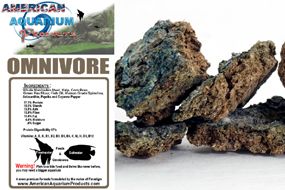
In fact, there are many otherwise good fish foods on the market that utilize excellent ingredients (especially the newbies in the market), but their failure to optimize ingredients and/or their preparation process often leaves these fish foods lacking, this includes many, if not most, of the popular so-called "quality" fish foods currently on the market. In other words, these fish foods are all about the ingredients, but miss the even more important analysis!
This is not new to the hobby either, or even to fish foods, as I have been to pet nutrition seminars where it is pointed out that the ingredients are quality, but the optimization is lacking. Often what is pointed out in fad foods is their fish are growing and doing well, but in reality, these fish are simply going through their life cycle fast, similar to Beef Cattle fed grains and high growth formulas to get them to market fast versus Cattle fed a slower but healthier growth "grass-fed" diet.
This is where Clay Neighbor's work in fish nutrition has improved on just using top notch ingredients, he (along with myself) have realized for years after many controlled tests and observations that it is not only about top-quality ingredients than taking this to the "more the better" as so many fish foods have done and continue to do. Clay's latest innovation is the "AAP Custom All Natural Fish Food Crumbles" which is the most optimized prepared fish food available.
Hopefully this article can educate readers as to all important aspects of what goes into an optimum prepared fish food diet. This way readers can apply this information to any fish food in an educated manner.
As while I certainly recommend many excellent fish foods in this article (as in the previous paragraph) as well as "pan" others, there are certainly many others that are not mentioned that might be excellent based on the ingredients along with any optimization of these ingredients as well as the order of the ingredients (it is noteworthy that all ingredients are listed in order of most to least). However, the reader may also find out that what they may have considered a top-notch fish food is not quite as good as they thought as per poor optimization of proteins, fiber, and especially energy levels which can cause renal failure or fatty liver disease over time.
There is a lot of confusion about what constitutes an optimal fish food. The aquarist needs to understand that there are similarities and differences between fish and other animals. For example: Fish get most of their energy needs from fat, however in humans carbohydrates are generally considered the better source.
Another point is amino acids (the building blocks of proteins); almost all animals have different amino acid needs. For example: Cats need Taurine in their diet, or they can suffer heart problems. Back to fish: The wrong amino acids in any fish will lead to aquarium pollution (extra ammonia) from lack of digestibility and potential renal failure (kidney failure) in the fish.
We also know from studies in human nutrition that certain diets add to inflammation and oxidative stress. This is easily carried over to fish nutrition as well. Examples include Omega 6 versus Omega 3. In too high of a ratio, Omega 6 will create inflammation and oxidative stress which can lower disease resistance.
Anytime one feeds fish foods with excess energy levels, this too creates oxidative stress. But unfortunately even the vast majority of so called premium brands have excess energy levels in part because they utilize ingredients that go after palatability over optimized energy levels, often with levels vastly higher than they should be.
Then there is the speed of digestion, some fish such as goldfish tend to have slower digestive tracts (I like to compare it to a horse, but there are major differences such as the stomach). One similarity is that if too high a protein or the wrong protein diet is fed, the horse may colic, and in goldfish they will build up intestinal gas and infections including of the swim bladder or occasionally dropsy will ensue.
As for the stomach of goldfish (& other cyprinids), I would have to respectfully disagree with the TV show "Tanked", as although it is a rudimentary stomach, from what I see of the goldfish anatomy IS A stomach.
Reference:
• Do goldfish Have a Stomach; The Fish Vet?
But more importantly, regardless of which side you fall on the issue of whether or not a goldfish has a stomach; What is a fact is that this small or rudimentary goldfish stomach along with their long intestinal tract tends to lose moisture readily because of this small stomach and long intestinal tract. So soaking dry goldfish foods is ESSENTIAL for prevention of bloating and gut Aeromonas infections. As well, too high a protein diet can cause issues, which is why a diet rich in slow to digest plant-based material such as algae is essential (Spirulina is best), but low in certain proteins that require short intestinal tracts.
Here is a quote from a Veterinary University article: "Goldfish use their long intestine to feed heavily on difficult-to-digest algae and organic detritus."
Reference:
• California Fish Species
Back to other Fish: Another note about fish food is what carnivores need. Carnivorous fish often consume whole animals including intestinal contents, which often include plant material. A quality fish food for carnivores must include vegetable matter such as spirulina.
An important point about aquatic nutrition to think about is what is best for the fish is NOT necessarily what the fish eat most readily. Many foods add ingredients that “enhance” flavor and use terms such as the “Rich Mix” to describe their product and claim that fish eat their fish food well, which is often true.
HOWEVER, this is NOT an indicator of quality nutrition.
Think about this: When is the last time you have placed spinach and candy in front of a child and seen what one they will pick? Or it has been shown in studies that most dogs will prefer cat food over dog food due to cat foods more “rich” ingredients, yet in these same studies dogs fed a diet of cat food are destined to an early death due to renal failure.
Along this same line, if I offer TetraMin at the same time as a superior food such as Spirulina 20 Fish Food Flake, in most instances the fish will prefer the TetraMin. However, this does not prove superior nutrition in the least and in fact is the reason I generally only feed one type of fish food at a time so that fish cannot “pick and choose” what they eat and ignore a nutritional part of their diet.
This is an important point as well in the fact that many quality fish foods such as the before mentioned Spirulina Flake or Clay Neighbor's premium fish foods do NOT have added enhancers (why add these and lower nutritional value) and thus often take longer for fish to accept when first offered, but in the end I have found that well over 90% of fish will eventually accept these fish foods when that is all that is offered.
Product Resources:
• Spirulina 20 Premium Fish Food Flake
• AAP Clay Neighbors Premium Fish Food
This is not new to the hobby either, or even to fish foods, as I have been to pet nutrition seminars where it is pointed out that the ingredients are quality, but the optimization is lacking. Often what is pointed out in fad foods is their fish are growing and doing well, but in reality, these fish are simply going through their life cycle fast, similar to Beef Cattle fed grains and high growth formulas to get them to market fast versus Cattle fed a slower but healthier growth "grass-fed" diet.
This is where Clay Neighbor's work in fish nutrition has improved on just using top notch ingredients, he (along with myself) have realized for years after many controlled tests and observations that it is not only about top-quality ingredients than taking this to the "more the better" as so many fish foods have done and continue to do. Clay's latest innovation is the "AAP Custom All Natural Fish Food Crumbles" which is the most optimized prepared fish food available.
Hopefully this article can educate readers as to all important aspects of what goes into an optimum prepared fish food diet. This way readers can apply this information to any fish food in an educated manner.
As while I certainly recommend many excellent fish foods in this article (as in the previous paragraph) as well as "pan" others, there are certainly many others that are not mentioned that might be excellent based on the ingredients along with any optimization of these ingredients as well as the order of the ingredients (it is noteworthy that all ingredients are listed in order of most to least). However, the reader may also find out that what they may have considered a top-notch fish food is not quite as good as they thought as per poor optimization of proteins, fiber, and especially energy levels which can cause renal failure or fatty liver disease over time.
There is a lot of confusion about what constitutes an optimal fish food. The aquarist needs to understand that there are similarities and differences between fish and other animals. For example: Fish get most of their energy needs from fat, however in humans carbohydrates are generally considered the better source.
Another point is amino acids (the building blocks of proteins); almost all animals have different amino acid needs. For example: Cats need Taurine in their diet, or they can suffer heart problems. Back to fish: The wrong amino acids in any fish will lead to aquarium pollution (extra ammonia) from lack of digestibility and potential renal failure (kidney failure) in the fish.
We also know from studies in human nutrition that certain diets add to inflammation and oxidative stress. This is easily carried over to fish nutrition as well. Examples include Omega 6 versus Omega 3. In too high of a ratio, Omega 6 will create inflammation and oxidative stress which can lower disease resistance.
Anytime one feeds fish foods with excess energy levels, this too creates oxidative stress. But unfortunately even the vast majority of so called premium brands have excess energy levels in part because they utilize ingredients that go after palatability over optimized energy levels, often with levels vastly higher than they should be.
Then there is the speed of digestion, some fish such as goldfish tend to have slower digestive tracts (I like to compare it to a horse, but there are major differences such as the stomach). One similarity is that if too high a protein or the wrong protein diet is fed, the horse may colic, and in goldfish they will build up intestinal gas and infections including of the swim bladder or occasionally dropsy will ensue.
As for the stomach of goldfish (& other cyprinids), I would have to respectfully disagree with the TV show "Tanked", as although it is a rudimentary stomach, from what I see of the goldfish anatomy IS A stomach.
Reference:
• Do goldfish Have a Stomach; The Fish Vet?
But more importantly, regardless of which side you fall on the issue of whether or not a goldfish has a stomach; What is a fact is that this small or rudimentary goldfish stomach along with their long intestinal tract tends to lose moisture readily because of this small stomach and long intestinal tract. So soaking dry goldfish foods is ESSENTIAL for prevention of bloating and gut Aeromonas infections. As well, too high a protein diet can cause issues, which is why a diet rich in slow to digest plant-based material such as algae is essential (Spirulina is best), but low in certain proteins that require short intestinal tracts.
Here is a quote from a Veterinary University article: "Goldfish use their long intestine to feed heavily on difficult-to-digest algae and organic detritus."
Reference:
• California Fish Species
Back to other Fish: Another note about fish food is what carnivores need. Carnivorous fish often consume whole animals including intestinal contents, which often include plant material. A quality fish food for carnivores must include vegetable matter such as spirulina.
An important point about aquatic nutrition to think about is what is best for the fish is NOT necessarily what the fish eat most readily. Many foods add ingredients that “enhance” flavor and use terms such as the “Rich Mix” to describe their product and claim that fish eat their fish food well, which is often true.
HOWEVER, this is NOT an indicator of quality nutrition.
Think about this: When is the last time you have placed spinach and candy in front of a child and seen what one they will pick? Or it has been shown in studies that most dogs will prefer cat food over dog food due to cat foods more “rich” ingredients, yet in these same studies dogs fed a diet of cat food are destined to an early death due to renal failure.
Along this same line, if I offer TetraMin at the same time as a superior food such as Spirulina 20 Fish Food Flake, in most instances the fish will prefer the TetraMin. However, this does not prove superior nutrition in the least and in fact is the reason I generally only feed one type of fish food at a time so that fish cannot “pick and choose” what they eat and ignore a nutritional part of their diet.
This is an important point as well in the fact that many quality fish foods such as the before mentioned Spirulina Flake or Clay Neighbor's premium fish foods do NOT have added enhancers (why add these and lower nutritional value) and thus often take longer for fish to accept when first offered, but in the end I have found that well over 90% of fish will eventually accept these fish foods when that is all that is offered.
Product Resources:
• Spirulina 20 Premium Fish Food Flake
• AAP Clay Neighbors Premium Fish Food
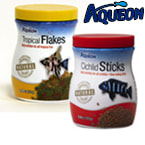
Another common practice is to artificially add colors that add no nutritional value (and may even be detrimental) just to look “pretty” or appealing to the aquarist. Some brands of Fish Food Flakes such Aqueon Fish Foods have colors of their fish foods that are attributed to the actual ingredients in the formula (such as Marigold Powder, Chili Powder, Spinach, etc.). This method is preferable as it helps to bring out the natural colors in your fish, while keeping them energetic and healthy.
Important Ingredients
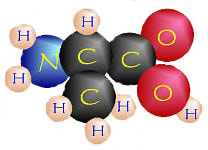
An amino acid is any molecule that contains both Amines and Carboxylic acids:
• Amines are organic compounds that contain nitrogen as the key atom; structurally amines resemble ammonia.
• Carboxylic acids are organic acids characterized by the presence of a carboxyl group. Amino acids are used as the basic components of proteins.
The net protein utilization is profoundly affected by the limiting amino acid content or protein quality (the essential amino acid found in the smallest quantity in the foodstuff), and somewhat affected by salvage of essential amino acids in the body. It is therefore a good idea to mix foodstuffs that have different weaknesses in their essential amino acid distributions. This limits the loss of nitrogen through deamination and increases overall net protein utilization.
Another practice often used by aquaculture, and even among many of the "better" brands is too much protein/amino acids, as this can cause kidney issues later on and affect fish longevity. Therefore, the best fish foods will also blend ingredients to "limit" proteins for optimal protein/amino acid utilization.
In a study many years back where I attended a seminar, it was shown in animals that overabundance of proteins in prepared animal foods to encourage growth or simply under the assumption "the more the better" was THE cause of premature renal failure and death. This is where Paradigm Fish Foods and even more so the newer Custom AAP version formulated by Clay Neighbors is superior to all other fish foods to date.
Product Resource:
• AAP Custom/Paradigm Ultra Premium Fish Food Crumbles
DL-methionine is an essential amino acid for producing the “Lionhead” feature in goldfish. It is noteworthy that Methionine is one of eight essential amino acids. High levels of DL-methionine can be found in eggs, whole fish meal (in particular Menhaden found in Paradigm/AAP Custom), and in many cereal grains such as whole unbleached wheat flour, which is used in many commercial foods such as Sanyu Koi and Goldfish Food or the premium Aqua Master koi Foods (which is high in whole fish meal, another source of methionine).
• Amines are organic compounds that contain nitrogen as the key atom; structurally amines resemble ammonia.
• Carboxylic acids are organic acids characterized by the presence of a carboxyl group. Amino acids are used as the basic components of proteins.
The net protein utilization is profoundly affected by the limiting amino acid content or protein quality (the essential amino acid found in the smallest quantity in the foodstuff), and somewhat affected by salvage of essential amino acids in the body. It is therefore a good idea to mix foodstuffs that have different weaknesses in their essential amino acid distributions. This limits the loss of nitrogen through deamination and increases overall net protein utilization.
Another practice often used by aquaculture, and even among many of the "better" brands is too much protein/amino acids, as this can cause kidney issues later on and affect fish longevity. Therefore, the best fish foods will also blend ingredients to "limit" proteins for optimal protein/amino acid utilization.
In a study many years back where I attended a seminar, it was shown in animals that overabundance of proteins in prepared animal foods to encourage growth or simply under the assumption "the more the better" was THE cause of premature renal failure and death. This is where Paradigm Fish Foods and even more so the newer Custom AAP version formulated by Clay Neighbors is superior to all other fish foods to date.
Product Resource:
• AAP Custom/Paradigm Ultra Premium Fish Food Crumbles
DL-methionine is an essential amino acid for producing the “Lionhead” feature in goldfish. It is noteworthy that Methionine is one of eight essential amino acids. High levels of DL-methionine can be found in eggs, whole fish meal (in particular Menhaden found in Paradigm/AAP Custom), and in many cereal grains such as whole unbleached wheat flour, which is used in many commercial foods such as Sanyu Koi and Goldfish Food or the premium Aqua Master koi Foods (which is high in whole fish meal, another source of methionine).
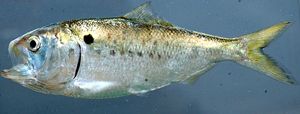
Menhaden fish is pictured to the right, which when used whole is a premium source of protein as well as a very high source of Omega 3.
Eggs (whether fish or even chicken) has one of the higher protein qualities. Which makes hard boiled egg crumbles an excellent food source for fry.
Other essential Amino acids include (essential, meaning amino acids that cannot be produced within the fish’ body from other nutrients and proteins): Arginine, Histidine, Isoleucine, Leucine, Lysine, Methionine + Cystine3, Phenylalanine + Tryosine4, Threonine, Tryptophan, and Valine.
Other quality sources of usable amino acids include: Whole fish meal (Whole menhaden & salmon is best), cylcops, fish roe, squid meal, and even spirulina algae.
The Bottom line: Not all protein sources are equal nor is maximum protein desirable. An analogy used at a pet food seminar I attended was this: You can achieve the protein analysis on many pet foods with a used pair of leather shoes, but leather shoes contain little usable proteins. In this seminar the leaders demonstrated that either too much protein (instead of optimum protein) and/or less digestible proteins/amino acids led to premature kidney (renal) failure. This was easily demonstrated with Purina Dog and fish chows.
We need to remember that protein's primary function is to build or repair muscle and tissue. Its the only component in food that can build or repair muscle and tissue. Protein not used for repairing muscle and tissue can be converted to glycogen and stored. However the conversion is not very efficient often resulting in a shortened lifespan. The use of Protein as a fuel has long ago been discredited and debating protein levels at this point in time is the equivalent of debating whether the earth is round or flat.
Another point as to grain or plant sources (Spirulina does NOT fall into this category), is that proteins in cereal grains and other plant concentrates do not contain complete amino acid profiles and usually are deficient in the essential amino acids lysine and methionine.
FATS (lipids): Molecular compounds that are generally soluble in organic solvents and largely insoluble in water. Fats are important for insulating body organs against shock, maintaining body temperature, and promoting healthy cell function. They also serve as energy stores for the body. Fats are broken down in the body to release glycerol and free fatty acids. The glycerol can be converted to glucose by the liver and thus used as a source of energy.
The fatty acids are the main source of energy in fish, especially for many tissues, such as heart and skeletal muscle. Another important function for fats are for vitamin absorption. Vitamins A, D, E, and K are fat-soluble, meaning they can only be digested, absorbed, and transported in conjunction with fats.
More information about this below carbohydrates section, including an important discussion as per energy levels in a fish food and their effect on potential fatty liver disease.
The lipids (fats) in fish can be separated into liquid fish oils and solid fats. This is why fats/lipid for use in fish food are best obtained from aquatic sources such as Whole Fishmeal. Fish lipids are highly digestible by all species of fish (& animals) and are excellent sources of the essential polyunsaturated fatty acids (PUFA) in both the omega-3 and omega-6 families of fatty acids.
The predominant omega-3 fatty acids in fishmeal and fish oil are linolenic acid, docosahexaenoic acid (DHA), and eicosapentaenoic acid (EPA). Both DHA and EPA fatty acids are produced and passed along the food chain by small-size algae and zooplankton, which are consumed by fish. Fishmeal and oil contain more omega-3, than omega-6 fatty acids, although not all sources are equal. Whole fish meal, in particular whole Menhaden fish meal is your best source.
In contrast, most plant lipids contain higher concentrations of omega-6 fatty acids. For example, oil extracted from soybeans, corn, or cottonseed is rich in linoleic acid, an omega-6 fatty acid. Some oils, like those from canola and flax seeds contain linolenic acid (of the omega-3 family), however, its conversion into essential DHA and EPA by most animals may be limited.
More about Omega 3 & 6: As with most animals, it is important to maintain an appropriate balance of omega-3 and omega-6 in the diet, as these two substances work together to promote health. However, in fish it is the Omega 3 that is most needed and many warm water freshwaters do not readily produce this fatty acid like most cold-water marine fish can. Omega-3 fatty acids are THE essential fatty acid and one of the benefits is that they help reduce inflammation, while most omega-6 fatty acids tend to promote inflammation.
One problem with many fish foods that are void of Whole Fish Meal (vs. plain fish meal which has often lost most oils), Fish oils, or similar are that they often will get their fats from plant sources that lack even short-chain Omega 3 and only contain Omega 6. Very few plants produce Omega-3 fats, and plant-based Omega-3 fats such as Flax, walnuts and camelina are slightly different than fish omega-3s.
Plants produce a shorter chain molecule than fish, while fish produce long-chain omega-3 oil, but even warm water freshwater fish may be able to convert these short-chain omega-3 oils to the long-chain version. An ongoing study has shown where farmed fish were fed partially with camelina suggested that they were converting the oil to the longer chain Omega 3 fatty acid.
CARBOHYDRATES: Molecular substances which include the sugars, starches, gums and celluloses. The common attributes of carbohydrates are that they contain only the elements carbon, hydrogen and oxygen, and that their combustion will yield carbon dioxide plus one or more molecules of water.
Most of the carbohydrates, which enter the diet of fish are of plant origin. Carnivorous fish such as groupers, therefore, deal with little carbohydrate. Indeed, experiments have shown that these species are ill-equipped to handle significant quantities of raw carbohydrate, in their diets. The ability of fish to digest carbohydrates depends on their ability to elaborate amylase. All species of fish have been shown to secrete at least some amylase. It has also been demonstrated that activity of this enzyme was greatest in herbivores.
Carbohydrates are not a superior energy source for fish over protein or fat although digestible carbohydrates do spare protein for tissue building. Also, unlike in mammals, glycogen is not a significant storage depot of energy in fish. The more efficient metabolism of amino acids over carbohydrates (glucose) by fish for energy could be due to the ability of fish to excrete nitrogenous waste as ammonia from their gills without the high cost of energy in converting the waste to urea.
ENERGY; Limiting of Fish Food Energy Levels: What is also noteworthy is that fish use sugar and carbs/starch found in any fish food first since they can store very little if any. In a study conducted by fish food guru Clay Neighbors (utilizing a University of Florida study as his foundation), founder of Paradigm Fish Foods & now patent pending AAP Custom Fish Foods found that fish stopped breeding after being fed a trial diet of less than 226 points (energy point system) of carbs and fats. This means that the females didn't have enough reserve energy to produce eggs. Clay raised the energy a little and the fish started breeding again.
They established that the optimum combined carbs and fat is about 280 points for the average warm water fish (in particular cichlids), anymore and the fish can suffer from fatty liver and other issues and much less and the fish are not receiving the proper energy requirements. It is noteworthy that these same studies showed that cool water species, in particular trout, did require higher energy levels, which was to be expected.
A University of Florida study has shown ceroidosis of the organs and Malawi Bloat are directly related to energy levels of food being too high. Another point as to the importance of optimized energy levels are free radicals/oxidative stress. Free radicals are highly unstable molecules that are naturally formed when the fish converts food into energy. Free radicals can cause "oxidative stress," a process that can trigger cell damage, therefore limiting these free radicals by an optimized energy level will benefit your fish long term.
My own observations over decades of professional fish keeping with 1000s of client's aquariums concur with this research and also includes Dropsy and as well as issues of bloat in goldfish. Susceptibility to other infections such as my observations with Columnaris are also confirmed in this research.
This is why the optimization of energy levels in a fish food is so important as research and professional observations point out!!!
HOWEVER, my own extensive studies, in particular those I conducted using the Bahooka Restaurant's 110 aquariums showed that no one food should be used, and that supplementation is always a good idea as there is most definitely a time & place for higher energy levels. Examples of times to temporarily increase energy levels include: Breeding, healing after injury/sickness, and when new fish are added to an aquarium. A good compliment for this reason includes many frozen prepared fish foods as well as fish foods that mimic frozen/fresh fish foods and stimulate nature feeding behaviors such as AAP/Gamma NutraShots.
As well, while I stand by the energy levels in this research, my own personal research indicates hitting this "perfect" score (280) then adding 5-10% would add any margin needed for times when energy levels might need to be quickly increased will the while not adding to fatty liver and oxidative stress more than needed.
Energy Point System:
• Starch, Sugar, & Proteins 1% :4 points (multiply percentage by 4).
• Fats (Much more efficient energy) 1% :9 points (multiply percentage by 9).
• Then add both numbers to get your fish food's energy points.
Please note many fish foods fail to provide starch/carbohydrates/sugar in their analysis, so you have to deduce the carbs/sugars by adding all known percentages then subtracting to get the car/sugar likely percentage. If Ash is also not listed, I would add an average of 9% when making this deduction. You can then add these numbers to get the points of the fish food you are feeding (this applies to dried fish foods).
The SUMMARY section of this article provides another example on how to read a fish food label using a popular discount store brand fish food so as to get these numbers. You will be astonished as to how many popular fish food brands, even those considered among the best, get poor grades as per optimum energy levels.
As an example, using a good food, but still too high in energy levels as proven in University level studies, is Hikari Goldfish Gold which gets most of its energy from starches (which is not the best way as shown), but more importantly their energy levels are higher than what are considered best. This said, I have used Hikari Goldfish Gold in extensive fish food studies (in particular using the 110 aquariums at the Bahooka Restaurant), with better results than many fish foods, but part of this reason is I used it on conjunction with other fish foods such as FD or Frozen Brine Shrimp and Spirulina 20. So I am not saying to throw away these foods based on energy levels alone, just to only consider them a part or supplement to your fish' diet.
SOLUBLE FIBER: Soluble fiber attracts water and turns to gel during digestion. This slows digestion. Soluble fiber is found in oat bran, barley, nuts, seeds, beans, lentils, peas, and some fruits and vegetables. It is also found in psyllium, a common fiber supplement. Green peas contain 34% Fiber. Of that percentage 25% is Soluble Fiber.
Reference:
• Probiotics, Prebiotics, Soluble Fiber and Resistant Starch
Fiber acts as a laxative. All fiber is passed. However it has no effect on the ecology of your aquarium.
This is important in prevention and treatment of prolapse in fish.
MORE IMPORTANTLY, it has been proven that bacteria feed on the digestible portion soluble fiber (which is about 10%). According to fish food guru Clay Neighbors, this bacteria is what breaks down food sources in the digestive system of fish, much more effectively than pro-biotics would. Since this is a small percentage of an aspect that most fish foods are already low on, the result is poor bacterial aid to digestion with the vast majority of fish foods, including what many consider to be the premium brands such as NorthFin.
With the previous paragraph in mind, some would have you believe that 12% Fiber is too much for Carnivorous fish. This is simply not the case and fish food guru Clay Neighbor's research into fish nutrition using live subjects proves it. In fact, fiber numbers closer to 18-19% are much healthier, even for Carnivores! Unfortunately, the majority of fish foods are too low in fiber, many as low as 4% or less (such as New Life Spectrum or 5% for NorthFin).
COMMENT: Clay Neighbor has been challenged on his knowledge fiber and fish food in general by a person associated with the Discount seller brand "New Life Spectrum" in a popular Monster Fish keeping forum. First my own expertise and experiments (including using a restaurant with 110 aquariums) backs up much of what he has stated. This includes the fact his fish food is designed for fish health and longevity (as my studies also showed) not fast grow out as fish foods based on many aquaculture studies promote (this is a big difference despite what the NLS shill attacking with Ad Hominem logical fallacies states). As well, the comment that he did not understand some basics many years back: Well no duh, everyone starts somewhere as I knew him when I was the teacher too, but now in many aspects of fish nutrition, he is now the teacher.
Here is his response to criticism as to fiber content: To arrive at that number was primarily derived by limiting protein fat and starch Most food have high % of both. The Florida study proved that fish didn't need that much protein. All of the fish foods except ours [Clay Neighbor's Custom] are based on aquaculture diet's which are designed to grow fish out fast; Not longevity of the fish... once they are large enough, they go to the market.
Eggs (whether fish or even chicken) has one of the higher protein qualities. Which makes hard boiled egg crumbles an excellent food source for fry.
Other essential Amino acids include (essential, meaning amino acids that cannot be produced within the fish’ body from other nutrients and proteins): Arginine, Histidine, Isoleucine, Leucine, Lysine, Methionine + Cystine3, Phenylalanine + Tryosine4, Threonine, Tryptophan, and Valine.
Other quality sources of usable amino acids include: Whole fish meal (Whole menhaden & salmon is best), cylcops, fish roe, squid meal, and even spirulina algae.
The Bottom line: Not all protein sources are equal nor is maximum protein desirable. An analogy used at a pet food seminar I attended was this: You can achieve the protein analysis on many pet foods with a used pair of leather shoes, but leather shoes contain little usable proteins. In this seminar the leaders demonstrated that either too much protein (instead of optimum protein) and/or less digestible proteins/amino acids led to premature kidney (renal) failure. This was easily demonstrated with Purina Dog and fish chows.
We need to remember that protein's primary function is to build or repair muscle and tissue. Its the only component in food that can build or repair muscle and tissue. Protein not used for repairing muscle and tissue can be converted to glycogen and stored. However the conversion is not very efficient often resulting in a shortened lifespan. The use of Protein as a fuel has long ago been discredited and debating protein levels at this point in time is the equivalent of debating whether the earth is round or flat.
Another point as to grain or plant sources (Spirulina does NOT fall into this category), is that proteins in cereal grains and other plant concentrates do not contain complete amino acid profiles and usually are deficient in the essential amino acids lysine and methionine.
FATS (lipids): Molecular compounds that are generally soluble in organic solvents and largely insoluble in water. Fats are important for insulating body organs against shock, maintaining body temperature, and promoting healthy cell function. They also serve as energy stores for the body. Fats are broken down in the body to release glycerol and free fatty acids. The glycerol can be converted to glucose by the liver and thus used as a source of energy.
The fatty acids are the main source of energy in fish, especially for many tissues, such as heart and skeletal muscle. Another important function for fats are for vitamin absorption. Vitamins A, D, E, and K are fat-soluble, meaning they can only be digested, absorbed, and transported in conjunction with fats.
More information about this below carbohydrates section, including an important discussion as per energy levels in a fish food and their effect on potential fatty liver disease.
The lipids (fats) in fish can be separated into liquid fish oils and solid fats. This is why fats/lipid for use in fish food are best obtained from aquatic sources such as Whole Fishmeal. Fish lipids are highly digestible by all species of fish (& animals) and are excellent sources of the essential polyunsaturated fatty acids (PUFA) in both the omega-3 and omega-6 families of fatty acids.
The predominant omega-3 fatty acids in fishmeal and fish oil are linolenic acid, docosahexaenoic acid (DHA), and eicosapentaenoic acid (EPA). Both DHA and EPA fatty acids are produced and passed along the food chain by small-size algae and zooplankton, which are consumed by fish. Fishmeal and oil contain more omega-3, than omega-6 fatty acids, although not all sources are equal. Whole fish meal, in particular whole Menhaden fish meal is your best source.
In contrast, most plant lipids contain higher concentrations of omega-6 fatty acids. For example, oil extracted from soybeans, corn, or cottonseed is rich in linoleic acid, an omega-6 fatty acid. Some oils, like those from canola and flax seeds contain linolenic acid (of the omega-3 family), however, its conversion into essential DHA and EPA by most animals may be limited.
More about Omega 3 & 6: As with most animals, it is important to maintain an appropriate balance of omega-3 and omega-6 in the diet, as these two substances work together to promote health. However, in fish it is the Omega 3 that is most needed and many warm water freshwaters do not readily produce this fatty acid like most cold-water marine fish can. Omega-3 fatty acids are THE essential fatty acid and one of the benefits is that they help reduce inflammation, while most omega-6 fatty acids tend to promote inflammation.
One problem with many fish foods that are void of Whole Fish Meal (vs. plain fish meal which has often lost most oils), Fish oils, or similar are that they often will get their fats from plant sources that lack even short-chain Omega 3 and only contain Omega 6. Very few plants produce Omega-3 fats, and plant-based Omega-3 fats such as Flax, walnuts and camelina are slightly different than fish omega-3s.
Plants produce a shorter chain molecule than fish, while fish produce long-chain omega-3 oil, but even warm water freshwater fish may be able to convert these short-chain omega-3 oils to the long-chain version. An ongoing study has shown where farmed fish were fed partially with camelina suggested that they were converting the oil to the longer chain Omega 3 fatty acid.
CARBOHYDRATES: Molecular substances which include the sugars, starches, gums and celluloses. The common attributes of carbohydrates are that they contain only the elements carbon, hydrogen and oxygen, and that their combustion will yield carbon dioxide plus one or more molecules of water.
Most of the carbohydrates, which enter the diet of fish are of plant origin. Carnivorous fish such as groupers, therefore, deal with little carbohydrate. Indeed, experiments have shown that these species are ill-equipped to handle significant quantities of raw carbohydrate, in their diets. The ability of fish to digest carbohydrates depends on their ability to elaborate amylase. All species of fish have been shown to secrete at least some amylase. It has also been demonstrated that activity of this enzyme was greatest in herbivores.
Carbohydrates are not a superior energy source for fish over protein or fat although digestible carbohydrates do spare protein for tissue building. Also, unlike in mammals, glycogen is not a significant storage depot of energy in fish. The more efficient metabolism of amino acids over carbohydrates (glucose) by fish for energy could be due to the ability of fish to excrete nitrogenous waste as ammonia from their gills without the high cost of energy in converting the waste to urea.
ENERGY; Limiting of Fish Food Energy Levels: What is also noteworthy is that fish use sugar and carbs/starch found in any fish food first since they can store very little if any. In a study conducted by fish food guru Clay Neighbors (utilizing a University of Florida study as his foundation), founder of Paradigm Fish Foods & now patent pending AAP Custom Fish Foods found that fish stopped breeding after being fed a trial diet of less than 226 points (energy point system) of carbs and fats. This means that the females didn't have enough reserve energy to produce eggs. Clay raised the energy a little and the fish started breeding again.
They established that the optimum combined carbs and fat is about 280 points for the average warm water fish (in particular cichlids), anymore and the fish can suffer from fatty liver and other issues and much less and the fish are not receiving the proper energy requirements. It is noteworthy that these same studies showed that cool water species, in particular trout, did require higher energy levels, which was to be expected.
A University of Florida study has shown ceroidosis of the organs and Malawi Bloat are directly related to energy levels of food being too high. Another point as to the importance of optimized energy levels are free radicals/oxidative stress. Free radicals are highly unstable molecules that are naturally formed when the fish converts food into energy. Free radicals can cause "oxidative stress," a process that can trigger cell damage, therefore limiting these free radicals by an optimized energy level will benefit your fish long term.
My own observations over decades of professional fish keeping with 1000s of client's aquariums concur with this research and also includes Dropsy and as well as issues of bloat in goldfish. Susceptibility to other infections such as my observations with Columnaris are also confirmed in this research.
This is why the optimization of energy levels in a fish food is so important as research and professional observations point out!!!
HOWEVER, my own extensive studies, in particular those I conducted using the Bahooka Restaurant's 110 aquariums showed that no one food should be used, and that supplementation is always a good idea as there is most definitely a time & place for higher energy levels. Examples of times to temporarily increase energy levels include: Breeding, healing after injury/sickness, and when new fish are added to an aquarium. A good compliment for this reason includes many frozen prepared fish foods as well as fish foods that mimic frozen/fresh fish foods and stimulate nature feeding behaviors such as AAP/Gamma NutraShots.
As well, while I stand by the energy levels in this research, my own personal research indicates hitting this "perfect" score (280) then adding 5-10% would add any margin needed for times when energy levels might need to be quickly increased will the while not adding to fatty liver and oxidative stress more than needed.
Energy Point System:
• Starch, Sugar, & Proteins 1% :4 points (multiply percentage by 4).
• Fats (Much more efficient energy) 1% :9 points (multiply percentage by 9).
• Then add both numbers to get your fish food's energy points.
Please note many fish foods fail to provide starch/carbohydrates/sugar in their analysis, so you have to deduce the carbs/sugars by adding all known percentages then subtracting to get the car/sugar likely percentage. If Ash is also not listed, I would add an average of 9% when making this deduction. You can then add these numbers to get the points of the fish food you are feeding (this applies to dried fish foods).
The SUMMARY section of this article provides another example on how to read a fish food label using a popular discount store brand fish food so as to get these numbers. You will be astonished as to how many popular fish food brands, even those considered among the best, get poor grades as per optimum energy levels.
As an example, using a good food, but still too high in energy levels as proven in University level studies, is Hikari Goldfish Gold which gets most of its energy from starches (which is not the best way as shown), but more importantly their energy levels are higher than what are considered best. This said, I have used Hikari Goldfish Gold in extensive fish food studies (in particular using the 110 aquariums at the Bahooka Restaurant), with better results than many fish foods, but part of this reason is I used it on conjunction with other fish foods such as FD or Frozen Brine Shrimp and Spirulina 20. So I am not saying to throw away these foods based on energy levels alone, just to only consider them a part or supplement to your fish' diet.
SOLUBLE FIBER: Soluble fiber attracts water and turns to gel during digestion. This slows digestion. Soluble fiber is found in oat bran, barley, nuts, seeds, beans, lentils, peas, and some fruits and vegetables. It is also found in psyllium, a common fiber supplement. Green peas contain 34% Fiber. Of that percentage 25% is Soluble Fiber.
Reference:
• Probiotics, Prebiotics, Soluble Fiber and Resistant Starch
Fiber acts as a laxative. All fiber is passed. However it has no effect on the ecology of your aquarium.
This is important in prevention and treatment of prolapse in fish.
MORE IMPORTANTLY, it has been proven that bacteria feed on the digestible portion soluble fiber (which is about 10%). According to fish food guru Clay Neighbors, this bacteria is what breaks down food sources in the digestive system of fish, much more effectively than pro-biotics would. Since this is a small percentage of an aspect that most fish foods are already low on, the result is poor bacterial aid to digestion with the vast majority of fish foods, including what many consider to be the premium brands such as NorthFin.
With the previous paragraph in mind, some would have you believe that 12% Fiber is too much for Carnivorous fish. This is simply not the case and fish food guru Clay Neighbor's research into fish nutrition using live subjects proves it. In fact, fiber numbers closer to 18-19% are much healthier, even for Carnivores! Unfortunately, the majority of fish foods are too low in fiber, many as low as 4% or less (such as New Life Spectrum or 5% for NorthFin).
COMMENT: Clay Neighbor has been challenged on his knowledge fiber and fish food in general by a person associated with the Discount seller brand "New Life Spectrum" in a popular Monster Fish keeping forum. First my own expertise and experiments (including using a restaurant with 110 aquariums) backs up much of what he has stated. This includes the fact his fish food is designed for fish health and longevity (as my studies also showed) not fast grow out as fish foods based on many aquaculture studies promote (this is a big difference despite what the NLS shill attacking with Ad Hominem logical fallacies states). As well, the comment that he did not understand some basics many years back: Well no duh, everyone starts somewhere as I knew him when I was the teacher too, but now in many aspects of fish nutrition, he is now the teacher.
Here is his response to criticism as to fiber content: To arrive at that number was primarily derived by limiting protein fat and starch Most food have high % of both. The Florida study proved that fish didn't need that much protein. All of the fish foods except ours [Clay Neighbor's Custom] are based on aquaculture diet's which are designed to grow fish out fast; Not longevity of the fish... once they are large enough, they go to the market.
Fish Food Sources
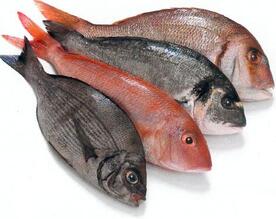
Fish meal: Fish meal has been widely used as a protein source for many years for fish.
High quality whole fishmeal provides a balanced amount of all essential amino acids, phospholipids, and fatty acids for optimum development, growth, and reproduction, especially of larvae and brood stock. The nutrients in fishmeal (such as Omega 3 fatty acids) also aid in disease resistance by boosting and helping to maintain a healthy functional immune system.
Two basic types of fish meal are produced:
(1) Fish Meal from left over parts: Produced from fishery waste (salmon, tuna, etc.) that are associated with the processing of various edible human fishery products and this fishmeal is rendered from fish offal, trimmings or cuttings, and other wastes principally from filleting and canning operations from the edible fisheries (e.g., tuna, cod, haddock, hake, pollock). In addition to being a by-product of human fish production it is also a by-product associated with Omega 3 fish oil production, which is where many commercial fish foods obtain fish meal from, thus losing an important natural nutrient: Fish Oil (with Omaga 3).
Unfortunately, many if not MOST of the major fish food brands use this poor source of nutrition rather than the vastly superior whole fish meal.
(2) Whole Fishmeal: When specific fish (Herring, Menhaden, Anchovies, Hakes, Jacks, Pollack, etc.) are harvested just for the purpose to produce fish meal. The fish can be dried directly drying or cooking prior to drying and oil extracted. Most of these fish are small, bony, with high content of oil (especially the important Omega 3 discussed in the “Fats” section) and considered of little edible use for humans (e.g., anchovies, herrings, capelin, menhaden).
Fish that are only used for the production of fish meal are the best source, listed on ingredients as “Whole Fish Meal”, “White Fish Meal”, or the best: “Whole Menhaden Fish Meal” (found in AAP/Paradigm fish foods). Fishmeal of high quality provides a balanced amount of all essential amino acids, phospholipids, and fatty acids (Omega 3, DHA or docosahexaenoic acid and EPA or eicosapentaenoic acid) for optimum development, growth, and reproduction, especially of larvae and brood stock. The nutrients in whole fishmeal also aid in disease resistance by boosting and helping to maintain a healthy functional immune system.
Most plant-based proteins, even when properly processed (with the exception of Spirulina, which is not actually a plant or even a true algae), are usually not as digestible as fishmeal; and their inclusion rate into the diet is often limited as it results in depressed growth rates and feed intake. Over-all protein digestibility values for premium fish meals are consistently above 92%. In comparison protein digestibility for many plant-based proteins varies greatly, for example, from 77% to 96%, depending on the species of plant.
Whole Fish Meal is an excellent source of DL-methionine which along with some fats such as the VERY important Omega 3 fatty acid is important to large head growth in certain cichlids and Orandas/Lionhead goldfish. As noted earlier, unfortunately many leading brands of fish food use only bi-products or low-quality Fish Meal which is not complete.
Whole Fish Meal averages between 17% and 25% ash content. More ash indicates a higher mineral content, especially calcium, phosphorus, and magnesium. Calcium and phosphorus constitute the majority of the ash found in fishmeal. This makes Whole Fishmeal an important source of very essential minerals that fish need for osmoregulation.
Reference:
• Aquarium Answers, Osmotic Regulation in Fish
Fishmeal also contains certain compounds that make the fish food more acceptable and agreeable to the taste (palatable). This property allows for the feed to be ingested rapidly, and will reduce nutrient leaching. It is thought the non-essential amino acid glutamic acid is one of the compounds that imparts to fishmeal its palatability.
Use of high-quality fish meal as a percentage of processed/prepared foods ranges from 5-7% for koi and goldfish, and up to 40% to 55% for high protein tropical fish, trout, salmon, and some marine fish's diets.
Unfortunately, the cost of high-quality whole fishmeal (65% protein) is 2.0 to 3.5 times the price of soybean meal, so its use is often low as compared to soybean meal or lower quality fishmeal in low end fish foods (which make up the more popular brands too).
Further reading for Fish Meal (resource):
• Fish Meal in Aquaculture Diets; University of Florida
Recommended Product Resource with Whole Menhaden Fish Meal:
• Clay Neighbor's AAP Custom, Fish Food Crumbles with Whole Menhaden Fish Meal
High quality whole fishmeal provides a balanced amount of all essential amino acids, phospholipids, and fatty acids for optimum development, growth, and reproduction, especially of larvae and brood stock. The nutrients in fishmeal (such as Omega 3 fatty acids) also aid in disease resistance by boosting and helping to maintain a healthy functional immune system.
Two basic types of fish meal are produced:
(1) Fish Meal from left over parts: Produced from fishery waste (salmon, tuna, etc.) that are associated with the processing of various edible human fishery products and this fishmeal is rendered from fish offal, trimmings or cuttings, and other wastes principally from filleting and canning operations from the edible fisheries (e.g., tuna, cod, haddock, hake, pollock). In addition to being a by-product of human fish production it is also a by-product associated with Omega 3 fish oil production, which is where many commercial fish foods obtain fish meal from, thus losing an important natural nutrient: Fish Oil (with Omaga 3).
Unfortunately, many if not MOST of the major fish food brands use this poor source of nutrition rather than the vastly superior whole fish meal.
(2) Whole Fishmeal: When specific fish (Herring, Menhaden, Anchovies, Hakes, Jacks, Pollack, etc.) are harvested just for the purpose to produce fish meal. The fish can be dried directly drying or cooking prior to drying and oil extracted. Most of these fish are small, bony, with high content of oil (especially the important Omega 3 discussed in the “Fats” section) and considered of little edible use for humans (e.g., anchovies, herrings, capelin, menhaden).
Fish that are only used for the production of fish meal are the best source, listed on ingredients as “Whole Fish Meal”, “White Fish Meal”, or the best: “Whole Menhaden Fish Meal” (found in AAP/Paradigm fish foods). Fishmeal of high quality provides a balanced amount of all essential amino acids, phospholipids, and fatty acids (Omega 3, DHA or docosahexaenoic acid and EPA or eicosapentaenoic acid) for optimum development, growth, and reproduction, especially of larvae and brood stock. The nutrients in whole fishmeal also aid in disease resistance by boosting and helping to maintain a healthy functional immune system.
Most plant-based proteins, even when properly processed (with the exception of Spirulina, which is not actually a plant or even a true algae), are usually not as digestible as fishmeal; and their inclusion rate into the diet is often limited as it results in depressed growth rates and feed intake. Over-all protein digestibility values for premium fish meals are consistently above 92%. In comparison protein digestibility for many plant-based proteins varies greatly, for example, from 77% to 96%, depending on the species of plant.
Whole Fish Meal is an excellent source of DL-methionine which along with some fats such as the VERY important Omega 3 fatty acid is important to large head growth in certain cichlids and Orandas/Lionhead goldfish. As noted earlier, unfortunately many leading brands of fish food use only bi-products or low-quality Fish Meal which is not complete.
Whole Fish Meal averages between 17% and 25% ash content. More ash indicates a higher mineral content, especially calcium, phosphorus, and magnesium. Calcium and phosphorus constitute the majority of the ash found in fishmeal. This makes Whole Fishmeal an important source of very essential minerals that fish need for osmoregulation.
Reference:
• Aquarium Answers, Osmotic Regulation in Fish
Fishmeal also contains certain compounds that make the fish food more acceptable and agreeable to the taste (palatable). This property allows for the feed to be ingested rapidly, and will reduce nutrient leaching. It is thought the non-essential amino acid glutamic acid is one of the compounds that imparts to fishmeal its palatability.
Use of high-quality fish meal as a percentage of processed/prepared foods ranges from 5-7% for koi and goldfish, and up to 40% to 55% for high protein tropical fish, trout, salmon, and some marine fish's diets.
Unfortunately, the cost of high-quality whole fishmeal (65% protein) is 2.0 to 3.5 times the price of soybean meal, so its use is often low as compared to soybean meal or lower quality fishmeal in low end fish foods (which make up the more popular brands too).
Further reading for Fish Meal (resource):
• Fish Meal in Aquaculture Diets; University of Florida
Recommended Product Resource with Whole Menhaden Fish Meal:
• Clay Neighbor's AAP Custom, Fish Food Crumbles with Whole Menhaden Fish Meal
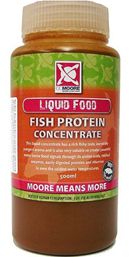
CONDENSED FISH PROTEIN DIGEST: "Condensed Fish Protein Digest" is the condensed enzymatic digest of clean undecomposed whole fish or fish cuttings using the enzyme hydrolysis process.
Reference:
• Enzymatic hydrolysis; Wikipedia.
This product can better be defined and is often labeled as "fish protein hydrolysate". This hydrolization process involves the liquification of whole fish or fish left-overs in a vat of enzymes. The bones and scales are discarded with the subsequent slurry passed through a spray dryer. The end product that is often used in fish foods is an inexpensive, highly digestible protein that is practically void of ash and phosphate.
While there are both positives and negatives of the use of this product in fish foods, the negatives clearly outweigh the positives. The positive is a cheap source to drive up fish food protein numbers and keeps phosphates to a minimum.
The negative is it is better to bring up protein numbers by whole complete ingredients. As well, this process removes essential natural minerals that are important for the fish, including osmoregulation.
Since most "Condensed Fish Protein Digests" are made from fish "left-overs", similar to the use of standard fish meal most fish foods use versus whole fish meal, we are further diluting the natural nutritional value of a fish food.
Ocean Nutrition is a popular fish food that unfortunately uses this product.
Reference:
• Enzymatic hydrolysis; Wikipedia.
This product can better be defined and is often labeled as "fish protein hydrolysate". This hydrolization process involves the liquification of whole fish or fish left-overs in a vat of enzymes. The bones and scales are discarded with the subsequent slurry passed through a spray dryer. The end product that is often used in fish foods is an inexpensive, highly digestible protein that is practically void of ash and phosphate.
While there are both positives and negatives of the use of this product in fish foods, the negatives clearly outweigh the positives. The positive is a cheap source to drive up fish food protein numbers and keeps phosphates to a minimum.
The negative is it is better to bring up protein numbers by whole complete ingredients. As well, this process removes essential natural minerals that are important for the fish, including osmoregulation.
Since most "Condensed Fish Protein Digests" are made from fish "left-overs", similar to the use of standard fish meal most fish foods use versus whole fish meal, we are further diluting the natural nutritional value of a fish food.
Ocean Nutrition is a popular fish food that unfortunately uses this product.
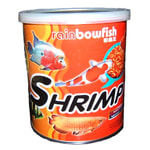
SHRIMP MEAL (& Plankton/Krill): Shrimp meal can be made from either cull shrimp that are being processed before freezing or from whole shrimp that is not of suitable quality for human consumption. For fish food, in most every instance for fish food it is only shrimp "parts" with just 20% digestibility that is used. The material to be made into shrimp meal is dried (sun or using a dryer) and then ground. Shrimp meal has been used in trout and salmon diets as a source of pigments to impart the desirable color in the tissues.
Krill/Plankton meal is usually processed whole and is very high in proteins and fat, so much so that it can make energy levels too high even when used in a smaller fraction of the food. Krill meal can be an excellent source for fats needed for the growth of heads in Flowerhorn Cichlids.
A positive aspect of Shrimp or Krill Meal is that it often has a high palatability for many fish, especially small “finicky” fish such as many small Tetras. For this reason, many fish foods specifically designed for small finicky fish includes this food source as a major ingredient. Examples include "Hikari Micro Wafers" (which also includes Garlic) or for delicate Marine Fish, "Hikari Marine S".
Both Shrimp or Krill meal has been found to be an acceptable supplemental protein source for fish, but inferior to whole fish meal such as Whole Menhaden Fish Meal for pepsin digestibility. As well, over all protein digestibility of the Shrimp meal in particular used for fish foods is low compared again to other protein sources such as Whole Menhaden Fish Meal with Shrimp coming in at about 20% digestibility while Whole Menhaden is closer to 90%. Another issue with shrimp meal and especially Krill meal is its over all energy levels are too high which long term could lead to fatty liver issues.
Krill/Plankton meal is usually processed whole and is very high in proteins and fat, so much so that it can make energy levels too high even when used in a smaller fraction of the food. Krill meal can be an excellent source for fats needed for the growth of heads in Flowerhorn Cichlids.
A positive aspect of Shrimp or Krill Meal is that it often has a high palatability for many fish, especially small “finicky” fish such as many small Tetras. For this reason, many fish foods specifically designed for small finicky fish includes this food source as a major ingredient. Examples include "Hikari Micro Wafers" (which also includes Garlic) or for delicate Marine Fish, "Hikari Marine S".
Both Shrimp or Krill meal has been found to be an acceptable supplemental protein source for fish, but inferior to whole fish meal such as Whole Menhaden Fish Meal for pepsin digestibility. As well, over all protein digestibility of the Shrimp meal in particular used for fish foods is low compared again to other protein sources such as Whole Menhaden Fish Meal with Shrimp coming in at about 20% digestibility while Whole Menhaden is closer to 90%. Another issue with shrimp meal and especially Krill meal is its over all energy levels are too high which long term could lead to fatty liver issues.
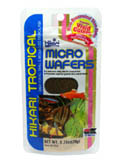
In the end, both Shrimp and Krill meals are a great appetite stimulant and part of a diet if fish are finicky eaters, but if the fish will eat other foods just fine, shrimp/krill or fish foods containing krill/shrimp should be avoided long term!
Product Resources:
• FD Small Shrimp, Plankton Fish Food
• AAP/Gamma Nutrashots | Fish, Corals Premium Fish Food
• Hikari Micro Wafers Highly Palatable Small Fish Food Diet
• Hikari Marine S; Micro Pellets
Product Resources:
• FD Small Shrimp, Plankton Fish Food
• AAP/Gamma Nutrashots | Fish, Corals Premium Fish Food
• Hikari Micro Wafers Highly Palatable Small Fish Food Diet
• Hikari Marine S; Micro Pellets
SQUID MEAL: Squid Meal is made from squid viscera portions from cannery plants including egg and testis. Squid Meal is high digestibility of protein source, which provides a full range of amino acids for fish. It provides various kinds of vitamins and minerals and also 1.0-1.5% of cholesterol that is suitable for fish fry and young fish.
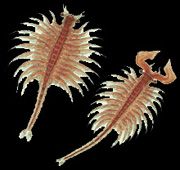
BRINE SHRIMP: Just over a centimeter in size, the adult brine shrimp (Artemia) is a common food source for fish. They can be purchased at many Pet Stores as adults, Freeze dried or even eggs. The eggs look like a powdery brown substance but in reality, the substance is thousands of cysts—eggs surrounded by protective cases. When added to water, these cysts will hatch into shrimp nauplii within a few hours.
As a food source brine shrimp are relatively limited (mostly because of their high-water content). They are a good source of carotene for color and act as a natural laxative in fish digestive systems. The proteins they do supply are of high quality. Depending on the source they also can supply vegetable matter due to their consumption of algae.
As I noted, Brine Shrimp have a natural laxative ability and along with shelled peas makes for an excellent laxative for constipated fish. Even better would be to combine a high content Spirulina Flake such as Spirulina 20 and make a thick soup and soak some frozen or even FD Brine Shrimp (frozen or live is slightly better) for a natural immune boosting/laxative that is excellent for Bettas, goldfish, etc. Hikari also makes a Spirulina enhanced FD Brine Shrimp product that is excellent as well.
Product Resources:
• Freeze Dried Brine Shrimp Fish Food
• Hikari Spirulina enhanced FD Brine Shrimp
As a food source brine shrimp are relatively limited (mostly because of their high-water content). They are a good source of carotene for color and act as a natural laxative in fish digestive systems. The proteins they do supply are of high quality. Depending on the source they also can supply vegetable matter due to their consumption of algae.
As I noted, Brine Shrimp have a natural laxative ability and along with shelled peas makes for an excellent laxative for constipated fish. Even better would be to combine a high content Spirulina Flake such as Spirulina 20 and make a thick soup and soak some frozen or even FD Brine Shrimp (frozen or live is slightly better) for a natural immune boosting/laxative that is excellent for Bettas, goldfish, etc. Hikari also makes a Spirulina enhanced FD Brine Shrimp product that is excellent as well.
Product Resources:
• Freeze Dried Brine Shrimp Fish Food
• Hikari Spirulina enhanced FD Brine Shrimp
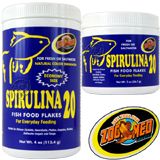
SPIRULINA: Spirulina is a blue-green plant plankton rich in raw protein and seven major vitamins: A1, B1, B2, B6, B12, C and E. Spirulina naturally contains beta-carotene color enhancing pigments (1500 mg/kg. Carotenoids; Orange/ Red pigment enhancers), and whole range of minerals. In addition, it contains all essential fatty acids and eight amino acids required for complete nutrition.
Spirulina is different from other algae and is similar to bacteria in many ways, occupying a niche between plants and bacteria. Spirulina is similar to cyanobacteria in structure which can be toxic (spiral shape, unlike true plant plankton). Spirulina and Blue-Green algae are recognized by the body (fish in particular) as a bacterium, causing an increase in antibodies, which in turn increase disease resistance. Spirulina is also high in usable or digestible amino acids.
Spirulina is probably one of the best fish food ingredients available, INCLUDING for carnivores (as PART of the diet, usually fed via gut loading, more information later in the article). Generally, any staple fish food diet for community fish is improved by the addition of Spirulina Algae, especially when used at the perfect balance. However, too much Spirulina can cancel out benefits while not enough and it the benefits are less noteworthy. This is why AAP Spirulina 20 which has Spirulina algae at 20 percent (hence Spirulina 20) is superior to most other basic and premium fish food flakes (including other Spirulina formulas (such as by Cobalt) for everyday feeding of general/community aquarium fish.
One of the negatives of Spirulina is fish sometimes have to be hungry and then acclimated to a fish food containing a high amount of Spirulina as it is not as palatable to many fish. I noted this in my fish food trials going as far back to the late 1970s using "Aquatronics Green Flake Plus" where fish when given a choice would go for much less healthy foods with enhancers for stimulating appetite over Spirulina based foods. However, once acclimated, most fish would then readily accept Spirulina based foods and the difference in fish disease resistance, longevity and sometimes color was noteworthy over other fish foods I tested.
Product Resources:
• Spirulina 20, Superior Nutrition Basic Fish Food Flake by AAP
• AAP Premium; Fish Food Crumbles with Human Grade Spirulina by AAP
For much more about Spirulina as to the health benefits there in:
• Spirulina Algae; The aquatic health benefits for Tropical, Marine and Goldfish.
Spirulina is different from other algae and is similar to bacteria in many ways, occupying a niche between plants and bacteria. Spirulina is similar to cyanobacteria in structure which can be toxic (spiral shape, unlike true plant plankton). Spirulina and Blue-Green algae are recognized by the body (fish in particular) as a bacterium, causing an increase in antibodies, which in turn increase disease resistance. Spirulina is also high in usable or digestible amino acids.
Spirulina is probably one of the best fish food ingredients available, INCLUDING for carnivores (as PART of the diet, usually fed via gut loading, more information later in the article). Generally, any staple fish food diet for community fish is improved by the addition of Spirulina Algae, especially when used at the perfect balance. However, too much Spirulina can cancel out benefits while not enough and it the benefits are less noteworthy. This is why AAP Spirulina 20 which has Spirulina algae at 20 percent (hence Spirulina 20) is superior to most other basic and premium fish food flakes (including other Spirulina formulas (such as by Cobalt) for everyday feeding of general/community aquarium fish.
One of the negatives of Spirulina is fish sometimes have to be hungry and then acclimated to a fish food containing a high amount of Spirulina as it is not as palatable to many fish. I noted this in my fish food trials going as far back to the late 1970s using "Aquatronics Green Flake Plus" where fish when given a choice would go for much less healthy foods with enhancers for stimulating appetite over Spirulina based foods. However, once acclimated, most fish would then readily accept Spirulina based foods and the difference in fish disease resistance, longevity and sometimes color was noteworthy over other fish foods I tested.
Product Resources:
• Spirulina 20, Superior Nutrition Basic Fish Food Flake by AAP
• AAP Premium; Fish Food Crumbles with Human Grade Spirulina by AAP
For much more about Spirulina as to the health benefits there in:
• Spirulina Algae; The aquatic health benefits for Tropical, Marine and Goldfish.
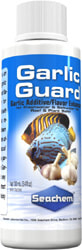
GARLIC: There is a lot of both subjective and objective evidence about the use and effectiveness of garlic for fish. Much of this is positive, but there are also negative reviews of the use of Garlic. It is also noteworthy that any heat destroys many beneficial aspects of garlic. There is also research (mostly outside of the aquarium hobby) showing that garlic use may help prevent certain pathogens from affecting one's fish, but not necessarily treating a full-blown disease. I myself have used Garlic as an appetite stimulant with good results, which use as an appetite stimulant is not controversial as it is with medicinal uses.
Based on a study ("Using Garlic as an Appetite Stimulant in Sand Tiger Sharks." Drum & Croaker, January 2004, Volume 35, pages 59-63"), I would have to venture a guess that the results that I and others have observed were real, it simply depends upon the fish and what stimulates certain fish, as this study was quite flawed and only dealt with one type of fish. My positive results were with omnivores and herbivores, but not carnivores (in particular Yellow Tangs and some livebearers I only used Garlic to stimulate appetite).
Here are a couple other claims of benefits for Garlic use:
• Anti-bacterial.
• Anti parasite including internal worms as well as Freshwater Ich (Ichthyophthirius multifiliis) & Marine Ich (Cryptocaryon irritants).
I do not have good evidence of the benefit of Garlic for parasite treatment, however I have found that occasional use (such as when new fish are added) that Garlic seems to lower the chance of Cryptocaryon infestations versus fish not fed garlic infused food.
This anecdotal evidence is backed up by human research into malaria (of which both single celled parasites are affected by PROVEN similar therapies such as Chloroquine Phospate and pyrimethamine).
In one such study, Ajoene, a disulfide that naturally occurs in garlic, appears to work by blocking the action of glutathione (a protein that is of particular importance in cells that rapidly reproduce such malaria-infected cells).
What this means for us fish keepers is not that garlic will necessarily treat an Ich (or Cryptocaryon) infestation but provides some strong evidence that backs up my own anecdotal evidence that when used OCCASIONALLY (such as new fish introduction/quarantine) garlic supplements can lower the chance of such an infestation.
Reference:
• Garlic 'fights malaria'
Garlic contains the active (& proven) ingredient: Allicin, (a.k.a. Diallyl thiosulfinate). Allicin is a broad-spectrum agent against both Gram Positive and gram-negative bacteria, with more gram-positive activity (which unfortunately most aquatic diseases are gram negative). Allicin does not readily occur in garlic, rather it is produced when garlic is finely chopped or crushed. The finer the chopping and/or the more intensive the crushing, the more allicin is generated and the stronger the medicinal effect. This medicinal effect degrades with time and heat.
Fish Tuberculosis (Mycobacterium marinum) has been demonstrated to be effectively treated with Allicin. Some human studies show the effectiveness of Garlic (Allicin) in treatment Streptoccocus (which can affect fish).
Reference:
• TB in Fish; Mycobacterium Tuberculosis
There have been some Internet myths being circulated that the use of Garlic can cause liver damage in fish. Since the aquarium hobby/industry has very little $$ for real research, the best way to check something like this is via medical websites where there likely is more real research instead of the anecdotal and worse, often opinions with no basis of fact.
With normal use (not exaggerated doses or constant use), all I could find is problems via interaction with other medication including NSAIDS, blood thinners, & Protease inhibitors (a class of antiviral drugs).
It is highly unlikely that any aquarium hobbyist would use such drugs in their aquarium and so it is more likely the fish liver would actually benefit from the use of a short term garlic soak. Better, if concerned about liver damage in your fish: STOP feeding the vast majority of fish foods on the market with too high energy levels (which can cause fatty liver issues as cited earlier in this article).
Just as importantly since regardless of how one feels about garlic, it is quite clear it should not be used constantly, especially in high doses. While not a perfect analogy (since Vitamin A is required and garlic is not), it is noteworthy that even Vitamin A can cause liver damage at certain dosages.
References:
• Garlic Use & Liver Damage
• Hypervitaminosis A
I would caution though that raw garlic can burn through intestinal walls and kill off gut bacteria as well as cause anemia, so I would suggest on/off use. In the end, based on research and experience, garlic is an ingredient best used occasionally for different reasons, but should not be used indefinitely nor should it be part of any prepared fish food that is the mainstay long term diet.
Garlic can be added to fish food at about 1-2% (generally during manufacture or homemade fish food) or an aquarium keeper can add professionally prepared products such as SeaChem Garlic Guard to fish food prior to feeding (a half hour or more is best to allow food to absorb the garlic). However, adding garlic to most prepared foods prior to cooking nullifies most benefits. AAP/SeaChem Garlic Guard uses crushed garlic extracts, not heat to produce the product.
AAP/SeaChem GarlicGuard can be mixed with Metronidazole or Neomycin and then fed used as a food soak for treatment of internal bacterial and some parasites. For Fish Tuberculosis, Garlic Guard can be mixed with both Neomycin and Kanamycin for improving the potential effectiveness of tuberculosis treatment.
Product Resources:
• AAP Garlic Guard; Fish Food Appetite Enhancer, TB treatment
• SeaChem Neoplex (Neomycin)
Based on a study ("Using Garlic as an Appetite Stimulant in Sand Tiger Sharks." Drum & Croaker, January 2004, Volume 35, pages 59-63"), I would have to venture a guess that the results that I and others have observed were real, it simply depends upon the fish and what stimulates certain fish, as this study was quite flawed and only dealt with one type of fish. My positive results were with omnivores and herbivores, but not carnivores (in particular Yellow Tangs and some livebearers I only used Garlic to stimulate appetite).
Here are a couple other claims of benefits for Garlic use:
• Anti-bacterial.
• Anti parasite including internal worms as well as Freshwater Ich (Ichthyophthirius multifiliis) & Marine Ich (Cryptocaryon irritants).
I do not have good evidence of the benefit of Garlic for parasite treatment, however I have found that occasional use (such as when new fish are added) that Garlic seems to lower the chance of Cryptocaryon infestations versus fish not fed garlic infused food.
This anecdotal evidence is backed up by human research into malaria (of which both single celled parasites are affected by PROVEN similar therapies such as Chloroquine Phospate and pyrimethamine).
In one such study, Ajoene, a disulfide that naturally occurs in garlic, appears to work by blocking the action of glutathione (a protein that is of particular importance in cells that rapidly reproduce such malaria-infected cells).
What this means for us fish keepers is not that garlic will necessarily treat an Ich (or Cryptocaryon) infestation but provides some strong evidence that backs up my own anecdotal evidence that when used OCCASIONALLY (such as new fish introduction/quarantine) garlic supplements can lower the chance of such an infestation.
Reference:
• Garlic 'fights malaria'
Garlic contains the active (& proven) ingredient: Allicin, (a.k.a. Diallyl thiosulfinate). Allicin is a broad-spectrum agent against both Gram Positive and gram-negative bacteria, with more gram-positive activity (which unfortunately most aquatic diseases are gram negative). Allicin does not readily occur in garlic, rather it is produced when garlic is finely chopped or crushed. The finer the chopping and/or the more intensive the crushing, the more allicin is generated and the stronger the medicinal effect. This medicinal effect degrades with time and heat.
Fish Tuberculosis (Mycobacterium marinum) has been demonstrated to be effectively treated with Allicin. Some human studies show the effectiveness of Garlic (Allicin) in treatment Streptoccocus (which can affect fish).
Reference:
• TB in Fish; Mycobacterium Tuberculosis
There have been some Internet myths being circulated that the use of Garlic can cause liver damage in fish. Since the aquarium hobby/industry has very little $$ for real research, the best way to check something like this is via medical websites where there likely is more real research instead of the anecdotal and worse, often opinions with no basis of fact.
With normal use (not exaggerated doses or constant use), all I could find is problems via interaction with other medication including NSAIDS, blood thinners, & Protease inhibitors (a class of antiviral drugs).
It is highly unlikely that any aquarium hobbyist would use such drugs in their aquarium and so it is more likely the fish liver would actually benefit from the use of a short term garlic soak. Better, if concerned about liver damage in your fish: STOP feeding the vast majority of fish foods on the market with too high energy levels (which can cause fatty liver issues as cited earlier in this article).
Just as importantly since regardless of how one feels about garlic, it is quite clear it should not be used constantly, especially in high doses. While not a perfect analogy (since Vitamin A is required and garlic is not), it is noteworthy that even Vitamin A can cause liver damage at certain dosages.
References:
• Garlic Use & Liver Damage
• Hypervitaminosis A
I would caution though that raw garlic can burn through intestinal walls and kill off gut bacteria as well as cause anemia, so I would suggest on/off use. In the end, based on research and experience, garlic is an ingredient best used occasionally for different reasons, but should not be used indefinitely nor should it be part of any prepared fish food that is the mainstay long term diet.
Garlic can be added to fish food at about 1-2% (generally during manufacture or homemade fish food) or an aquarium keeper can add professionally prepared products such as SeaChem Garlic Guard to fish food prior to feeding (a half hour or more is best to allow food to absorb the garlic). However, adding garlic to most prepared foods prior to cooking nullifies most benefits. AAP/SeaChem Garlic Guard uses crushed garlic extracts, not heat to produce the product.
AAP/SeaChem GarlicGuard can be mixed with Metronidazole or Neomycin and then fed used as a food soak for treatment of internal bacterial and some parasites. For Fish Tuberculosis, Garlic Guard can be mixed with both Neomycin and Kanamycin for improving the potential effectiveness of tuberculosis treatment.
Product Resources:
• AAP Garlic Guard; Fish Food Appetite Enhancer, TB treatment
• SeaChem Neoplex (Neomycin)
BEEF HEART: Although still fed to fish and often part of many homemade fish food recipes due to popular YouTube channels and other social media, Beef Heart is a food source that should be used very sparingly if at all. Although many carnivorous fish enjoy it and it may be a good way to kick start growth in juvenile fish, excessive long term use can add stress to the fish' digestive tract and kidneys, thus lowering resistance to disease and shortening lifespan (which I noted in some side by side fish food comparisons in the 1980s where Oscar Fish that were fed a diet primarily of Beef Heart had CLEARLY shorter life spans and were more prone to infections or other problems such as HITH).
Although lower in fats than most warm blooded animal meats, Beef Heart is still about 18% Saturated Fat. These fats are very difficult for fish to process these fats, especially older fish.
The well-known aquatic author Martin A. Moe (my favorite is the "The Marine Aquarium Handbook") states: "Fish are cold blooded and all digestion reactions take place at 70 to 80F, the temp of aquarium water. Thus, they may not be able to efficiently digest or use the types of fats present in the flesh of warm-blooded animals. They are much better off with the flesh of animals that are similar to their normal prey." As well the amino acids (which make up proteins) are not ones that are easily utilized by fish.
Another issue with the use of Beef Heart is due to its make up, it often leads to considerable aquarium pollution when used regularly, which is another reason to use sparingly (if at all).
Unfortunately, our hobby seems to no longer respect mentors or those who existed even a few years before they got into hobby with their Facebook pages and YouTube channels, so the experience of Martin A. Moe & others is but a foreign language to these persons who should know better as the use of beef heart was LONG AGO discredited as a fish food source. So, BEWARE please do not make this mistake!
SOYBEAN MEAL: Use of soybean products in the aquaculture industry have become the focus of protein substitution in fish food around the world. The high protein level makes soybean meal a key ingredient for aquaculture feeds since soybean meal is considerably less expensive than traditionally used marine animal meals.
However, while soy is more of an exception, proteins in cereal grains and other plant-based concentrates generally do not contain complete amino acid profiles and usually are more deficient in the essential amino acids lysine and methionine. The limiting amino acid content of soybean meal is moderately high and are not to amino acid profiles of Whole fish meal or eggs.
Another thought about soy is its digestibility compared to animal-based proteins. I have done a lot of reading on this aspect if only because I have become a "SIBO" patient in recent years (Small Intestine Bacterial Over-growth). I have found in practical experience and then later read that soy-based products cause me more issues.
While the use of soybean meal is OK, fish foods that use soybean meal as the primary protein source should be avoided. Moreover, use of soybean meal as a source of vegetable matter should also be avoided as this can affect the protein limiting when used with other protein sources such as whole fish meal.
Although lower in fats than most warm blooded animal meats, Beef Heart is still about 18% Saturated Fat. These fats are very difficult for fish to process these fats, especially older fish.
The well-known aquatic author Martin A. Moe (my favorite is the "The Marine Aquarium Handbook") states: "Fish are cold blooded and all digestion reactions take place at 70 to 80F, the temp of aquarium water. Thus, they may not be able to efficiently digest or use the types of fats present in the flesh of warm-blooded animals. They are much better off with the flesh of animals that are similar to their normal prey." As well the amino acids (which make up proteins) are not ones that are easily utilized by fish.
Another issue with the use of Beef Heart is due to its make up, it often leads to considerable aquarium pollution when used regularly, which is another reason to use sparingly (if at all).
Unfortunately, our hobby seems to no longer respect mentors or those who existed even a few years before they got into hobby with their Facebook pages and YouTube channels, so the experience of Martin A. Moe & others is but a foreign language to these persons who should know better as the use of beef heart was LONG AGO discredited as a fish food source. So, BEWARE please do not make this mistake!
SOYBEAN MEAL: Use of soybean products in the aquaculture industry have become the focus of protein substitution in fish food around the world. The high protein level makes soybean meal a key ingredient for aquaculture feeds since soybean meal is considerably less expensive than traditionally used marine animal meals.
However, while soy is more of an exception, proteins in cereal grains and other plant-based concentrates generally do not contain complete amino acid profiles and usually are more deficient in the essential amino acids lysine and methionine. The limiting amino acid content of soybean meal is moderately high and are not to amino acid profiles of Whole fish meal or eggs.
Another thought about soy is its digestibility compared to animal-based proteins. I have done a lot of reading on this aspect if only because I have become a "SIBO" patient in recent years (Small Intestine Bacterial Over-growth). I have found in practical experience and then later read that soy-based products cause me more issues.
While the use of soybean meal is OK, fish foods that use soybean meal as the primary protein source should be avoided. Moreover, use of soybean meal as a source of vegetable matter should also be avoided as this can affect the protein limiting when used with other protein sources such as whole fish meal.
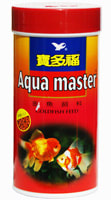
WHOLE WHEAT: Carbohydrates as explained earlier are not the best source of energy in fish, but sources of Carbohydrates still can be useful, especially when whole wheat is used. One reason is for roughage, especially in many South American cichlids, goldfish and koi, but also for other fish for the Wheat Germ found in whole wheat is a natural source of vitamin E, an important vitamin to promote healthy growth and fish color. Wheat Germ is very helpful in preparing your Koi fish for winter (during the fall) in cooler climates, or even feeding during winter where water temperatures remain above 45-50F.
Whole Wheat in your goldfish/koi diet (such as AquaMaster Premium Koi Diet) can act to prevent intestinal distress which in turn help prevent opportunistic internal Aeromonas infections.
Product Resource:
• AquaMaster Koi Fish Diet
GLUTENS: Gluten is a protein composite that appears in foods processed from wheat and related species. Glutens are also the basic source of glutamate, what the Japanese call "umami" what Americans and others call savory - the flavor produced by proteins and amino acids found primarily in meat. When cooked in broth, gluten absorbs some of the surrounding liquid (including the taste) and becoming firm, making for popular meatless, inexpensive filler used by many fish foods (& human foods). Among vegetarian & vegan diets, as well as several Asian cultures (especially where Buddhism was prevalent), there was a desire to experience umami without eating meat so foods using soy and gluten proteins became very popular; this use has also crossed over too many fish foods as well.
Whole Wheat in your goldfish/koi diet (such as AquaMaster Premium Koi Diet) can act to prevent intestinal distress which in turn help prevent opportunistic internal Aeromonas infections.
Product Resource:
• AquaMaster Koi Fish Diet
GLUTENS: Gluten is a protein composite that appears in foods processed from wheat and related species. Glutens are also the basic source of glutamate, what the Japanese call "umami" what Americans and others call savory - the flavor produced by proteins and amino acids found primarily in meat. When cooked in broth, gluten absorbs some of the surrounding liquid (including the taste) and becoming firm, making for popular meatless, inexpensive filler used by many fish foods (& human foods). Among vegetarian & vegan diets, as well as several Asian cultures (especially where Buddhism was prevalent), there was a desire to experience umami without eating meat so foods using soy and gluten proteins became very popular; this use has also crossed over too many fish foods as well.
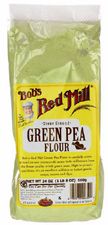
PEAS & PEA FLOUR: Green peas or green pea flour is a good source of fiber (when not over processed & include the hull). Pea flour is also used to lower protein which is important and missed often even by premium brand fish foods. Please reference the amino acids section earlier in this article for more.
This ingredient when dried contains 26.6% protein without a complete amino acid profile so it is NOT and should not be used as a complete diet as per proteins/amino acids. However, it is a superior source of vegetable matter for fish, with one of the most complete vegetable nutritional make-ups of any vegetable sources, including kelp.
Here are just a few of the benefits of pea flour and why a fish food containing this as a major ingredient is often superior: Green peas are one of the most nutritious leguminous vegetables rich in health benefiting phyto-nutrients, minerals, vitamins and antioxidants. Pea flour is an excellent source ascorbic acid (vitamin C) as well as folic acid. Folates are one of the B-complex vitamins required for DNA synthesis inside animal's cells. Pea flour has adequate amounts of antioxidants flavonoids such as carotenes, lutein and zea-xanthin as well as vitamin-A. Dried green pea flour also contains these nutrition parameters: 2.4% fat/lipids and 28.2% starch, 27.7% fiber, 6.9% sugar, 3% minerals and 5% moisture.
Fresh or frozen green peas are often used as a digestive aid for constipation in fish (along with Brine Shrimp), in particular Goldfish. Make sure to boil or microwave the peas first (then cool) so as to soften. Then remove the skin and cut in 1/2 using what would be the stem of the seed curved along the center of the pea as a cutting guide.
Product Resource:
• AAP Custom/Paradigm, Fish Food Crumbles with fresh ground Pea Flour
References:
• Green peas nutrition
• Anti-nutritional factors in feed pea
This ingredient when dried contains 26.6% protein without a complete amino acid profile so it is NOT and should not be used as a complete diet as per proteins/amino acids. However, it is a superior source of vegetable matter for fish, with one of the most complete vegetable nutritional make-ups of any vegetable sources, including kelp.
Here are just a few of the benefits of pea flour and why a fish food containing this as a major ingredient is often superior: Green peas are one of the most nutritious leguminous vegetables rich in health benefiting phyto-nutrients, minerals, vitamins and antioxidants. Pea flour is an excellent source ascorbic acid (vitamin C) as well as folic acid. Folates are one of the B-complex vitamins required for DNA synthesis inside animal's cells. Pea flour has adequate amounts of antioxidants flavonoids such as carotenes, lutein and zea-xanthin as well as vitamin-A. Dried green pea flour also contains these nutrition parameters: 2.4% fat/lipids and 28.2% starch, 27.7% fiber, 6.9% sugar, 3% minerals and 5% moisture.
Fresh or frozen green peas are often used as a digestive aid for constipation in fish (along with Brine Shrimp), in particular Goldfish. Make sure to boil or microwave the peas first (then cool) so as to soften. Then remove the skin and cut in 1/2 using what would be the stem of the seed curved along the center of the pea as a cutting guide.
Product Resource:
• AAP Custom/Paradigm, Fish Food Crumbles with fresh ground Pea Flour
References:
• Green peas nutrition
• Anti-nutritional factors in feed pea
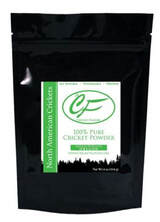
CRICKETS, CRICKET FLOUR/MEAL: Cricket Flour/Meal is highly digestible and since insects or insect larva/pupae are a common natural food ingredient for many fish, its use as part of carnivore or omnivore fish food is something that improves the quality of the food but is unfortunately not very commonly used (likely due to costs). Many fish are predominately insectivorous (animals that primarily eat insects) such as Arowana, African Butterfly fish, so the use of this Cricket Flour is something that might be sought out as an ingredient.
Cricket flour is a complete source of protein containing essential amino acids that include: Leucine, lysine, methionine, phenylalanine, threonine, and valine.
Of course fresh or FD Crickets are an excellent food source for fish large enough to consume these food sources, especially when gut loaded with Spirulina prior to feeding (as noted later in this article).
FISH COLOR ENHANCERS & IMMUNE ENHANCERS: First here are a couple of immune enhancers used in prepared (or homemade) fish foods. Spirulina could be included too, but since it was already covered separately, please refer to that section of the article.
• Paprika has anti-inflammatory properties and gives a boost to the immune system. Paprika is 15% protein without a complete amino acid profile and contains 11% Omega 3 as well as 89% Omega 6. It also has 13% fat/lipids and 8.4% starch, 37.5% fiber, 10% sugar, 7% minerals and 9.1% moisture. Paprika is a very good source of Iron and has these Vitamins: A, C, E, K, and B6. Paprika contains these minerals: Calcium, Magnesium, Sodium, Potassium, Phosphorus, Iron, Zinc, Manganese and Selenium.
It is noteworthy that drying of prepared fish foods reduces Vitamin C to almost nothing however drying Paprika actually increases the Vitamin C.
• Cayenne Pepper has anti-bacterial properties and aids in digestion. Cayenne Pepper is 12% protein without a complete amino acid profile and contains 11% Omega 3 and 89% Omega 6. It also has 17% fat/lipids and 19.4% starch, 27.4% fiber, 10.2% sugar, 6% minerals and 8% moisture. Cayenne Pepper has these vitamins: A, C, E, K, B1, B6, B2, B3, M and Choline. Cayenne Pepper contains these minerals: Calcium, Magnesium, Sodium, Potassium, Phosphorus, Iron, Zinc, Manganese and Selenium.
Next here are some proven color enhancers. While I already note color enhancing properties of certain fish food ingredients, I will use this section to address specific proven natural fish color enhancers, especially as it applies to Koi, Goldfish, and some Cichlids.
• Carotenoids are a broad group of terpenoid (with 8 isoprene units) color enhancers are organic pigments that are naturally occurring in the chloroplasts and chromoplasts of plants and some other photosynthetic organisms such as algae, a few bacteria, and a few types of fungus.
The following are essentially sub groups of Carotenoids:
• Zeaxanthin is a carotenoid alcohol that is considered by Koi experts in Japan to provide vivid color-enhancement of the yellow, orange, & red areas ('Hiban' as per Japanese Koi breeders), all the while not impacting the white areas ("Shiroji" as per Japanese Koi breeders).
Zeaxanthin is found in Paprika, Safron, marigold, and most notably Spirulina.
• Astaxanthin is a carotenoid belonging to a class of phytochemicals known as terpenes that is helpful for enhancing red pigments.
Astaxanthin is found in Chlorella algae, lobster, salmon, trout, krill, shrimp, crayfish, crustaceans, & other shellfish.
Most of the astaxanthin for aquaculture is produced synthetically even though astaxanthin is fairly abundant and obtainable from natural sources (albeit for triple the price). I have not found any real proof of any advantages in using natural over artificial astaxanthin based on scientific evidence. Regardless of this unproven controversy, some fish foods claim to use only natural sources such as "Aqua Master Koi Foods."
Here are a few other color enhancers and their color enhancing abilities (although not all scientifically confirmed):
• Lutein (found in high amounts in dandelion leaves): Greenish-yellow
• Tunaxanthin: Yellow
• Beta-Carotene: Orange
• Doradexanthins: Yellow
• Canthaxanthin: Orange-red
As per Vitamin D, fish store large quantities of vitamin D in their liver and fat tissues, including the fat associated with muscle, and this makes fish an important dietary source of vitamin D. Fish do not synthesize vitamin D from UVB light like humans and some other animals and are fully dependent on dietary sources to meet their requirement. This mean Vitamin D MUST be available in the fish food, which most whole source ingredients that includes fats and liver should provide.
References:
• Wikipedia; Zeaxanthin
• Wikipedia; Astaxanthin
• The significance of vitamin D for fish
FISH FOOD SOURCES NOT TO USE:
• Lettuce: This is mostly cellulose and empty nutrition and worse lettuce is an excellent breeding ground for bacteria that can in turn cloud your aquarium and compete with fish for oxygen (many labs use lettuce for this). It is MUCH better to use commercially sold seaweed over lettuce, or even spinach or any other garden vegetable not only for reasons of less issues with bacteria growth, but also for vastly better nutrition.
Cricket flour is a complete source of protein containing essential amino acids that include: Leucine, lysine, methionine, phenylalanine, threonine, and valine.
Of course fresh or FD Crickets are an excellent food source for fish large enough to consume these food sources, especially when gut loaded with Spirulina prior to feeding (as noted later in this article).
FISH COLOR ENHANCERS & IMMUNE ENHANCERS: First here are a couple of immune enhancers used in prepared (or homemade) fish foods. Spirulina could be included too, but since it was already covered separately, please refer to that section of the article.
• Paprika has anti-inflammatory properties and gives a boost to the immune system. Paprika is 15% protein without a complete amino acid profile and contains 11% Omega 3 as well as 89% Omega 6. It also has 13% fat/lipids and 8.4% starch, 37.5% fiber, 10% sugar, 7% minerals and 9.1% moisture. Paprika is a very good source of Iron and has these Vitamins: A, C, E, K, and B6. Paprika contains these minerals: Calcium, Magnesium, Sodium, Potassium, Phosphorus, Iron, Zinc, Manganese and Selenium.
It is noteworthy that drying of prepared fish foods reduces Vitamin C to almost nothing however drying Paprika actually increases the Vitamin C.
• Cayenne Pepper has anti-bacterial properties and aids in digestion. Cayenne Pepper is 12% protein without a complete amino acid profile and contains 11% Omega 3 and 89% Omega 6. It also has 17% fat/lipids and 19.4% starch, 27.4% fiber, 10.2% sugar, 6% minerals and 8% moisture. Cayenne Pepper has these vitamins: A, C, E, K, B1, B6, B2, B3, M and Choline. Cayenne Pepper contains these minerals: Calcium, Magnesium, Sodium, Potassium, Phosphorus, Iron, Zinc, Manganese and Selenium.
Next here are some proven color enhancers. While I already note color enhancing properties of certain fish food ingredients, I will use this section to address specific proven natural fish color enhancers, especially as it applies to Koi, Goldfish, and some Cichlids.
• Carotenoids are a broad group of terpenoid (with 8 isoprene units) color enhancers are organic pigments that are naturally occurring in the chloroplasts and chromoplasts of plants and some other photosynthetic organisms such as algae, a few bacteria, and a few types of fungus.
The following are essentially sub groups of Carotenoids:
• Zeaxanthin is a carotenoid alcohol that is considered by Koi experts in Japan to provide vivid color-enhancement of the yellow, orange, & red areas ('Hiban' as per Japanese Koi breeders), all the while not impacting the white areas ("Shiroji" as per Japanese Koi breeders).
Zeaxanthin is found in Paprika, Safron, marigold, and most notably Spirulina.
• Astaxanthin is a carotenoid belonging to a class of phytochemicals known as terpenes that is helpful for enhancing red pigments.
Astaxanthin is found in Chlorella algae, lobster, salmon, trout, krill, shrimp, crayfish, crustaceans, & other shellfish.
Most of the astaxanthin for aquaculture is produced synthetically even though astaxanthin is fairly abundant and obtainable from natural sources (albeit for triple the price). I have not found any real proof of any advantages in using natural over artificial astaxanthin based on scientific evidence. Regardless of this unproven controversy, some fish foods claim to use only natural sources such as "Aqua Master Koi Foods."
Here are a few other color enhancers and their color enhancing abilities (although not all scientifically confirmed):
• Lutein (found in high amounts in dandelion leaves): Greenish-yellow
• Tunaxanthin: Yellow
• Beta-Carotene: Orange
• Doradexanthins: Yellow
• Canthaxanthin: Orange-red
As per Vitamin D, fish store large quantities of vitamin D in their liver and fat tissues, including the fat associated with muscle, and this makes fish an important dietary source of vitamin D. Fish do not synthesize vitamin D from UVB light like humans and some other animals and are fully dependent on dietary sources to meet their requirement. This mean Vitamin D MUST be available in the fish food, which most whole source ingredients that includes fats and liver should provide.
References:
• Wikipedia; Zeaxanthin
• Wikipedia; Astaxanthin
• The significance of vitamin D for fish
FISH FOOD SOURCES NOT TO USE:
• Lettuce: This is mostly cellulose and empty nutrition and worse lettuce is an excellent breeding ground for bacteria that can in turn cloud your aquarium and compete with fish for oxygen (many labs use lettuce for this). It is MUCH better to use commercially sold seaweed over lettuce, or even spinach or any other garden vegetable not only for reasons of less issues with bacteria growth, but also for vastly better nutrition.
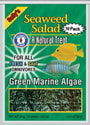
Bread: Again, mostly empty nutrition to fish (maybe not for humans, but as noted earlier fish get their energy primarily from fats). Also bread again will attract unwanted bacteria.
Homemade Fish Food
You can make your own supplement for general fish feeding that is high in DL-methionine; Start with whole salmon which is an excellent source of carotene for color (frozen or even canned works), frozen peas, hardboiled egg, frozen or FD brine shrimp, duck weed or spirulina powder, and fish oil (cod liver oil works fine). Blend this mixture then add corn starch to the paste to dehydrate. Spread this paste on small strips of foil (or even wax paper if your dehydrator does not get too hot). Make sure you leave room for air circulation.
• For a frozen food, substitute the corn starch with unflavored gelatin powder.
• For cichlids, goldfish and koi, add wheat germ powder.
• For more carnivorous fish increase the whole fish and decrease the spirulina powder or duckweed. Calamari (squid) can be added too for carnivorous fish, but make sure that all the ink is removed from whole squid.
• For better attraction (smell) as well as a parasite repellent (Ich), you can add garlic powder to each batch of frozen or dried fish food at a rate of less than 1% of the prepared batch, this comes to about ½ teaspoon (or less) per one cup batch of wet fish food (before drying/freezing).
• For spirulina powder, Spirulina 20 Flake can be substituted, but since this already a complete diet for many fish, I double the amount of this and decrease other ingredients by comparable amounts.
Here are basic percentages, please note that you can change these percentages to suit your fish food requirements:
• For a frozen food, substitute the corn starch with unflavored gelatin powder.
• For cichlids, goldfish and koi, add wheat germ powder.
• For more carnivorous fish increase the whole fish and decrease the spirulina powder or duckweed. Calamari (squid) can be added too for carnivorous fish, but make sure that all the ink is removed from whole squid.
• For better attraction (smell) as well as a parasite repellent (Ich), you can add garlic powder to each batch of frozen or dried fish food at a rate of less than 1% of the prepared batch, this comes to about ½ teaspoon (or less) per one cup batch of wet fish food (before drying/freezing).
• For spirulina powder, Spirulina 20 Flake can be substituted, but since this already a complete diet for many fish, I double the amount of this and decrease other ingredients by comparable amounts.
Here are basic percentages, please note that you can change these percentages to suit your fish food requirements:
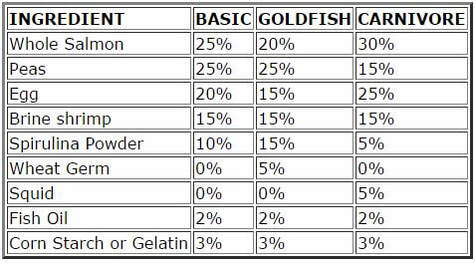
Some suggest the use of Agar as a binder in place of Gelatin, however I do not recommend this based on evidence, while not fully proven, that Agar allows Saprolegnia to gain a foothold in an aquarium and that Agar can allow Heterotrophic bacteria to crowd out the needed Autotrophic bacteria for a healthy aquarium nitrogen cycle.
Frozen, Live (Feeders, Worms, etc.) or FD food
As stated earlier, this article has been primarily about prepared foods; however, this is not to say that this is all you should feed, far from it. Many fish benefit from live, frozen or freeze-dried supplements such as Brine Shrimp, Blood worms, Daphnia, Microworms, Whiteworms, Walter Worms and more. Make sure that you make sure that live foods come from an uncontaminated source and some foods such as Tubiflex Worms are raised in polluted waters which make them a poor choice. As I will discuss shortly, gut loading is very helpful in feeding live food such as feeders, crickets, or blackworms.
Generally live foods are preferable to Freeze Dried foods however both can be soaked in a multi vitamin, mineral and spirulina flake “slurry” for about 30-60 minutes prior to feeding. This will improve the nutritional value these foods (often making them more palatable as well).
Hikari has an excellent FD Brine Shrimp that contains quality Brine Shrimp immediately prior to the flash Freeze Drying process; this is an excellent product for weak, sick, or finicky fish such as Bettas that will not touch pellets or other foods that might otherwise contain immune boosting Spirulina.
Product Resources:
• Hikari Immune Boosting Spirulina Enhanced FD Brine Shrimp
• Wonder Shells; Aquarium Mineral Block for use in soaking fish foods
• Premium Spirulina Fish Food Flake
Ocean Nutrition and other brands of frozen foods often have excellent formulas that provide additional nutritional additives to their frozen foods (such as Omega 3 and Spirulina enhanced Brine Shrimp).
Generally live foods are preferable to Freeze Dried foods however both can be soaked in a multi vitamin, mineral and spirulina flake “slurry” for about 30-60 minutes prior to feeding. This will improve the nutritional value these foods (often making them more palatable as well).
Hikari has an excellent FD Brine Shrimp that contains quality Brine Shrimp immediately prior to the flash Freeze Drying process; this is an excellent product for weak, sick, or finicky fish such as Bettas that will not touch pellets or other foods that might otherwise contain immune boosting Spirulina.
Product Resources:
• Hikari Immune Boosting Spirulina Enhanced FD Brine Shrimp
• Wonder Shells; Aquarium Mineral Block for use in soaking fish foods
• Premium Spirulina Fish Food Flake
Ocean Nutrition and other brands of frozen foods often have excellent formulas that provide additional nutritional additives to their frozen foods (such as Omega 3 and Spirulina enhanced Brine Shrimp).
Gut loading live food
Gut Loading/Quarantine: If feeder goldfish are used (& they never should be the primary source of nutrition even if gut loaded), I strongly recommend not bringing them home from your LFS and dumping them in your aquarium. Rather I recommend a 30-minute Methylene Blue bath followed by a day in a quarantine tank (so as to prevent disease which feeder goldfish are notorious for) where they are then “gut loaded” with a Spirulina Algae or vegetable-based food such Spirulina 20 Flake.
In the wild most carnivorous fish get these types of nutrients form the “guts” of their prey, but unfortunately most feeder fish have empty digestive systems to keep pollution low in holding tanks and transport. This is an IMPORTANT aspect of feeding live foods such as feeders that many aquarists miss and should not be ignored for long term health of your carnivorous freshwater or saltwater fish.
This also can be applied to ANY live food fed to any fish, whether it be worms for community tanks, silversides, fat head minnows, or crickets (an excellent food for Arowanas). In fact, just about any other live food is preferable to feeder Goldfish/Fathead Minnows, as besides the before mentioned disease issues goldfish feeders contain the enzyme thiaminase which breaks down thiamine. Thiamine is an important vitamin and if you use feeders as a large portion of your fish’s diet it will develop a thiamine deficiency which can lead to HITH in certain fish such as Oscars, Red Devils, and similar fish.
Reference:
• Hole in the Head (HITH) Disease
Worms & Brine Shrimp: For young fry such as Bettas, Walter Worms, newly hatched brine shrimp, vinegar eels or Micro Worms are an excellent choice (Micro Worms tend to drop to the bottom and Vinegar Eels may be a good alternative).
Reference:
• Worms used as Fish Food; Aquarium Answers
Here is a little about Micro Worms:
• Micro Worms are nematodes (Panagrellus).
• Microworms are one of the easiest live foods to culture.
• Micro Worms are small .5 -1.5 mm and difficult to see individually. They are white, un-segmented worms that move continuously. The tail end is pointed while the mouth end is generally more rounded. They are approximately 15 times as long as they are wide. Due to their size and shape, they can be fed to fish that are too small to take a brine shrimp nauplii.
• Microworms can remain alive in fresh water for twelve hours or more.
• Microworms reproduce sexually. The males have a curved tail, are smaller, slender, and lower in number than the females.
• Micro Worms are live bearing, producing 10 to 40 young every 1 to 1.5 days for an average 20-to-25-day life span. This results in each female producing approximately 300 offspring. The young reach sexual maturity in approximately three days.
• Their size increases by three times during the first day and five to six times during the next three days. The Micro worm nematodes are 76% water and 24% dry matter; 40% of the dry matter is protein and 20% is fat.
How to make your own Microworms: A simple mix is one cup of quick oats, baby cereal, Cream of Wheat or similar (with maybe a tiny pinch of dry yeast) to one and a quarter cup of warm water. Mix thoroughly and pour into a suitable container. Yogurt containers or similar types of containers work well for culturing Micro Worms. Allow cooling, and then seed the mix with worms, putting the lid on (with small holes for ventilation) and leaving in a cool place. The temperature should be between 65 to 75 degrees. Within a few days you will have Microworms to harvest.
For MORE information about worms for feeding as well as many more resources (including links from which to purchase), please see this Aquarium Answers Article (near the bottom):
• Trematodes, Nematodes, Annelids, & Feeding Worms
In the wild most carnivorous fish get these types of nutrients form the “guts” of their prey, but unfortunately most feeder fish have empty digestive systems to keep pollution low in holding tanks and transport. This is an IMPORTANT aspect of feeding live foods such as feeders that many aquarists miss and should not be ignored for long term health of your carnivorous freshwater or saltwater fish.
This also can be applied to ANY live food fed to any fish, whether it be worms for community tanks, silversides, fat head minnows, or crickets (an excellent food for Arowanas). In fact, just about any other live food is preferable to feeder Goldfish/Fathead Minnows, as besides the before mentioned disease issues goldfish feeders contain the enzyme thiaminase which breaks down thiamine. Thiamine is an important vitamin and if you use feeders as a large portion of your fish’s diet it will develop a thiamine deficiency which can lead to HITH in certain fish such as Oscars, Red Devils, and similar fish.
Reference:
• Hole in the Head (HITH) Disease
Worms & Brine Shrimp: For young fry such as Bettas, Walter Worms, newly hatched brine shrimp, vinegar eels or Micro Worms are an excellent choice (Micro Worms tend to drop to the bottom and Vinegar Eels may be a good alternative).
Reference:
• Worms used as Fish Food; Aquarium Answers
Here is a little about Micro Worms:
• Micro Worms are nematodes (Panagrellus).
• Microworms are one of the easiest live foods to culture.
• Micro Worms are small .5 -1.5 mm and difficult to see individually. They are white, un-segmented worms that move continuously. The tail end is pointed while the mouth end is generally more rounded. They are approximately 15 times as long as they are wide. Due to their size and shape, they can be fed to fish that are too small to take a brine shrimp nauplii.
• Microworms can remain alive in fresh water for twelve hours or more.
• Microworms reproduce sexually. The males have a curved tail, are smaller, slender, and lower in number than the females.
• Micro Worms are live bearing, producing 10 to 40 young every 1 to 1.5 days for an average 20-to-25-day life span. This results in each female producing approximately 300 offspring. The young reach sexual maturity in approximately three days.
• Their size increases by three times during the first day and five to six times during the next three days. The Micro worm nematodes are 76% water and 24% dry matter; 40% of the dry matter is protein and 20% is fat.
How to make your own Microworms: A simple mix is one cup of quick oats, baby cereal, Cream of Wheat or similar (with maybe a tiny pinch of dry yeast) to one and a quarter cup of warm water. Mix thoroughly and pour into a suitable container. Yogurt containers or similar types of containers work well for culturing Micro Worms. Allow cooling, and then seed the mix with worms, putting the lid on (with small holes for ventilation) and leaving in a cool place. The temperature should be between 65 to 75 degrees. Within a few days you will have Microworms to harvest.
For MORE information about worms for feeding as well as many more resources (including links from which to purchase), please see this Aquarium Answers Article (near the bottom):
• Trematodes, Nematodes, Annelids, & Feeding Worms
How and When to feed fish
Only one fish food should not be relied on as your fish’ sole nutritional source. For a community freshwater or saltwater aquarium start with a good basic flake or crumble such as AAP "Clay Neighbors" Custom/Paradigm Crumbles, AAP Spirulina 20 Flake, Kahoja (premium professional Asian brand popular in Taiwan), Aqueon Fish Foods, or many other quality fish foods available (it is also a good idea to switch different flake foods day to day, especially foods such as Spirulina which will also improve your fish immune system).
Be wary of the many low quality fish foods available as well (some promoted by discounters as premium but are not based on analysis. Do not feed two different fish foods at the same time as fish will pick and choose and this will defeat the purpose of varying the diet of your fish. It is helpful to soak dry foods for about 5 minutes to prevent ingestion of air that can cause digestive problems, especially with goldfish and Bettas (more so with pellet foods).
Balance these flake foods with fresh, frozen, or freeze-dried foods such as FD Bloodworms or Brine Shrimp. I especially recommend the many prepared frozen fish foods now available by companies such as Ocean Nutrition for marine fish, many of these foods address the specific needs of certain fish species.
Live foods such as blackworms, daphnia, and brine shrimp also make a good addition to your fish’ diet.
Make sure and soak live brine shrimp for 5 minutes in freshwater prior to feeding these to marine fish to prevent disease transfer.
For larger fish such as Cichlids, the same regime works, however you want to consider a pelleted fish food as well such as Hikari, Aqueon, or similar pellets. Be careful with the feeding of worms in many African Cichlids as I have observed constipation when these are fed regularly to these particular Cichlids.
With goldfish: Pelleted fish foods such as Hikari or Kahoja Diets and a spirulina based flake food such as AAP Spirulina 20 Flake are a good start supplemented with frozen or FD Brine Shrimp (for constipation).
Hulled peas can also make a good addition for goldfish too. It is very important with goldfish to soak dry foods for 5 minutes in water to prevent air ingestion.
Further Product Resources:
• AAP Custom/Paradigm, High Quality Fish Food Crumbles
• Kahoja Premium Goldfish Fish Food Pellets
• Ocean Nutrition, Frozen Formula Prepared Fish Foods
Please see this article for more:
• Proper Goldfish Feeding
Most fish generally do well being fed twice per day (sometimes three times) in aquariums (or ponds) over 70 degrees Fahrenheit. In ponds when temperatures fall this feeding schedule will need to be cut back.
Please see this article for more:
• Pond Information; Feeding
Many predators only need to be fed every other day or even less (such as saltwater lionfish or Arowanas in freshwater which due best with live or FD crickets IMO).
Be wary of the many low quality fish foods available as well (some promoted by discounters as premium but are not based on analysis. Do not feed two different fish foods at the same time as fish will pick and choose and this will defeat the purpose of varying the diet of your fish. It is helpful to soak dry foods for about 5 minutes to prevent ingestion of air that can cause digestive problems, especially with goldfish and Bettas (more so with pellet foods).
Balance these flake foods with fresh, frozen, or freeze-dried foods such as FD Bloodworms or Brine Shrimp. I especially recommend the many prepared frozen fish foods now available by companies such as Ocean Nutrition for marine fish, many of these foods address the specific needs of certain fish species.
Live foods such as blackworms, daphnia, and brine shrimp also make a good addition to your fish’ diet.
Make sure and soak live brine shrimp for 5 minutes in freshwater prior to feeding these to marine fish to prevent disease transfer.
For larger fish such as Cichlids, the same regime works, however you want to consider a pelleted fish food as well such as Hikari, Aqueon, or similar pellets. Be careful with the feeding of worms in many African Cichlids as I have observed constipation when these are fed regularly to these particular Cichlids.
With goldfish: Pelleted fish foods such as Hikari or Kahoja Diets and a spirulina based flake food such as AAP Spirulina 20 Flake are a good start supplemented with frozen or FD Brine Shrimp (for constipation).
Hulled peas can also make a good addition for goldfish too. It is very important with goldfish to soak dry foods for 5 minutes in water to prevent air ingestion.
Further Product Resources:
• AAP Custom/Paradigm, High Quality Fish Food Crumbles
• Kahoja Premium Goldfish Fish Food Pellets
• Ocean Nutrition, Frozen Formula Prepared Fish Foods
Please see this article for more:
• Proper Goldfish Feeding
Most fish generally do well being fed twice per day (sometimes three times) in aquariums (or ponds) over 70 degrees Fahrenheit. In ponds when temperatures fall this feeding schedule will need to be cut back.
Please see this article for more:
• Pond Information; Feeding
Many predators only need to be fed every other day or even less (such as saltwater lionfish or Arowanas in freshwater which due best with live or FD crickets IMO).
Fish Indigestion
For problems with intestinal distress in fish (very common with goldfish, however Bettas and many other fish can suffer too), you fist want to avoid this by feeding foods with the best ingredients (as noted earlier in this article) and keeping your fish in water with the Proper Electrolyte levels. It is also important to soak dry fish foods (especially pelleted foods) for 5 minutes to prevent ingestion of air that is trapped within dry fish foods, this air can lead to indigestion or even severe problems such as Aeromonas Bacteria infections.
However, these problems may still occur. I have found that about a ¼ teaspoon of Epsom salts per gallon of ‘bath’ water for 30 minutes along with increased salt (sodium chloride) in the aquarium, about 1 tablespoon per 5 gallons or even double this for fish that can handle this (do not double for catfish, loaches or similar).
Shelled frozen thawed Peas are recommended for strengthening digestion, reducing water retention and helping to promote elimination. And finally, Spirulina Algae as well as Brine Shrimp are also effective for easing digestion and preventing these problems from the start.
Important References:
• Aquarium Chemistry; Electrolytes & Aquarium Chemistry; Depletion of Positive Ions
• Information about Aeromonas, Furunculosis
• Spirulina Algae as a Fish Food
However, these problems may still occur. I have found that about a ¼ teaspoon of Epsom salts per gallon of ‘bath’ water for 30 minutes along with increased salt (sodium chloride) in the aquarium, about 1 tablespoon per 5 gallons or even double this for fish that can handle this (do not double for catfish, loaches or similar).
Shelled frozen thawed Peas are recommended for strengthening digestion, reducing water retention and helping to promote elimination. And finally, Spirulina Algae as well as Brine Shrimp are also effective for easing digestion and preventing these problems from the start.
Important References:
• Aquarium Chemistry; Electrolytes & Aquarium Chemistry; Depletion of Positive Ions
• Information about Aeromonas, Furunculosis
• Spirulina Algae as a Fish Food
Poor Appetite, Malnutrition
Often new fish will not eat (more common with carnivores in my experience, especially those that are being adapted to a prepared diet such as Bettas). Sometimes after or during treatment fish will not eat, as well sometimes fish will be suffering in malnutrition from a poor diet (often prior to the well-meaning aquarist who takes care of their fish obtaining their new aquatic pet), or this malnutrition can be the result of intestinal parasites or other internal parasites.
With some carnivores, the answer may be as simple as “gut loading” their food as discussed earlier (even live worms can be fed Spirulina or similar prior to feeding), however often the answer to the problem is not as simple.
In these cases, preparing a fish food soaking slurry (or thick soup) is the answer. I will generally soak brine shrimp, worms, occasionally pellets or similar foods in this slurry prior to feeding or even force feed a very weak fish this slurry by itself using an eye dropper. Let me state that this force feeding is effective less than 50% of the time for me, but still, when the other option is death, these odds are not too bad.
This slurry is NOT an exact science, but it has been effective for me, and as well for internal diseases or parasites (such as the often-common intestinal flagellates found in many wild caught fish such as Clown Loaches, wild Discus, etc.). Medications can also be added to this mix. The medications I primarily used to add to this slurry are Neomycin (generally for bacterial problems) or Metronidazole (for intestinal parasites as well as some bacteria). Usnea has possibilities here as well, although I have not tested it much, so it is more of an idea rather than something I have actually used effectively.
Further Reference:
• Aquarium Answers, Usnea as a fish remedy
When I use medications in the slurry, I generally add medications at a 10-gallon tank strength per batch (please note that I do not use medications in all food slurries).
For this Slurry, I prefer to use (1) tablespoon Spirulina Flakes, a human multi-vitamin (capsules that contain a liquid work best, however any can be ground up, as well make sure there are NO added sugars, colors, flavors, etc., only pure multi-vitamins), minerals (scrapings from Wonder Shells are what I have used since they are balanced), and Omega 3 fatty acids from a human capsule that is poured into this slurry. The Omega 3, which was discussed earlier in this article as to its importance, is a key ingredient to this mix and this must be from fish sources, which most sold over the counter are (you can tell by the “fishy smell when the capsule is opened). This is important for two reasons; it is an important nutrient for fish, especially weak, sick and malnourished fish and as well often is an appetite stimulant do to its strong order!
Generally for one tablespoon of Slurry I will use half of the average Omega 3 capsule (about the same for the multi vitamin along with just a few scrapes of a Wonder Shells or similar). I mix this to the consistency of a VERY thick soup and then soak the Brine Shrimp, pellets, etc. for about ½ hour in this.
For force feedings I make this almost a paste consistency then no soaking of food is performed, just a direct feeding of this mix.
Product Resources:
• SeaChem Metronidazole
• SeaChem Neoplex (Neomycin)
• Wonder Shell; Aquarium Mineral Block
With some carnivores, the answer may be as simple as “gut loading” their food as discussed earlier (even live worms can be fed Spirulina or similar prior to feeding), however often the answer to the problem is not as simple.
In these cases, preparing a fish food soaking slurry (or thick soup) is the answer. I will generally soak brine shrimp, worms, occasionally pellets or similar foods in this slurry prior to feeding or even force feed a very weak fish this slurry by itself using an eye dropper. Let me state that this force feeding is effective less than 50% of the time for me, but still, when the other option is death, these odds are not too bad.
This slurry is NOT an exact science, but it has been effective for me, and as well for internal diseases or parasites (such as the often-common intestinal flagellates found in many wild caught fish such as Clown Loaches, wild Discus, etc.). Medications can also be added to this mix. The medications I primarily used to add to this slurry are Neomycin (generally for bacterial problems) or Metronidazole (for intestinal parasites as well as some bacteria). Usnea has possibilities here as well, although I have not tested it much, so it is more of an idea rather than something I have actually used effectively.
Further Reference:
• Aquarium Answers, Usnea as a fish remedy
When I use medications in the slurry, I generally add medications at a 10-gallon tank strength per batch (please note that I do not use medications in all food slurries).
For this Slurry, I prefer to use (1) tablespoon Spirulina Flakes, a human multi-vitamin (capsules that contain a liquid work best, however any can be ground up, as well make sure there are NO added sugars, colors, flavors, etc., only pure multi-vitamins), minerals (scrapings from Wonder Shells are what I have used since they are balanced), and Omega 3 fatty acids from a human capsule that is poured into this slurry. The Omega 3, which was discussed earlier in this article as to its importance, is a key ingredient to this mix and this must be from fish sources, which most sold over the counter are (you can tell by the “fishy smell when the capsule is opened). This is important for two reasons; it is an important nutrient for fish, especially weak, sick and malnourished fish and as well often is an appetite stimulant do to its strong order!
Generally for one tablespoon of Slurry I will use half of the average Omega 3 capsule (about the same for the multi vitamin along with just a few scrapes of a Wonder Shells or similar). I mix this to the consistency of a VERY thick soup and then soak the Brine Shrimp, pellets, etc. for about ½ hour in this.
For force feedings I make this almost a paste consistency then no soaking of food is performed, just a direct feeding of this mix.
Product Resources:
• SeaChem Metronidazole
• SeaChem Neoplex (Neomycin)
• Wonder Shell; Aquarium Mineral Block
Probiotics after use of antibiotic
First, I will explain what a probiotic is: "A dietary supplement containing live bacteria or yeast that supplements normal gastrointestinal flora, given especially after depletion of flora caused by infection or ingestion of an antibiotic drug."
Reference:
• Medical Dictionary; Probiotics
The use of probiotics whether homemade or commercial is best performed immediately after use of antibiotics on your fish either or both "in tank" or in baths. This not to say the use of probiotics after treatments is a must, rather it is an aid to further recovery, especially for older/weaker fish. Better yet, as per the fiber section of this article, is to simply make sure you are feeding a fish diet high in fiber, as this has been proven to be more effective way to deliver gut bacteria for fish. It is noteworthy that most fish foods are unfortunately quite deficient here (even popular so-called high-end brands).
There are many commercially available probiotics for fish, however the shelf life is often questionable.
Some complete fish food diets also now add probiotics in an encapsulated dried form such as Aqua Master Premium Fish Foods
However, making your own probiotic is not difficult at all: Simply using a plain yogurt with no sugar or other additives can work. With this yogurt simply take 2-4 feedings worth of dry fish food and add just enough yogurt to moisten. Let this sit for about 15 minutes then use part of this fish food and refrigerate the rest. Continue this for about 3-5 days (watch for any additional pollution during this time too by monitoring parameters, ammonia/nitrites in particular)
This can also be used to feed feeder fish, worms, or any live food fed to carnivores immediately prior to the feeding of these live foods to their intended carnivore fish.
Reference:
• Medical Dictionary; Probiotics
The use of probiotics whether homemade or commercial is best performed immediately after use of antibiotics on your fish either or both "in tank" or in baths. This not to say the use of probiotics after treatments is a must, rather it is an aid to further recovery, especially for older/weaker fish. Better yet, as per the fiber section of this article, is to simply make sure you are feeding a fish diet high in fiber, as this has been proven to be more effective way to deliver gut bacteria for fish. It is noteworthy that most fish foods are unfortunately quite deficient here (even popular so-called high-end brands).
There are many commercially available probiotics for fish, however the shelf life is often questionable.
Some complete fish food diets also now add probiotics in an encapsulated dried form such as Aqua Master Premium Fish Foods
However, making your own probiotic is not difficult at all: Simply using a plain yogurt with no sugar or other additives can work. With this yogurt simply take 2-4 feedings worth of dry fish food and add just enough yogurt to moisten. Let this sit for about 15 minutes then use part of this fish food and refrigerate the rest. Continue this for about 3-5 days (watch for any additional pollution during this time too by monitoring parameters, ammonia/nitrites in particular)
This can also be used to feed feeder fish, worms, or any live food fed to carnivores immediately prior to the feeding of these live foods to their intended carnivore fish.
Best Used By Dates
This is sometimes controversial, but ONLY due to miss-informed persons who do not realize that Fish Foods are NOT required to place such dates on their fish foods and/or do not understand what this means or what even the laws are about this mythical date.
Since one of my specialties has been fish food testing going back to 1978, I have used and tested fish foods that are more than 2 years past a "best used by date", and in these controlled tests, found NO discernible difference!!! This said, the reason some manufactures add this is only to tell customers that the food in cannot be guaranteed of 100% freshness, NOT that the food is now going to go bad suddenly after this date.
What is also noteworthy that because of newer methods of packaging, many fish food companies are no longer even placing this date of guaranteed freshness on their foods.
Further Reference:
• The Big Myth, Food Expiration Dates
Since one of my specialties has been fish food testing going back to 1978, I have used and tested fish foods that are more than 2 years past a "best used by date", and in these controlled tests, found NO discernible difference!!! This said, the reason some manufactures add this is only to tell customers that the food in cannot be guaranteed of 100% freshness, NOT that the food is now going to go bad suddenly after this date.
What is also noteworthy that because of newer methods of packaging, many fish food companies are no longer even placing this date of guaranteed freshness on their foods.
Further Reference:
• The Big Myth, Food Expiration Dates
Summary
Hopefully the reader has gained some very helpful insights into what truly constitutes an optimum fish food. As I noted in the beginning, my fish food trials starting at the Bahooka Restaurant in the 1970s in their 110+ aquariums under contract with my earliest tests which went on for over a decade. I did not let these tests go to my head, in part I could not always explain the results, so I continued in research over the decades.
Then, when introduced to fish food Guru Clay Neighbors who taught me about energy levels and a university study backing this up, this was a real "light bulb" moment for me as it put together missing pieces of the puzzle as to why I had some VERY DIFFERENT results as per fish health & longevity with certain foods when the ingredients checked out as otherwise "premium". The difference turned out to be in the analysis (as noted earlier in this article) and the results of these often vastly higher than optimum energy levels by even many premium fish food brands now is explained in oxidative stress and other issues that running too much energy through a fish will do thus the results I observed over the years. Put simply: Energy levels along with fiber content are so very key to a truly quality fish food, but often not discussed the way quality ingredients are (which obviously are important too)!!!
Beware of claims by some fish food (such as New Life Spectrum) which use aquaculture as the basis of their formulas. Aquaculture seeks to bring stock to market quickly, they do NOT raise their fish for longevity!!! This would be analogous to how cattle are often raised in ways to build weight and get the beef to market as quickly as possible, but this does not make for either healthy cattle or healthy beef.
So, the bottom line is do not be fooled by this reasoning which includes bragging that fish food XX grows fish quicker and more colorful as this rarely translates to long term health/longevity!
Back to the content of this article: Please understand that this information is intended primarily for prepared foods however it can also be applied to live, FD, or frozen foods as well. You can improve live foods by “gut loading” them such as by feeding Spirulina 20 Flake to your feeder fish or to black worms 30 minutes prior to feeding your fish (I have seen good color improvement in black worms fed to Bettas this way). This is actually quite natural for carnivores in particular as in the wild a worm or food fish rarely has an empty belly.
Then, when introduced to fish food Guru Clay Neighbors who taught me about energy levels and a university study backing this up, this was a real "light bulb" moment for me as it put together missing pieces of the puzzle as to why I had some VERY DIFFERENT results as per fish health & longevity with certain foods when the ingredients checked out as otherwise "premium". The difference turned out to be in the analysis (as noted earlier in this article) and the results of these often vastly higher than optimum energy levels by even many premium fish food brands now is explained in oxidative stress and other issues that running too much energy through a fish will do thus the results I observed over the years. Put simply: Energy levels along with fiber content are so very key to a truly quality fish food, but often not discussed the way quality ingredients are (which obviously are important too)!!!
Beware of claims by some fish food (such as New Life Spectrum) which use aquaculture as the basis of their formulas. Aquaculture seeks to bring stock to market quickly, they do NOT raise their fish for longevity!!! This would be analogous to how cattle are often raised in ways to build weight and get the beef to market as quickly as possible, but this does not make for either healthy cattle or healthy beef.
So, the bottom line is do not be fooled by this reasoning which includes bragging that fish food XX grows fish quicker and more colorful as this rarely translates to long term health/longevity!
Back to the content of this article: Please understand that this information is intended primarily for prepared foods however it can also be applied to live, FD, or frozen foods as well. You can improve live foods by “gut loading” them such as by feeding Spirulina 20 Flake to your feeder fish or to black worms 30 minutes prior to feeding your fish (I have seen good color improvement in black worms fed to Bettas this way). This is actually quite natural for carnivores in particular as in the wild a worm or food fish rarely has an empty belly.
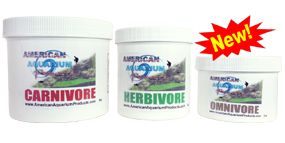
Keep in mind certain specifics about the fish you keep. Examples include that for head growth in Flower Horn Cichlids, Orandas, Red Devils, make sure your fish’ diet includes some of these ingredients: whole fish meal, wheat germ, and squid or shrimp. While Goldfish such as Orandas, are more herbivorous and raw proteins should be lower.
Learn to read a fish food label, as most fish food labels leave off the full picture, thus leaving the fish keeper guessing. A good example is sugar and carbohydrates. While AAP Custom/Paradigm display the complete analysis, most all other brands analysis does not add up to 100%!!! For example, NLS Freshwater Community Formula has Crude Protein 37.0%, Crude Fat 5.0%, Crude Fiber 4.0%, Moisture 10.0%, & Ash 8.0%. THIS ONLY ADDS UP TO 64%!!!
While these are often minimums, most of this empty space is occupied by Carbohydrates and sugars (make sure you read the section on Carbs as it pertains to fish!). This means likely close to 36% carbs and when you use the formula provided in the Limiting of Fish Food Energy Levels section of the article, you get 337 energy points!
While there are many fish foods far higher over the optimum 280 energy points for maintenance than this example, this still makes the point that despite some excellent ingredients and a still good/acceptable energy level, this is clearly NOT an optimum fish food based on energy optimization and even more so fiber content.
I should however point out that there may be a time for slightly higher energy levels (not the crazy high energy levels of so many such as NLS) for juveniles or even adult fish that need to repair tissue. This is why despite my obvious promoting of Clay Neighbor's formula, my research and long-term experience has taught me that it is best to vary your fish' diet with 2, 3, or even 4 fish foods (possibly including frozen/live/FD such as Brine Shrimp). A good example of my previous point is for say an Oranda Goldfish to feed Clay Neighbors Herbivore as the primary diet, but also include Hikari Baby Gold Formula, Spirulina 20, & occasionally FD Brine Shrimp WITH Spirulina.
Finally, be careful of fish foods that are often sold by discounters that make a generic formula and markets them to all types of fish with slight variations (if at all in some cases). This is unfortunately a common practice. While this does not mean these foods are poor quality (read the ingredients list will say more here), this does speak to the fact you are likely dealing with a company that places costs over quality, which of course if sold at discounters such as Amazon, Dr. F & S, this is important.
In the end, the information given in this article should also help you to make a better choice when purchasing prepared fish food (especially when feeding young fish!), such as the examples below.
Here is an example of ingredients for three Betta Foods:
• Tetra BettaMin: Fish Meal, Ground Brown Rice, Dried Yeast, Shrimp Meal, Wheat Gluten, Brine Shrimps (FD), Potato Protein, Dehulled Soybean Meal, Fish Oil, Soybean Oil, Sorbitol, Algae Meal, Lecithin, L-Ascorbyl-2-Polyphosphate (Stabilized Vitamin C). Coloring Agents: Red No. 3 Dye (E127). Ethoxyquin as a Preservative.
• Wardleys Premium Betta: Fish meal, whole grain wheat, shrimp meal, soybean flour, brewers dried yeast, wheat germ meal, wheat gluten, fish protein concentrate, fish oil, l-ascorbyl-2-polyphosphate, crayfish extract in soybean oil, iron oxide, vitamin premix containing (wheat middlings, vitamin A supplement, vitamin D3 supplement, vitamin E supplement, B12 supplement, riboflavin supplement, niacin supplement, calcium pantothenate, menadione sodium bisulfite complex, folic acid, pyridoxine HCI, thiamine mononitrate, d-biotin), choline chloride, marigold petal extract, canthaxanthin, ethoxyquin (as a preservative).
• Sanyu Betta Pellets: White fish meal, shrimp meal, soybean meal, wheat flour, rice bran, wheat germ, yeast, vitamins A, B C, E and other minerals.
Hikari Betta Bio-Gold: The leader in quality Betta Pellets, originally was very similar to Sanyu Betta pellets, however it has been re-formulated/improved even more: Premium Fish meal, wheat flour, Soybean Meal, Rice Bran, gluten meal, Starch, Krill Meal, Wheat Germ Meal, brewers dried yeast, DHA Oil, spirulina, dried seaweeds meal, DL-methionine, Garlic, astaxanthin, grape seed extract, choline chloride, Vitamin E supplement, L-ascobyl-2-polyphosphate (stabilized vitamin C), inositol, calcium pantothenate, Riboflavin, vitamin A oil, thiamine mononitrate, pyridoxine hydrochloride, niacin, menadione sodium bisulfite complex (source of vitamin K), folic acid, vitamin D3 supplement, biotin, disodium phosphate, ferrous sulfate, magnesium sulfate, cobalt sulfate, calcium iodate, red 3 (artificial color).
Product Resource:
• Hikari Betta Bio Gold
Compare the above ingredients, the differences are striking! Tetra starts with low quality fish meal (vs. high quality Whole/White fish meal), then has cereals as the next two highest ingredients. Cereals are needed as a filler; however, the cereals should not be this high in the ingredients for a carnivore such as Bettas.
Compare TetraMin to some of the facts I have explained, then compare foods to more premium diets including the important analysis too.
The differences are quite clear for long term growth and health.
Learn to read a fish food label, as most fish food labels leave off the full picture, thus leaving the fish keeper guessing. A good example is sugar and carbohydrates. While AAP Custom/Paradigm display the complete analysis, most all other brands analysis does not add up to 100%!!! For example, NLS Freshwater Community Formula has Crude Protein 37.0%, Crude Fat 5.0%, Crude Fiber 4.0%, Moisture 10.0%, & Ash 8.0%. THIS ONLY ADDS UP TO 64%!!!
While these are often minimums, most of this empty space is occupied by Carbohydrates and sugars (make sure you read the section on Carbs as it pertains to fish!). This means likely close to 36% carbs and when you use the formula provided in the Limiting of Fish Food Energy Levels section of the article, you get 337 energy points!
While there are many fish foods far higher over the optimum 280 energy points for maintenance than this example, this still makes the point that despite some excellent ingredients and a still good/acceptable energy level, this is clearly NOT an optimum fish food based on energy optimization and even more so fiber content.
I should however point out that there may be a time for slightly higher energy levels (not the crazy high energy levels of so many such as NLS) for juveniles or even adult fish that need to repair tissue. This is why despite my obvious promoting of Clay Neighbor's formula, my research and long-term experience has taught me that it is best to vary your fish' diet with 2, 3, or even 4 fish foods (possibly including frozen/live/FD such as Brine Shrimp). A good example of my previous point is for say an Oranda Goldfish to feed Clay Neighbors Herbivore as the primary diet, but also include Hikari Baby Gold Formula, Spirulina 20, & occasionally FD Brine Shrimp WITH Spirulina.
Finally, be careful of fish foods that are often sold by discounters that make a generic formula and markets them to all types of fish with slight variations (if at all in some cases). This is unfortunately a common practice. While this does not mean these foods are poor quality (read the ingredients list will say more here), this does speak to the fact you are likely dealing with a company that places costs over quality, which of course if sold at discounters such as Amazon, Dr. F & S, this is important.
In the end, the information given in this article should also help you to make a better choice when purchasing prepared fish food (especially when feeding young fish!), such as the examples below.
Here is an example of ingredients for three Betta Foods:
• Tetra BettaMin: Fish Meal, Ground Brown Rice, Dried Yeast, Shrimp Meal, Wheat Gluten, Brine Shrimps (FD), Potato Protein, Dehulled Soybean Meal, Fish Oil, Soybean Oil, Sorbitol, Algae Meal, Lecithin, L-Ascorbyl-2-Polyphosphate (Stabilized Vitamin C). Coloring Agents: Red No. 3 Dye (E127). Ethoxyquin as a Preservative.
• Wardleys Premium Betta: Fish meal, whole grain wheat, shrimp meal, soybean flour, brewers dried yeast, wheat germ meal, wheat gluten, fish protein concentrate, fish oil, l-ascorbyl-2-polyphosphate, crayfish extract in soybean oil, iron oxide, vitamin premix containing (wheat middlings, vitamin A supplement, vitamin D3 supplement, vitamin E supplement, B12 supplement, riboflavin supplement, niacin supplement, calcium pantothenate, menadione sodium bisulfite complex, folic acid, pyridoxine HCI, thiamine mononitrate, d-biotin), choline chloride, marigold petal extract, canthaxanthin, ethoxyquin (as a preservative).
• Sanyu Betta Pellets: White fish meal, shrimp meal, soybean meal, wheat flour, rice bran, wheat germ, yeast, vitamins A, B C, E and other minerals.
Hikari Betta Bio-Gold: The leader in quality Betta Pellets, originally was very similar to Sanyu Betta pellets, however it has been re-formulated/improved even more: Premium Fish meal, wheat flour, Soybean Meal, Rice Bran, gluten meal, Starch, Krill Meal, Wheat Germ Meal, brewers dried yeast, DHA Oil, spirulina, dried seaweeds meal, DL-methionine, Garlic, astaxanthin, grape seed extract, choline chloride, Vitamin E supplement, L-ascobyl-2-polyphosphate (stabilized vitamin C), inositol, calcium pantothenate, Riboflavin, vitamin A oil, thiamine mononitrate, pyridoxine hydrochloride, niacin, menadione sodium bisulfite complex (source of vitamin K), folic acid, vitamin D3 supplement, biotin, disodium phosphate, ferrous sulfate, magnesium sulfate, cobalt sulfate, calcium iodate, red 3 (artificial color).
Product Resource:
• Hikari Betta Bio Gold
Compare the above ingredients, the differences are striking! Tetra starts with low quality fish meal (vs. high quality Whole/White fish meal), then has cereals as the next two highest ingredients. Cereals are needed as a filler; however, the cereals should not be this high in the ingredients for a carnivore such as Bettas.
Compare TetraMin to some of the facts I have explained, then compare foods to more premium diets including the important analysis too.
The differences are quite clear for long term growth and health.
When it comes to feeding young fish (fry), a quality prepared food is even more important. A comparison I would use is this; would you feed your infant cow's milk instead of formula? My point is fish fry are even more sensitive to poor nutrition. I prefer to powder my fish Flake foods and my favorites are AAP Spirulina 20 (for ease of digestibility, improved immunity, and usable protein) and Hikari First Bites.
Here are the ingredients to compare:
Hikari First Bites: Fish meal, wheat flour, krill meal, brewers dried yeast, gluten meal, dried seaweeds meal, spirulina, enzyme, garlic, monosodium glutamate, DL-methionine, vitamin A oil, vitamin D3 supplement, Vitamin E supplement, menadione sodium bisulfite complex (source of vitamin K), choline chloride, L-ascobyl-2-polyphosphate (stabilized vitamin C), inositol, calcium pantothenate, riboflavin, thiamine mononitrate, pyridoxine hydrochloride, niacin, folic acid, biotin, ferrous sulfate, magnesium sulfate, zinc sulfate, manganese sulfate, cobalt sulfate, calcium iodate, aluminum hydroxide, sodium acid pyrophosphate.
Product Resource:
• Hikari First Bites; Premium baby fish fry diet
AAP Spirulina 20: MOSTLY Whole Salmon Fish Meal, Spirulina Algae Meal, Soy Flour, ground Whole Wheat flour, Brewers dried yeast, Corn Starch, Dried Krill Meal, Shrimp Meal, Plankton Meal, lecithin, vegetable oil, vitamin A supplement, vitamin B12 supplement, vitamin D3 supplement, vitamin E supplement, L-Ascorbyl-2-Polyphoshate (stabilized vitamin C).
Product Resource:
• ZooMed Spiulina 20 Fish Food
As you can see, both are excellent formulas, although different in their nutrition approach (they can be used together).
SOME FISH FOOD REVIEWS: (With input from Everything Aquatic & Trusted Aquarium Maintenance Companies), far from an exhaustive list too. This list is intended as a list of fish foods intended for daily basic feeding, not as the only food to feed. Not in any particular order of recommendation, type of fish, etc.
• AAP Spirulina 20 Flake: This is the leading spirulina-based food and should be a part of many fish' diet, from tropical, goldfish, marine, and even for gut loading true carnivore fish.
Many Spirulina based fish foods have come and gone, including a popular version by Cobalt, but none have matched the perfect balance of 20 percentage of spirulina.
Once the standard setter when brought to market by Aquatronics (then sold as "Green Flake Plus"), it has still stood the test of time (with a more optimized ingredient list), not to mention some of my most extensive feeding tests using the 100 plus aquariums over more than a decade at the Bahooka Restaurant.
As well this food is easily powdered in fingers for feeding fry. My tests have shown no better food for raising healthy disease resistant fish fry (especially cichlids & livebearers).
AAP Spirulina 20 is also easy to use in sick fish medication fish food soaks.
The bottom line, is extensive professional testing over decades still shows this fish food to be among the best for many types of fish from goldfish, to tropical, to marine (AAP also offers this in bulk too). This to this day remains one of my primary fish foods I use myself and for clients, especially for younger or sick fish (where it IS THE primary fish food).
• AAP/Gamma Nutramar & NutraShots: From Gamma, the European leader in Marine fish nutrition in Europe!!! Nutramar Marine Complete Pellets are suitable for everyday feeding for your fish, corals and other invertebrates, while Nutramar Ogo is a freeze-dried Gracilaria algae.
One aspect that is very unique about this fish food, in particular the use of Gracilaria algae, this is perhaps the finest algae for feeding fishes. After being fed with Gracilaria, fish have been shown to become healthier, more colorful, and more active. Difficult to feed Tangs, Angelfishes, and Butterflyfishes are easier to keep and begin to thrive when Gracilaria becomes a major portion of their diet. Nutramar Ogo finally solves the issue with the seasonal availability of Gracilaria algae. Nutramar Ogo is far superior to other less nutritious algae substitutes and raw lettuce or spinach. The reliable availability and long shelf life of Nutramar Ogo ensures that your fish never have to go without this fantastic algae diet.
NutraShots are a unique Fish food that sticks on the side of the aquarium glass. An excellent replacement for frozen fish foods too and an excellent diet for weak or breeding fish as a compliment to fish foods such as AAP Clay Neighbor's Custom Fish Food that limit energy levels!
The ONLY brand used by Tropic Marine Centre of Europe in all four of their marine fish holding facilities.
• Clay Neighbor's AAP Custom/Paradigm Ultra Premium Custom Fish Foods: This is the new Ultra-Premium USA Food, with unique ingredients and preparation methods found in no other commercial food. Much of the origins of this fish food comes from information, EXTENSIVE research, and methods outlined in this article as well as discussions. While there are many premium brands with excellent ingredients, this is about the ONLY ultra-premium fish food that also focuses on the even more important analysis (in particular energy levels and fiber content).
This is a company founded by a person who supports the fish keeping hobby, unlike many brands that have used slick marketing or fish keeping pros to market their foods only to then "throw them under the bus" by underselling to Amazon and others. Unfortunately, due to the Coronavirus outbreak, one of the key ingredients for this fish is unavailable, so continued production may be in question.
• Kahoja Fish Foods: These Kahoja (& older Sanyu) fish foods are similar to ingredients as found in the better-known Asian Brand (Hikari) but at a lower price with a better analysis that follows more modern science that shows higher fiber levels are essential for better digestion of ALL fish. The best choice for those seeking the best goldfish pellets as well as for those looking for a close alternative for tropical fish flakes and Cichlid pellets for Clay Neighbors Fish Food Crumbles while on a budget.
Definitely one of the best fish foods for those on a budget but still looking for professionally tested and proven quality that is better than many if not most sold by discounters including Amazon & Chewy.
• Aqua Master Ultra Premium Koi Foods: This is THE premium Koi food recognized by many of the premier Koi breeders of Asia. AquaMaster koi foods include an inositol vitamin formula to enhance growth of fins with vibrant color naturally. Recognized by many breeders and experts as the best in their niche. These AquaMaster foods also include probiotics that improve digestion and help prevent invasion of disease-causing bacteria such as Aeromonas.
• New Life Spectrum: A very popular discount retailer fish food with some great marketing behind it
Better than many discount retailer fish foods, but despite the marketing and websites that do not understand what constitutes a premium fish food it is also far from a premium brand.
As noted earlier, New Life Spectrum is severely lacking in fiber with only 4% when it should be closer to 18-19%. When it comes to important energy levels that critical for long term fish health, New Life Spectrum is off the charts with 552 energy points over a more optimum 280. Definitely NOT A PREMIUM FISH FOOD!
• NorthFin Fish Foods from Canada: All NorthFin™ formulas are made using Whole Antarctic Krill Meal, High Omega-3 (DHA) Herring Meal, Whole Sardine Meal, fresh Kelp, & Spirulina as the main ingredients.
While considered one of the better fish foods, it does NOT limit protein or energy as optimally as can be (although still one of the best here). Thus, while definitely a better food than many if not most if only due to the quality of the ingredients, it is clearly not the super-premium fish food that a lot of marketing would have one believe based on the analysis.
An example with energy is its energy points is 333 versus a more optimal 280 energy points as used in Clay Neighbor's AAP Custom Fish Food. Long term this can result in higher oxidative stress.
More importantly, NorthFin is much too low in fiber content as per information laid out earlier in this article. This is unfortunately common in most fish foods, since this providing optimized fiber is expensive.
In the end, while this is a better fish food than many sold by many discounters, it is far from the premium diet than Clay Neighbor's AAP custom fish food is despite what good marketing in social media would have you believe. Sadly, web sites such as Oscarfish.com with interesting reviews miss key aspects such as energy levels and optimum fiber percentages, thus unfortunately and likely inadvertently misleading readers and YouTube channels that do not do their homework.
• Southern Delight Vegi Krill: Another good food with excellent ingredients and high palatability (due in part to Krill). However, it is another slickly marketed fish food to many popular fish keeping circles (in particular aquascaping groups) that unfortunately falls quite short when it comes to its analysis, in particular energy levels and fiber content. The fiber content is 5%, well short of the better 18% level. The energy point score is 343 which isn't bad but not optimum either.
The likely results (based in part on analysis) is a fish food that is readily accepted and good short term results & excellent growth; however, with poor fiber and less than optimum energy levels (resulting in higher oxidative stress), longevity and disease resistance over time will be compromised.
• Repashy Gel Food Pre-Mixes: Another very well marketed & very good fish food with top notch ingredients as well as what many see as a novel concept of how it is comes to the consumer. What is noteworthy is selling a food like this is relatively novel, the ingredients and preparation has been around for years and has been tested and tried by many professionals including myself (so in the end, the marketing is novel, but the product really is not).
With this product, as is still common with many so called "newer" fish foods, while the protein levels are well optimized, this fish food still has less than optimum fiber levels and needs added vitamins and more importantly has higher than optimum energy levels (in part because it uses too high a percentage of high energy level ingredients such as Krill to make this fish food highly attractive to fish).
As an example, the "Omnivore Gel Premix" has an energy level of 308 over the optimum 280. This is however better than most commercial fish foods & thus ranks as one of the better fish foods you can purchase (although I would argue that part of this fish food's popularity is excellent marketing and being a fad in the "cool kids club" via social media and I would argue that long time proven "AAP Spirulina 20" is a better fish food and is far superior for disease prevention).
• Piscine Energetics: Once again, another decent and well marketed fish food with high Omega 3 and quality ingredients. However, using the "PE Mysis 1mm Pellets Fish Food" as an example, it falls well short of optimum fiber levels in the analysis (only 2% which is even lower than many discount brands). Also, while better than many fish foods, it has an energy level of 356 points which is not optimum.
Interestingly, the analysis is not readily found too which makes me always very suspect.
Many Hikari Foods are still considered of good quality such as:
• Goldfish Gold Premium Pellet Food
• Cichlid Gold Premium Pellet Food
• Hikari Micro Wafers; Spirulina Rich (one of the best wafer/pellet foods for small tropical or marine fish!)
• Hikari Betta Bio-Gold floating pellets
• Sinking Carnivore Pellets
Hikari is a good food that I have used for decades with a lot of multi tank-controlled testing by myself to back it up. However, while very popular, it is not the very best either in many circumstances since it is a more processed food and based on ingredients with somewhat inadequate fiber percentages (which can be made up via supplementation). As well Hikari fish foods tend to have higher than optimum energy levels needed as per calculations provided earlier in this article.
My only other minor complaint is the company is notorious for shipping food to me that is actually past best used by dates, however if you read my section about "best used by" you will see why I call it a minor problem.
Omega Foods are considered excellent by many, myself at one time (I later I discontinued selling this food), but further testing shows a questionable protein source for the price point sold (as per Fish Food expert Clay Neighbors to which he also questions whether whole salmon is even used) and poor protein optimization. This can result in kidney damage over time which in turn can result in toxins in the fish/invertebrate body.
One reason I discontinued this product (among many) was even though I used it extensively for some time (with good results), it simply did not stand up in my in-depth trials using the Bahooka Restaurant against the better Spirulina 20.
Another reason I discontinued this food is simply their business practices after selling out to a big umbrella conglomerate company. I was personally approached by the inventor of this product for my professional experience in fish foods due in part to my highly regarded aquarium maintenance company (as well as other professional retailers) to sell this product. Later after being sold, I and other professionals were "thrown under the bus" in favor of discounters and no longer could compete after help building this brand. Would you purchase such a product form a company like this no matter how good, especially since there are alternatives?
Most Ocean Nutrition Brand Fish Foods: More so their excellent frozen prepared foods. However, Ocean Nutrition uses condensed fish protein digest in many of their dry foods.
Aqueon Fish Foods; All natural ingredients: As common everyday brands go, this one is one of the better (although not to the level of AAP Custom, long term proven AAP Spirulina, or other super premium brands).
Resources (references), and further reading:
• Pro-Gold Premium Goldfish diet; from "Goldfish Feeding Basics"
• ufl.edu; "Nutrition for juvenile African cichlids"
• Understanding Fish Nutrition, Feeds, and Feeding
Here are the ingredients to compare:
Hikari First Bites: Fish meal, wheat flour, krill meal, brewers dried yeast, gluten meal, dried seaweeds meal, spirulina, enzyme, garlic, monosodium glutamate, DL-methionine, vitamin A oil, vitamin D3 supplement, Vitamin E supplement, menadione sodium bisulfite complex (source of vitamin K), choline chloride, L-ascobyl-2-polyphosphate (stabilized vitamin C), inositol, calcium pantothenate, riboflavin, thiamine mononitrate, pyridoxine hydrochloride, niacin, folic acid, biotin, ferrous sulfate, magnesium sulfate, zinc sulfate, manganese sulfate, cobalt sulfate, calcium iodate, aluminum hydroxide, sodium acid pyrophosphate.
Product Resource:
• Hikari First Bites; Premium baby fish fry diet
AAP Spirulina 20: MOSTLY Whole Salmon Fish Meal, Spirulina Algae Meal, Soy Flour, ground Whole Wheat flour, Brewers dried yeast, Corn Starch, Dried Krill Meal, Shrimp Meal, Plankton Meal, lecithin, vegetable oil, vitamin A supplement, vitamin B12 supplement, vitamin D3 supplement, vitamin E supplement, L-Ascorbyl-2-Polyphoshate (stabilized vitamin C).
Product Resource:
• ZooMed Spiulina 20 Fish Food
As you can see, both are excellent formulas, although different in their nutrition approach (they can be used together).
SOME FISH FOOD REVIEWS: (With input from Everything Aquatic & Trusted Aquarium Maintenance Companies), far from an exhaustive list too. This list is intended as a list of fish foods intended for daily basic feeding, not as the only food to feed. Not in any particular order of recommendation, type of fish, etc.
• AAP Spirulina 20 Flake: This is the leading spirulina-based food and should be a part of many fish' diet, from tropical, goldfish, marine, and even for gut loading true carnivore fish.
Many Spirulina based fish foods have come and gone, including a popular version by Cobalt, but none have matched the perfect balance of 20 percentage of spirulina.
Once the standard setter when brought to market by Aquatronics (then sold as "Green Flake Plus"), it has still stood the test of time (with a more optimized ingredient list), not to mention some of my most extensive feeding tests using the 100 plus aquariums over more than a decade at the Bahooka Restaurant.
As well this food is easily powdered in fingers for feeding fry. My tests have shown no better food for raising healthy disease resistant fish fry (especially cichlids & livebearers).
AAP Spirulina 20 is also easy to use in sick fish medication fish food soaks.
The bottom line, is extensive professional testing over decades still shows this fish food to be among the best for many types of fish from goldfish, to tropical, to marine (AAP also offers this in bulk too). This to this day remains one of my primary fish foods I use myself and for clients, especially for younger or sick fish (where it IS THE primary fish food).
• AAP/Gamma Nutramar & NutraShots: From Gamma, the European leader in Marine fish nutrition in Europe!!! Nutramar Marine Complete Pellets are suitable for everyday feeding for your fish, corals and other invertebrates, while Nutramar Ogo is a freeze-dried Gracilaria algae.
One aspect that is very unique about this fish food, in particular the use of Gracilaria algae, this is perhaps the finest algae for feeding fishes. After being fed with Gracilaria, fish have been shown to become healthier, more colorful, and more active. Difficult to feed Tangs, Angelfishes, and Butterflyfishes are easier to keep and begin to thrive when Gracilaria becomes a major portion of their diet. Nutramar Ogo finally solves the issue with the seasonal availability of Gracilaria algae. Nutramar Ogo is far superior to other less nutritious algae substitutes and raw lettuce or spinach. The reliable availability and long shelf life of Nutramar Ogo ensures that your fish never have to go without this fantastic algae diet.
NutraShots are a unique Fish food that sticks on the side of the aquarium glass. An excellent replacement for frozen fish foods too and an excellent diet for weak or breeding fish as a compliment to fish foods such as AAP Clay Neighbor's Custom Fish Food that limit energy levels!
The ONLY brand used by Tropic Marine Centre of Europe in all four of their marine fish holding facilities.
• Clay Neighbor's AAP Custom/Paradigm Ultra Premium Custom Fish Foods: This is the new Ultra-Premium USA Food, with unique ingredients and preparation methods found in no other commercial food. Much of the origins of this fish food comes from information, EXTENSIVE research, and methods outlined in this article as well as discussions. While there are many premium brands with excellent ingredients, this is about the ONLY ultra-premium fish food that also focuses on the even more important analysis (in particular energy levels and fiber content).
This is a company founded by a person who supports the fish keeping hobby, unlike many brands that have used slick marketing or fish keeping pros to market their foods only to then "throw them under the bus" by underselling to Amazon and others. Unfortunately, due to the Coronavirus outbreak, one of the key ingredients for this fish is unavailable, so continued production may be in question.
• Kahoja Fish Foods: These Kahoja (& older Sanyu) fish foods are similar to ingredients as found in the better-known Asian Brand (Hikari) but at a lower price with a better analysis that follows more modern science that shows higher fiber levels are essential for better digestion of ALL fish. The best choice for those seeking the best goldfish pellets as well as for those looking for a close alternative for tropical fish flakes and Cichlid pellets for Clay Neighbors Fish Food Crumbles while on a budget.
Definitely one of the best fish foods for those on a budget but still looking for professionally tested and proven quality that is better than many if not most sold by discounters including Amazon & Chewy.
• Aqua Master Ultra Premium Koi Foods: This is THE premium Koi food recognized by many of the premier Koi breeders of Asia. AquaMaster koi foods include an inositol vitamin formula to enhance growth of fins with vibrant color naturally. Recognized by many breeders and experts as the best in their niche. These AquaMaster foods also include probiotics that improve digestion and help prevent invasion of disease-causing bacteria such as Aeromonas.
• New Life Spectrum: A very popular discount retailer fish food with some great marketing behind it
Better than many discount retailer fish foods, but despite the marketing and websites that do not understand what constitutes a premium fish food it is also far from a premium brand.
As noted earlier, New Life Spectrum is severely lacking in fiber with only 4% when it should be closer to 18-19%. When it comes to important energy levels that critical for long term fish health, New Life Spectrum is off the charts with 552 energy points over a more optimum 280. Definitely NOT A PREMIUM FISH FOOD!
• NorthFin Fish Foods from Canada: All NorthFin™ formulas are made using Whole Antarctic Krill Meal, High Omega-3 (DHA) Herring Meal, Whole Sardine Meal, fresh Kelp, & Spirulina as the main ingredients.
While considered one of the better fish foods, it does NOT limit protein or energy as optimally as can be (although still one of the best here). Thus, while definitely a better food than many if not most if only due to the quality of the ingredients, it is clearly not the super-premium fish food that a lot of marketing would have one believe based on the analysis.
An example with energy is its energy points is 333 versus a more optimal 280 energy points as used in Clay Neighbor's AAP Custom Fish Food. Long term this can result in higher oxidative stress.
More importantly, NorthFin is much too low in fiber content as per information laid out earlier in this article. This is unfortunately common in most fish foods, since this providing optimized fiber is expensive.
In the end, while this is a better fish food than many sold by many discounters, it is far from the premium diet than Clay Neighbor's AAP custom fish food is despite what good marketing in social media would have you believe. Sadly, web sites such as Oscarfish.com with interesting reviews miss key aspects such as energy levels and optimum fiber percentages, thus unfortunately and likely inadvertently misleading readers and YouTube channels that do not do their homework.
• Southern Delight Vegi Krill: Another good food with excellent ingredients and high palatability (due in part to Krill). However, it is another slickly marketed fish food to many popular fish keeping circles (in particular aquascaping groups) that unfortunately falls quite short when it comes to its analysis, in particular energy levels and fiber content. The fiber content is 5%, well short of the better 18% level. The energy point score is 343 which isn't bad but not optimum either.
The likely results (based in part on analysis) is a fish food that is readily accepted and good short term results & excellent growth; however, with poor fiber and less than optimum energy levels (resulting in higher oxidative stress), longevity and disease resistance over time will be compromised.
• Repashy Gel Food Pre-Mixes: Another very well marketed & very good fish food with top notch ingredients as well as what many see as a novel concept of how it is comes to the consumer. What is noteworthy is selling a food like this is relatively novel, the ingredients and preparation has been around for years and has been tested and tried by many professionals including myself (so in the end, the marketing is novel, but the product really is not).
With this product, as is still common with many so called "newer" fish foods, while the protein levels are well optimized, this fish food still has less than optimum fiber levels and needs added vitamins and more importantly has higher than optimum energy levels (in part because it uses too high a percentage of high energy level ingredients such as Krill to make this fish food highly attractive to fish).
As an example, the "Omnivore Gel Premix" has an energy level of 308 over the optimum 280. This is however better than most commercial fish foods & thus ranks as one of the better fish foods you can purchase (although I would argue that part of this fish food's popularity is excellent marketing and being a fad in the "cool kids club" via social media and I would argue that long time proven "AAP Spirulina 20" is a better fish food and is far superior for disease prevention).
• Piscine Energetics: Once again, another decent and well marketed fish food with high Omega 3 and quality ingredients. However, using the "PE Mysis 1mm Pellets Fish Food" as an example, it falls well short of optimum fiber levels in the analysis (only 2% which is even lower than many discount brands). Also, while better than many fish foods, it has an energy level of 356 points which is not optimum.
Interestingly, the analysis is not readily found too which makes me always very suspect.
Many Hikari Foods are still considered of good quality such as:
• Goldfish Gold Premium Pellet Food
• Cichlid Gold Premium Pellet Food
• Hikari Micro Wafers; Spirulina Rich (one of the best wafer/pellet foods for small tropical or marine fish!)
• Hikari Betta Bio-Gold floating pellets
• Sinking Carnivore Pellets
Hikari is a good food that I have used for decades with a lot of multi tank-controlled testing by myself to back it up. However, while very popular, it is not the very best either in many circumstances since it is a more processed food and based on ingredients with somewhat inadequate fiber percentages (which can be made up via supplementation). As well Hikari fish foods tend to have higher than optimum energy levels needed as per calculations provided earlier in this article.
My only other minor complaint is the company is notorious for shipping food to me that is actually past best used by dates, however if you read my section about "best used by" you will see why I call it a minor problem.
Omega Foods are considered excellent by many, myself at one time (I later I discontinued selling this food), but further testing shows a questionable protein source for the price point sold (as per Fish Food expert Clay Neighbors to which he also questions whether whole salmon is even used) and poor protein optimization. This can result in kidney damage over time which in turn can result in toxins in the fish/invertebrate body.
One reason I discontinued this product (among many) was even though I used it extensively for some time (with good results), it simply did not stand up in my in-depth trials using the Bahooka Restaurant against the better Spirulina 20.
Another reason I discontinued this food is simply their business practices after selling out to a big umbrella conglomerate company. I was personally approached by the inventor of this product for my professional experience in fish foods due in part to my highly regarded aquarium maintenance company (as well as other professional retailers) to sell this product. Later after being sold, I and other professionals were "thrown under the bus" in favor of discounters and no longer could compete after help building this brand. Would you purchase such a product form a company like this no matter how good, especially since there are alternatives?
Most Ocean Nutrition Brand Fish Foods: More so their excellent frozen prepared foods. However, Ocean Nutrition uses condensed fish protein digest in many of their dry foods.
Aqueon Fish Foods; All natural ingredients: As common everyday brands go, this one is one of the better (although not to the level of AAP Custom, long term proven AAP Spirulina, or other super premium brands).
Resources (references), and further reading:
• Pro-Gold Premium Goldfish diet; from "Goldfish Feeding Basics"
• ufl.edu; "Nutrition for juvenile African cichlids"
• Understanding Fish Nutrition, Feeds, and Feeding
Videos
|
|
|